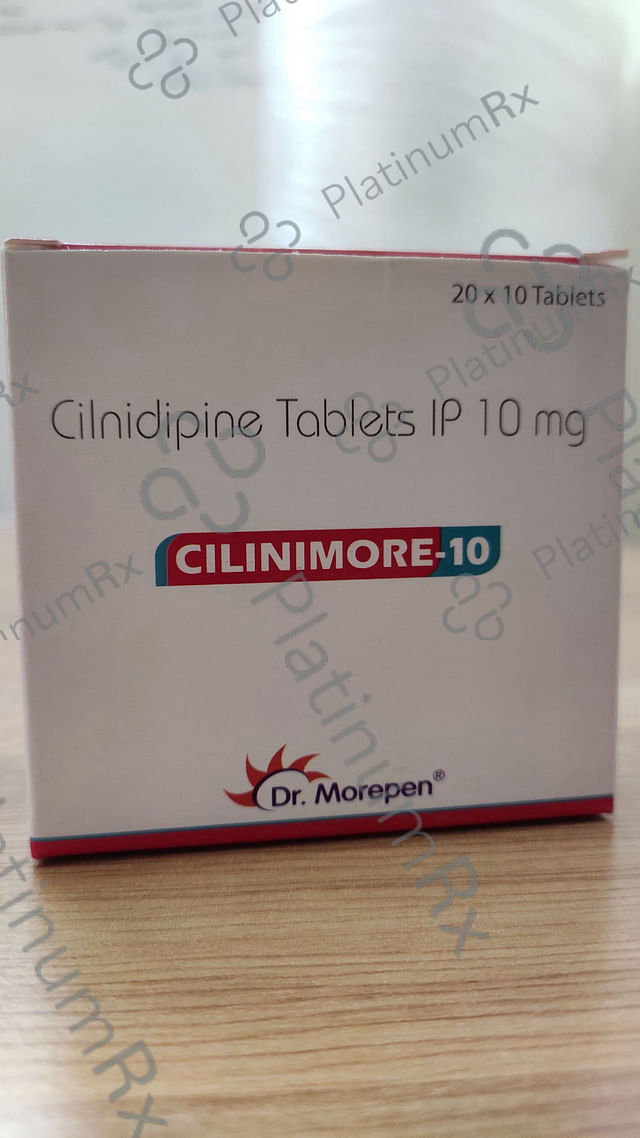
Cindipin 10mg Tablet

Cindipin 10mg Tablet is a modern oral medication belonging to the dihydropyridine class of Calcium Channel Blockers (CCBs). It is used primarily for the treatment of essential hypertension (high blood pressure). Cindipin 10mg Tablet possesses a unique mechanism: it blocks both L-type calcium channels (responsible for vessel constriction) and N-type calcium channels (which modulate sympathetic nerve activity). This dual action provides effective and sustained blood pressure control while offering potential advantages, such as a lower risk of reflex heart rate increase and minimised peripheral swelling, compared to conventional CCBs
Delivery by
...

WHO GMP Certified
Long Expiry (>8 Months)
15 Days Easy Returns
Medicine Comparison

Genuine Medicine
Pay On Delivery
Secure Payment

LegitScript Certified Online Pharmacy

View content in
 English
Quick Summary
Cindipin 10mg Tablet is a modern oral medication belonging to the dihydropyridine class of Calcium Channel Blockers (CCBs). It is used primarily for the treatment of essential hypertension (high blood pressure). Cindipin 10mg Tablet possesses a unique mechanism: it blocks both L-type calcium channels (responsible for vessel constriction) and N-type calcium channels (which modulate sympathetic nerve activity). This dual action provides effective and sustained blood pressure control while offering potential advantages, such as a lower risk of reflex heart rate increase and minimised peripheral swelling, compared to conventional CCBs
Detailed Description
Cindipin 10mg Tablet (Cilnidipine 10mg) is a medicine used to help control high blood pressure. High blood pressure, also called hypertension, can put extra strain on your heart, blood vessels, and kidneys. Lowering blood pressure reduces the risk of serious health problems such as stroke, heart attack, and kidney damage.
This medicine has a distinctive mode of action compared with many other treatments for high blood pressure. It targets two different types of calcium channels in the body. The L-type regulates the contraction of blood vessels, while the N-type influences the nerve signals that can increase blood pressure. By simultaneously blocking both pathways, Cindipin 10mg Tablet promotes relaxation of the blood vessels and reduces excessive nerve activity. This dual effect provides more stable and sustained control of blood pressure, reducing fluctuations and improving overall cardiovascular management.
Cindipin 10mg Tablet causes fewer side effects than some older medicines in the same group. For example, it is less likely to cause ankle swelling or a fast heartbeat, which are common with other calcium channel blockers.
Overall, Cindipin 10mg Tablet is considered a modern option for treating high blood pressure, offering effective control with good safety and comfort for patients
Uses of Cindipin 10mg Tablet
Cindipin 10mg Tablet is indicated for:
Essential Hypertension:
Management of primary high blood pressure in adults.
Hypertension with Co-morbidities:
Often favoured in patients with hypertension who also have chronic kidney disease (CKD) or diabetes, due to its potential renoprotective and anti-proteinuric effects.
Benefits of Cindipin 10mg Tablet
Effective Blood Pressure Control:
Provides sustained 24-hour reduction in both systolic and diastolic blood pressure.
Reduced Sympathetic Activity:
Blocking N-type channels helps counteract the body's natural reflex to raise heart rate when blood pressure drops, offering better cardiac protection.
Lower Risk of Peripheral Oedema:
Due to its venodilatory effect resulting from sympathetic suppression, Cilnidipine is often associated with a lower incidence or severity of ankle swelling compared to other dihydropyridine CCBs.
Potential Renoprotection:
Evidence suggests it may help reduce proteinuria in hypertensive patients with renal damage.
Side Effects of Cindipin 10mg Tablet
When taken as directed, Cindipin 10mg Tablet is generally safe. Side effects are usually mild, temporary, and often relate to its blood vessel-widening effect (vasodilation).
Common Side Effects (Mild and temporary):
- Flushing (warmth or redness in the face or neck)
- Dizziness
- Palpitations (awareness of heartbeat)
- Nausea or stomach discomfort
- Fatigue
Serious Side Effects (Stop taking the medicine and seek urgent medical attention if you experience):
- Severe Allergic Reaction (Anaphylaxis): Rash, intense itching, swelling of the face, throat, or tongue, difficulty breathing, or severe dizziness.
- Severe Hypotension (Low Blood Pressure Crisis): Extreme dizziness, fainting, or inability to stand up.
- Worsening Angina or New Chest Pain: Chest discomfort or pain that is new or getting worse.
- Signs of Liver Damage (Very Rare): Yellowing of the skin or eyes (jaundice), persistent nausea, unexplained fatigue, or pain in the upper right abdomen.
Directions for Use
- Administration: Cindipin 10mg Tablet is taken orally, typically once daily.
- Timing: Take the medication at the same time each day to ensure stable blood drug levels.
- Dosage: The dosage will be determined by a healthcare provider based on the severity of hypertension and individual response. The usual starting dose for adults ranges from 5mg to 10mg once daily, and the maximum recommended daily dose is typically 20mg. Never adjust the dose (including strength or format) of Cindipin 10mg Tablet without medical advice.
- Food: Can be taken with or without food, unless specifically directed otherwise by your physician.
How it works
Cindipin 10mg Tablet functions through a unique dual calcium channel blockade:
- L-type Calcium Channel Blockade: This is the primary antihypertensive mechanism. Cilnidipine binds to L-type channels found on vascular smooth muscle cells. By blocking the influx of calcium ions, it prevents the muscle cells from contracting, resulting in the relaxation and widening of the peripheral arterioles (vasodilation). This decreases systemic vascular resistance and lowers blood pressure.
- N-type Calcium Channel Blockade: This is the distinguishing feature. Cilnidipine also blocks N-type calcium channels located on sympathetic nerve terminals. Blocking these channels inhibits the release of norepinephrine, a potent chemical messenger that causes vasoconstriction and increases heart rate. By suppressing this sympathetic overdrive, Cilnidipine helps prevent reflex tachycardia (the common heart rate increase seen with many CCBs) and reduces the hydrostatic pressure in capillaries, which helps to minimise ankle oedema.
Safety Advice for Cindipin 10mg Tablet

PREGNANCY
CONSULT YOUR DOCTOR
Use is advised only when the potential benefit clearly outweighs the theoretical risk to the unborn child.

BREASTFEEDING
CONSULT YOUR DOCTOR
Not enough data exists regarding the excretion of Cindipin 10mg Tablet into human breast milk. Use only if strictly essential.

DRIVING
CAUTION
May cause dizziness, fatigue, or reduced alertness, especially upon starting treatment. Avoid driving or operating machinery until you know your response to the drug.

LIVER
CAUTION
Since Cindipin 10mg Tablet is extensively metabolised by the liver, patients with hepatic impairment require reduced dosages and close clinical and laboratory monitoring.

KIDNEY
MILD
Generally well-tolerated and may be renoprotective. However, for severe renal failure, careful dosage adjustment may be necessary.

ALCOHOL
CAUTION
Alcohol may enhance the blood pressure-lowering effect of the medication, significantly increasing the risk of symptomatic orthostatic hypotension. Limit intake.
FOOD
SEVERE
Grapefruit and grapefruit juice must be avoided. The drug concentration in the body can drastically increase, leading to a high risk of toxicity and severe hypotension.

LIFESTYLE
CAUTION
Do not stop taking this medication abruptly. Sudden discontinuation may cause dangerous rebound hypertension (a sudden, sharp rise in blood pressure).
Quick Tips for Cindipin 10mg Tablet
- Regular Monitoring: Always check your blood pressure regularly as instructed by your doctor while taking Cindipin 10mg Tablet.
- Postural Change: To minimise dizziness, especially in the morning, stand up slowly when getting out of bed or rising from a chair.
- Avoid Grapefruit: Strictly avoid grapefruit products while on this medication.
- Never Self-Adjust: Do not change your prescribed dosage or stop treatment with Cindipin 10mg Tablet without consulting your healthcare provider.
Storage Advice
- Store Cindipin 10mg Tablet at room temperature, away from excessive heat and moisture.
- Keep the tablets/capsules in their original blister packaging or container.
- Ensure the medicine is kept out of the sight and reach of children and pets.
Drug-Food Interaction
- Grapefruit Juice: Grapefruit and its juice inhibit the CYP3A4 enzyme responsible for metabolising Cindipin 10mg Tablet. This can increase the concentration of the drug in the blood, leading to a higher risk of exaggerated side effects (e.g., severe hypotension, dizziness). Avoid or minimise consumption of grapefruit products while taking Cindipin 10mg Tablet.
Interactions with Other Drugs
- Strong CYP3A4 Inhibitors (e.g., Ketoconazole, Itraconazole, HIV protease inhibitors): Can increase Cindipin 10mg Tablet plasma levels, increasing the risk of adverse effects from Cindipin 10mg Tablet.
- Strong CYP3A4 Inducers (e.g., Rifampin, Phenytoin): Can decrease Cindipin 10mg Tablet plasma levels, reducing the blood pressure-lowering efficacy of Cindipin 10mg Tablet.
- Other Antihypertensives (e.g., Beta-Blockers, ACE Inhibitors, Diuretics): The combination can lead to an additive blood pressure-lowering effect. Close monitoring of blood pressure is necessary when initiating combination therapy with Cindipin 10mg Tablet
Drug-Disease Interactions
- Severe Hypotension (Low Blood Pressure): Cindipin 10mg Tablet is contraindicated or requires extreme caution in patients with existing severe low blood pressure.
- Cardiogenic Shock/Severe Aortic Stenosis: Use with caution, as excessive vasodilation can sometimes worsen these severe cardiovascular conditions.
- Severe Hepatic Impairment: Requires close medical supervision and potential dose reduction.
Daily Dose
The prescribed daily dose will vary. The usual adult starting dose for Cindipin 10mg Tablet is typically 5mg or 10mg once daily. The maintenance dose can range up to a maximum of 20mg once daily, depending on the therapeutic response.
Overdose
An overdose of Cindipin 10mg Tablet is primarily characterised by severe and persistent hypotension (dangerously low blood pressure) and reflex tachycardia. Action Required: Seek immediate emergency medical care. Treatment will focus on stabilising the patient, typically involving monitoring vital signs, administering IV fluids, and potentially vasopressors to manage circulation.
What If You Forget to take Cindipin 10mg Tablet?
If a dose of Cindipin 10mg Tablet is missed, take it as soon as you remember. However, if it is almost time for your next scheduled dose (e.g., within 12 hours), skip the missed dose and resume your regular dosing schedule. Do not double the dose to compensate for a missed one.
FAQ
Fact Box
Therapeutic Class
Antihypertensive Agent
Action Class
Dual L-type and N-type Calcium Channel Blocker
Chemical Class
Dihydropyridine Calcium Channel Blocker (CCB)
Habit Forming
No
Disclaimer
PlatinumRx is committed to providing reliable and accurate information to support informed customer decisions. However, all information made available on the Platform, including product descriptions, comparisons, and other content, is provided solely for general informational purposes. Such information is not intended to diagnose, prevent, treat, or cure any medical condition, nor should it be relied upon as a substitute for professional medical advice, diagnosis, or treatment.

Customers also bought

Health Articles






More Medicines By Manufacturer
More Medicines With Salt
Top Selling Medicines
Top Selling Devices