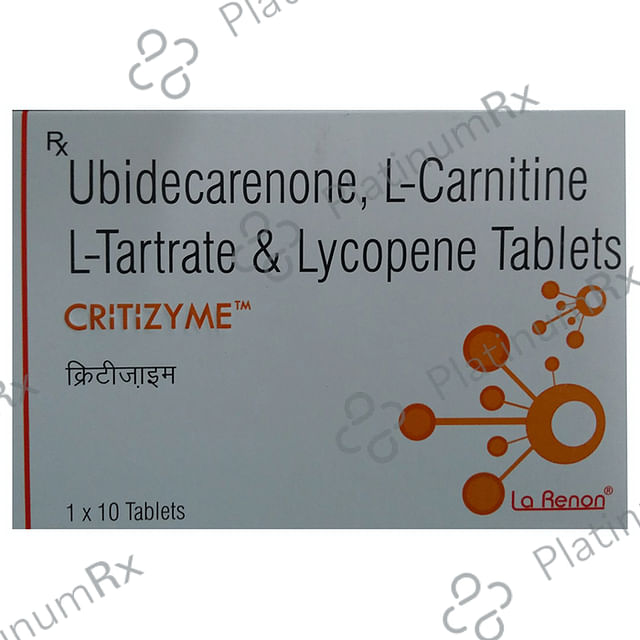
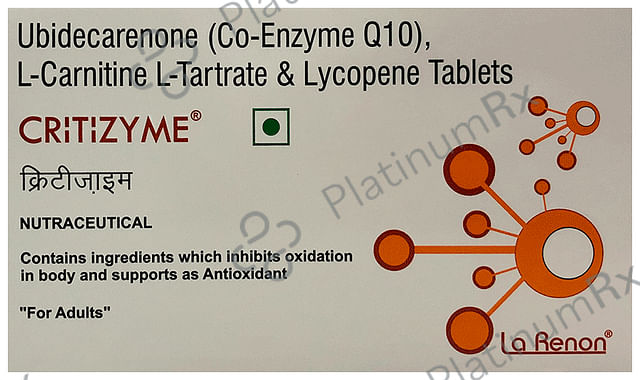
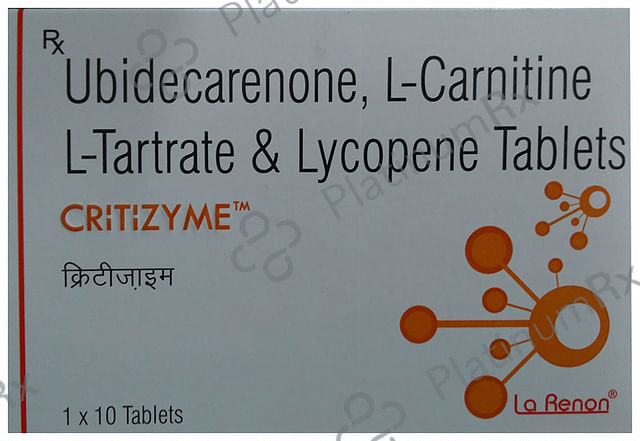
Critizyme Tablet 10s

Critizyme Tablet is a combination of medicines that are used in the treatment of nutritional deficiency. It contains nutritional supplements that are important for maintaining good health. Critizyme Tablet can be taken with food. It should be used in the dose and duration as prescribed by your doctor. It is advised to take this medicine at a fixed time. This medicine should not be taken more than the recommended dose. Some common side effects may include nausea, stomach pain, insomnia (difficulty sleeping), dizziness, and increased sensitivity to light. If these side effects or any other symptoms persist for a longer duration, please consult your doctor. Before taking this medicine, tell your doctor if you have any other health conditions. Inform your doctor if you are taking any other medicines or if you are pregnant or breastfeeding. It is not advised to drive after taking this medicine as it may make you feel dizzy or sleepy and alter your ability to concentrate or react.
Last updated on: 13-04-2024

WHO GMP Certified
Long Expiry (>8 Months)
15 Days Easy Returns
General Information

Genuine Medicine
Pay On Delivery
Secure Payment

LegitScript Certified Online Pharmacy
More About Critizyme Tablet 10s
Quick Summary
Critizyme Tablet is a combination of medicines that are used in the treatment of nutritional deficiency. It contains nutritional supplements that are important for maintaining good health. Critizyme Tablet can be taken with food. It should be used in the dose and duration as prescribed by your doctor. It is advised to take this medicine at a fixed time. This medicine should not be taken more than the recommended dose. Some common side effects may include nausea, stomach pain, insomnia (difficulty sleeping), dizziness, and increased sensitivity to light. If these side effects or any other symptoms persist for a longer duration, please consult your doctor. Before taking this medicine, tell your doctor if you have any other health conditions. Inform your doctor if you are taking any other medicines or if you are pregnant or breastfeeding. It is not advised to drive after taking this medicine as it may make you feel dizzy or sleepy and alter your ability to concentrate or react.
Benefits of Critizyme Tablet 10s
Nutritional deficiencies
In Nutritional deficiencies Critizyme Tablet is a nutritional supplement that is used with other medicines in the treatment of various diseases. It is rich in antioxidants and reduces the risk of heart disease and cancer. Critizyme Tablet helps boost energy and improves body metabolism.
Side Effects of Critizyme Tablet 10s
The majority of side effects typically do not necessitate medical intervention. and disappear as your body adjusts to the medicine. Doctor consultation is advised if they persist or if you're worried about them. ['Nausea, Vomiting, Stomach pain, Heartburn, Rash, Insomnia (difficulty in sleeping), Increased liver enzymes, Dizziness, Tiredness, Irritation, Photosensitivity']
Directions for Use
Follow your doctor's guidance regarding the dose and duration of this medication. Ingest it without breaking or crushing. Do not chew, crush or break it. Critizyme Tablet is to be taken with food.
How it works
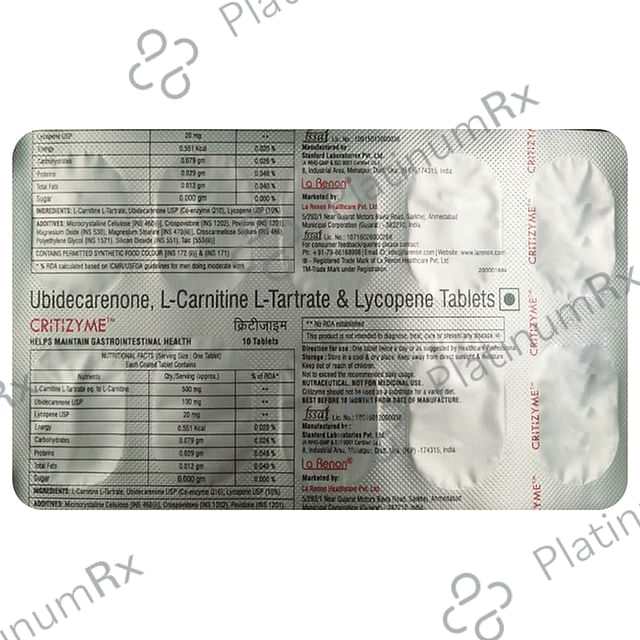
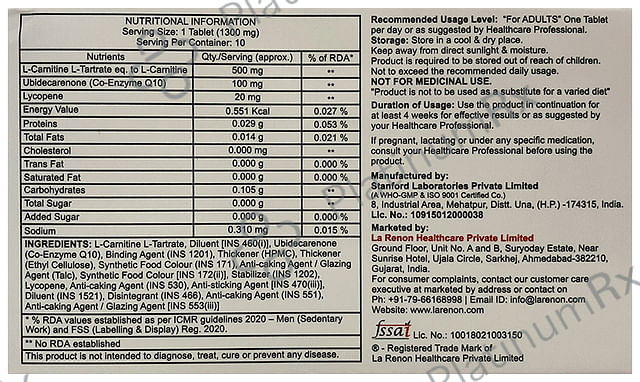
Critizyme Tablet is a combination of three medicines: Coenzyme Q10, Levo-carnitine and Lycopene. Coenzyme Q10 is an antioxidant which protects the body from damage by chemicals (free radicals). Levo-carnitine and Lycopene provide essential nutrients.

Alcohol
Consult your Doctor: Please consult your doctor regarding the safety of consuming alcohol with Critizyme Tablet . Experts have not found evidence of alcohol impairing the effectiveness of the medicine.

Pregnancy
Seek medical advice from your doctor: Information regarding the use of Critizyme Tablet during pregnancy is not available. Doctor consultation is advised.

Breast feeding
Seek medical advice from your doctor: Information regarding the use of Critizyme Tablet during breastfeeding is not available. Doctor consultation is advised.

Driving
Not Safe: Critizyme Tablet may decrease alertness, affect your vision or make you feel sleepy and dizzy. Do not drive if these symptoms occur.

Kidney
Safe when prescribed by an expert: Critizyme Tablet is probably safe to use in patients with kidney disease. Limited data available suggests that dose adjustment of Critizyme Tablet may not be needed in these patients. Doctor consultation is advised.

Liver
Safe when prescribed by an expert: Critizyme Tablet is probably safe to use in patients with liver disease. Limited data available suggests that dose adjustment of Critizyme Tablet may not be needed in these patients. Doctor consultation is advised.
Storage Advice
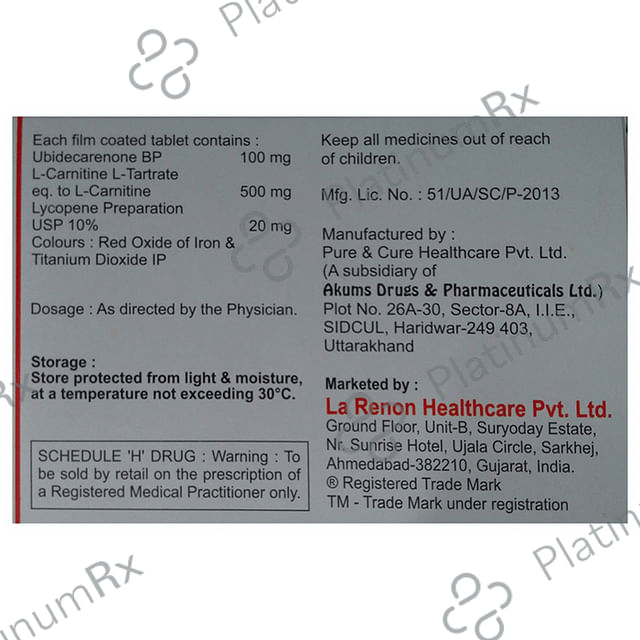
Store in a cool and dry place, and keep the temperature below 30�C
Quick Tips for Critizyme Tablet 10s
Critizyme Tablet is prescribed to fulfill your nutritional requirement and to prevent any related diseases. Let your doctor know if you are taking any other medications like for bone disorders, antihypertensives, antibiotics, or medicines for heart disease. Closely monitor your blood sugar level if you are diabetic. It also might lower blood pressure, so monitor your blood pressure carefully.
Manufacturer Address
Behind Rajpath Club, Kensville Road, Opp. Infostretch Building, Off S.G. Highway, Ahmedabad- 380059, Gujarat- India
Disclaimer
PlatinumRx is committed to providing reliable and accurate information to support informed customer decisions. However, all information made available on the Platform, including product descriptions, comparisons, and other content, is provided solely for general informational purposes. Such information is not intended to diagnose, prevent, treat, or cure any medical condition, nor should it be relied upon as a substitute for professional medical advice, diagnosis, or treatment.

Customers also bought





Health Articles


More Medicines By Manufacturer
Top Selling Medicines
Top Selling Devices