Nactal Tablet

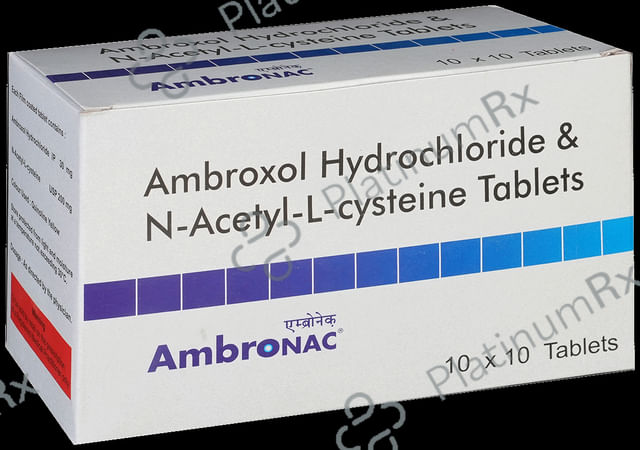
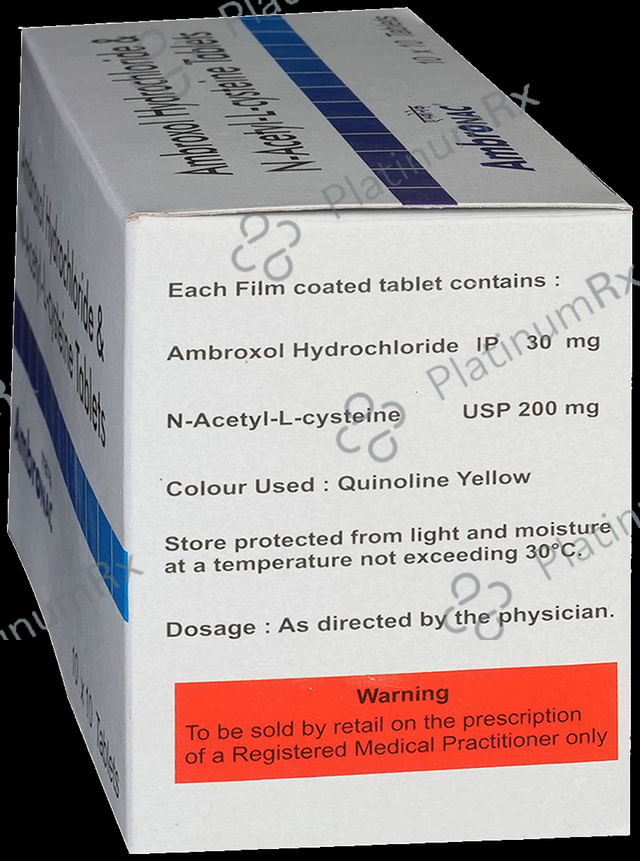
Nactal Tablet contains acetylcysteine (N-acetyl cysteine) and ambroxol, a combination used in the management of respiratory conditions characterised by excessive, thick, or difficult-to-clear mucus. Acetylcysteine breaks down mucus by cleaving disulfide bonds in mucoproteins, while ambroxol stimulates surfactant production and enhances mucociliary clearance. Together they provide complementary mucolytic and expectorant action, making mucus easier to clear from the airways. Always use Nactal Tablet exactly as directed by your doctor.
Written by: Syed Jommy Abbas, B. Pharma
Reviewed by: Dr. Rohit Kolhe, MBBS
Last updated on: 03-06-2026
Delivery by
...

WHO GMP Certified
Long Expiry (>8 Months)
15 Days Easy Returns
Medicine Comparison

Genuine Medicine
Pay On Delivery
Secure Payment

LegitScript Certified Online Pharmacy

More About Nactal Tablet
Quick Summary
Nactal Tablet contains acetylcysteine (N-acetyl cysteine) and ambroxol, a combination used in the management of respiratory conditions characterised by excessive, thick, or difficult-to-clear mucus. Acetylcysteine breaks down mucus by cleaving disulfide bonds in mucoproteins, while ambroxol stimulates surfactant production and enhances mucociliary clearance. Together they provide complementary mucolytic and expectorant action, making mucus easier to clear from the airways. Always use Nactal Tablet exactly as directed by your doctor.
Detailed Description
Nactal Tablet is a two-component mucolytic and expectorant formulation combining the distinct mechanisms of acetylcysteine and ambroxol for comprehensive airway mucus management.
Acetylcysteine (NAC) is a thiol-containing amino acid derivative with direct mucolytic and antioxidant properties. It cleaves the disulfide bonds that cross-link mucus glycoproteins, reducing the viscosity and elasticity of mucus and facilitating its expectoration. Additionally, acetylcysteine is a precursor to glutathione, the principal intracellular antioxidant, and provides cytoprotective benefit to airway epithelial cells exposed to oxidative stress from inflammation and infection.
Ambroxol is a metabolite of bromhexine and a well-established secretolytic and expectorant agent. It stimulates the synthesis and secretion of pulmonary surfactant from type II pneumocytes, which reduces surface tension in the alveoli and small airways, improving lung compliance and facilitating mucus transport. Ambroxol also stimulates serous gland secretion, increases the water content of mucus, and enhances mucociliary activity, improving the efficiency of the mucociliary escalator in clearing mucus from the bronchial tree.
Together these two mechanisms address both the structural viscosity of mucus and its transportability, providing more complete mucolytic benefit than either agent alone.
Uses of Nactal Tablet
The uses of Nactal Tablet are as follows:
Acute and Chronic Bronchitis
Nactal Tablet is used to reduce mucus viscosity and facilitate expectoration in acute and chronic bronchitis.
Chronic Obstructive Pulmonary Disease (COPD)
It helps manage excessive and viscous mucus production in COPD, reducing exacerbation frequency with regular use.
Bronchiectasis
It supports airway clearance in bronchiectasis where chronic mucus accumulation impairs lung function.
Asthma with Mucus Hypersecretion
It is used adjunctively to manage mucus plugging in asthma patients with significant secretion.
Pneumonia and Lower Respiratory Tract Infections
It facilitates clearance of infectious secretions, supporting recovery alongside antibiotic therapy.
Cystic Fibrosis (Adjunctive)
Acetylcysteine-based mucolytics are used as adjunctive therapy in cystic fibrosis to reduce mucus viscosity.
Benefits of Nactal Tablet
Here are the benefits of Nactal Tablet:
- Dual Mucolytic Mechanism: Acetylcysteine reduces mucus viscosity by cleaving disulfide bonds while ambroxol increases mucus water content, providing more complete mucolytic activity than monotherapy.
- Enhances Mucociliary Clearance: Ambroxol stimulates surfactant production and ciliary activity, improving the natural airway clearance mechanism.
- Antioxidant Protection of Airway Epithelium: Acetylcysteine replenishes glutathione, protecting airway cells from oxidative damage during infection and inflammation.
- Reduces Exacerbation Frequency in COPD: Regular use of NAC-based mucolytics is associated with reduced acute exacerbations in COPD patients.
- Supports Recovery from Respiratory Infections: Facilitates clearance of infectious secretions, complementing antibiotic therapy in lower respiratory tract infections.
- Well Tolerated Combination: Both agents have established safety profiles and are generally well tolerated across a broad patient population.
Side Effects of Nactal Tablet
Like all medicines, Nactal Tablet may cause side effects in some individuals.
Common Side Effects
- Nausea: The most frequently reported side effect, particularly with higher doses or when taken on an empty stomach.
- Gastrointestinal Discomfort: Bloating, stomach cramping, or loose stools may occur during early use.
- Unpleasant Taste or Smell: Acetylcysteine has a characteristic sulphurous odour that some patients find unpleasant.
Uncommon Side Effects
- Headache: Mild headache may develop during early treatment.
- Skin Rash: Mild hypersensitivity reactions may occur in sensitive individuals.
- Diarrhoea: Some individuals may experience loose stools, particularly at higher doses.
Serious Side Effects (Require Immediate Medical Attention)
- Severe Allergic Reaction: Swelling of the face, lips, or throat with difficulty breathing requires urgent medical care.
- Bronchospasm: In reactive airway disease, particularly asthma, inhaled acetylcysteine may occasionally trigger bronchospasm. Report any worsening of breathing promptly.
- Significant Gastrointestinal Bleeding: Although rare, abdominal pain with blood in stools requires immediate evaluation.
Always consult your doctor if side effects persist or worsen.
Directions for Use
To ensure safe use:
- Use exactly as prescribed by your doctor.
- Usually taken orally with food to minimise gastrointestinal discomfort.
- Take at the same time each day for consistent benefit.
- Maintain adequate fluid intake during treatment to support mucolytic effectiveness.
- Do not exceed the prescribed dose.
How it works
Nactal Tablet works through two complementary mechanisms that together address the viscosity, hydration, and transportability of airway mucus.
Acetylcysteine contains a free thiol group that directly cleaves the disulfide bonds linking mucus glycoproteins. This reduces the cross-linked polymer network of mucus, decreasing its viscosity and elasticity and making it easier to expectorate. Concurrently, acetylcysteine is deacetylated intracellularly to cysteine, which serves as a substrate for glutathione synthesis. Replenishment of glutathione provides antioxidant protection to airway epithelial cells, reducing oxidative tissue damage from inflammation and infection.
Ambroxol stimulates type II pneumocytes in the alveoli to synthesise and secrete pulmonary surfactant, which reduces alveolar surface tension and improves lung compliance. It also increases serous secretions from bronchial glands, raises the water content of mucus, and stimulates ciliary beat frequency, collectively enhancing mucociliary transport and airway clearance.
Safety Advice for Nactal Tablet

Allergy
Caution
Inform your doctor of any known allergy to acetylcysteine, ambroxol, or bromhexine before use.

Breastfeeding
Limited information
Consult your doctor before use during breastfeeding.

Pregnancy
Limited information
Safety during pregnancy has not been fully established. Use only if specifically advised by a doctor.

Driving
Safe
No significant impairment expected under normal use.

Alcohol
Caution
Alcohol may worsen gastrointestinal side effects and impair respiratory mucociliary function

Liver
Caution
Acetylcysteine is hepatically metabolised. Use carefully in significant hepatic impairment and consult your doctor.

Kidney
Caution
Use carefully in renal impairment as metabolite accumulation may occur. Consult your doctor.

Children
Caution
Both agents are used in children but dosing must be carefully determined by a doctor based on age and weight.

Elderly patients
Safe
Generally well tolerated in elderly patients. Adequate hydration should be maintained to support mucolytic effectiveness.
Quick Tips for Nactal Tablet
A few practical measures can help improve treatment outcomes and ensure safe use of Nactal Tablet:
- Maintain adequate hydration: Drinking sufficient water throughout the day supports the mucolytic action of both agents and facilitates easier expectoration.
- Take with food: Reduces nausea and gastrointestinal discomfort, particularly with acetylcysteine.
- Use with physiotherapy in COPD and bronchiectasis: Airway clearance techniques such as postural drainage alongside mucolytic therapy enhance mucus clearance.
- Report worsening breathlessness: In patients with reactive airway disease, bronchospasm should be reported to your doctor promptly.
- Avoid antitussives during mucolytic therapy: Cough suppressants prevent expectoration of loosened mucus and should not be used concurrently without medical advice.
Storage Advice
Proper storage is important to maintain the stability and effectiveness of Nactal Tablet:
- Store at room temperature: Keep away from heat, moisture, and direct sunlight.
- Keep in original packaging: Protects acetylcysteine from oxidation and light exposure.
- Keep out of reach of children: Store safely to prevent accidental ingestion.
- Check expiry before use: Do not use after the expiry date printed on the packaging.
Drug-Food Interaction
Nactal Tablet may generally be taken without strict dietary restrictions. However:
- Take with food: Reduces gastrointestinal discomfort, particularly with acetylcysteine.
- Maintain adequate fluid intake: Hydration is essential for mucolytic effectiveness and supports easier expectoration of loosened mucus.
- Avoid excessive alcohol: May worsen gastrointestinal side effects and impair respiratory function.
Interactions with Other Drugs
Nactal Tablet may interact with the following medicines:
- Antitussives (Cough Suppressants): Concurrent use prevents expectoration of loosened mucus and may cause mucus accumulation; avoid unless specifically advised.
- Nitroglycerin: Acetylcysteine may potentiate the vasodilatory and antiplatelet effects of nitroglycerin, potentially causing significant hypotension.
- Activated Charcoal: Reduces acetylcysteine absorption when taken simultaneously; separate doses are required in overdose management contexts.
- Antibiotics: Acetylcysteine has been shown to enhance the penetration of certain antibiotics including amoxicillin and cephalosporins into bronchial secretions, potentially improving efficacy in respiratory infections.
Drug-Disease Interactions
Nactal Tablet should be used carefully in the following conditions:
- Bronchial Asthma: Acetylcysteine may occasionally trigger bronchospasm in asthmatic patients, particularly with inhaled formulations. Close monitoring is required.
- Active Peptic Ulcer Disease: Acetylcysteine may irritate gastric mucosa; use with caution in patients with active ulcers.
- Hepatic Impairment: Acetylcysteine metabolism may be impaired, increasing drug exposure. Dose adjustment may be required.
- Phenylketonuria: Some formulations may contain phenylalanine; patients with phenylketonuria should check the excipient list before use.
Daily Dose
Dose and frequency depend on the specific formulation, clinical indication, and the prescribing doctor's recommendation. Usually taken two to three times daily with food as directed by your doctor.
What If You Forget to take Nactal Tablet?
If a dose is missed, take it as soon as remembered. Do not double the dose to make up for a missed one.
FAQ
References
Fact Box
Therapeutic Class
Respiratory / Mucolytic Agent
Action Class
Mucolytic + Secretolytic + Expectorant + Antioxidant
Chemical Class
Thiol Derivative + Benzylamine Metabolite
Habit Forming
No
Disclaimer
PlatinumRx is committed to providing reliable and accurate information to support informed customer decisions. However, all information made available on the Platform, including product descriptions, comparisons, and other content, is provided solely for general informational purposes. Such information is not intended to diagnose, prevent, treat, or cure any medical condition, nor should it be relied upon as a substitute for professional medical advice, diagnosis, or treatment.

Customers also bought

Health Articles


More Medicines By Manufacturer
More Medicines With Salt
Top Selling Medicines
Top Selling Devices