


More About Apamarga + Gojiha + Hajrul Yahood Bhasma + Manjistha + Nagarmusta + Sahadevi + Saxifraga Ligulata + Shilajit + Shilapushpa
Quick Summary
Apamarga + Gojiha + Hajrul Yahood Bhasma + Manjistha + Nagarmusta + Sahadevi + Saxifraga Ligulata + Shilajit + Shilapushpa contains apamarga, gojiha, hajrul yahood bhasma, manjistha, nagarmusta, sahadevi, saxifraga ligulata, shilajit, and shilapushpa, a multi-herb Ayurvedic combination used in the management of urinary calculi and disorders of the urinary tract. These ingredients collectively provide lithotriptic, diuretic, anti-inflammatory, and antioxidant properties to support the dissolution, passage, and prevention of renal and urinary stones. Always use Apamarga + Gojiha + Hajrul Yahood Bhasma + Manjistha + Nagarmusta + Sahadevi + Saxifraga Ligulata + Shilajit + Shilapushpa exactly as directed by your doctor.
Detailed Description
Apamarga + Gojiha + Hajrul Yahood Bhasma + Manjistha + Nagarmusta + Sahadevi + Saxifraga Ligulata + Shilajit + Shilapushpa is a classical Ayurvedic polyherbal and herbo-mineral formulation combining nine ingredients with complementary actions on the urinary system, targeting stone dissolution, urinary tract inflammation, and renal function support.
Apamarga (Achyranthes aspera) has diuretic and lithotriptic properties and is traditionally used to promote the expulsion of urinary calculi. Its saponin and alkaloid constituents increase urine output and reduce crystal aggregation in the renal tubules.
Gojiha (Onosma bracteatum) provides anti-inflammatory and demulcent properties, soothing the urinary tract mucosa irritated by stone passage and reducing associated dysuria and haematuria.
Hajrul Yahood Bhasma is a calcined siliceous mineral preparation derived from fossil stone. It is a classical Ayurvedic lithontriptic used specifically for the dissolution of renal calculi, believed to act by breaking down calcium oxalate and calcium phosphate stone matrices through its silica content and the physicochemical changes induced by the bhasma preparation process.
Manjistha (Rubia cordifolia) is a well-established Ayurvedic herb with anti-inflammatory, antioxidant, and nephroprotective properties. Its anthraquinone and glycoside constituents reduce renal inflammatory responses, protect tubular epithelial cells from oxidative damage, and support the clearance of metabolic waste products through the kidney.
Nagarmusta (Cyperus rotundus) provides diuretic and antispasmodic properties, reducing ureteric and bladder smooth muscle spasm associated with stone passage and improving urinary flow.
Sahadevi (Vernonia cinerea) has diuretic, anti-inflammatory, and analgesic properties traditionally used to relieve urinary tract discomfort and support kidney function in lithiasis.
Saxifraga ligulata (Bergenia ciliata, Pashanbhed) is one of the most widely used Ayurvedic herbs for urinary calculi. Its bergenin and tannin constituents are reported to inhibit calcium oxalate crystal nucleation and aggregation, reduce stone size, and facilitate passage through the urinary tract. It also provides antispasmodic and anti-inflammatory activity in the urinary passage.
Shilajit is a humic mineral exudate containing fulvic acid, dibenzo-alpha-pyrones, and trace minerals. It provides antioxidant, adaptogenic, and nephroprotective properties, supporting renal tubular function, reducing oxidative stress in renal tissue, and improving the overall metabolic environment that predisposes to stone formation.
Shilapushpa (Didymocarpus pedicellata) is a traditional Ayurvedic herb specifically used for renal and vesical calculi. It has reported lithotriptic activity alongside diuretic and anti-inflammatory properties, supporting both stone dissolution and symptomatic relief during treatment.
Together, these nine ingredients provide a comprehensive approach to urinary calculus management through stone dissolution, urine alkalinisation, antispasmodic relief, renal protection, and prevention of crystal nucleation.
Uses of Apamarga + Gojiha + Hajrul Yahood Bhasma + Manjistha + Nagarmusta + Sahadevi + Saxifraga Ligulata + Shilajit + Shilapushpa
The uses of Apamarga + Gojiha + Hajrul Yahood Bhasma + Manjistha + Nagarmusta + Sahadevi + Saxifraga Ligulata + Shilajit + Shilapushpa are as follows:
Renal Calculi (Kidney Stones)
Apamarga + Gojiha + Hajrul Yahood Bhasma + Manjistha + Nagarmusta + Sahadevi + Saxifraga Ligulata + Shilajit + Shilapushpa is used to support the dissolution and expulsion of calcium oxalate, calcium phosphate, and mixed renal calculi.
Ureteric Calculi
Its antispasmodic and diuretic properties facilitate the passage of small ureteric stones and relieve associated colicky pain.
Urinary Tract Infections with Calculi
Anti-inflammatory and demulcent constituents soothe the urinary tract mucosa in infections secondary to stone obstruction.
Dysuria and Haematuria
It relieves burning micturition and blood in urine associated with stone passage and urinary tract irritation.
Prevention of Stone Recurrence
Regular use supports inhibition of calcium oxalate crystal nucleation and aggregation, reducing the risk of new stone formation.
Benefits of Apamarga + Gojiha + Hajrul Yahood Bhasma + Manjistha + Nagarmusta + Sahadevi + Saxifraga Ligulata + Shilajit + Shilapushpa
Here are the benefits of Apamarga + Gojiha + Hajrul Yahood Bhasma + Manjistha + Nagarmusta + Sahadevi + Saxifraga Ligulata + Shilajit + Shilapushpa:
- Lithotriptic Action: Multiple ingredients including hajrul yahood bhasma, saxifraga ligulata, and shilapushpa target the dissolution and fragmentation of urinary calculi through complementary mechanisms.
- Diuretic and Flushing Effect: Apamarga, nagarmusta, and sahadevi increase urinary output, promoting mechanical flushing of stone fragments and crystalline debris from the urinary tract.
- Antispasmodic Relief: Nagarmusta and saxifraga ligulata reduce ureteric and bladder smooth muscle spasm, easing stone passage and reducing colicky pain.
- Nephroprotective Action: Manjistha and shilajit protect renal tubular cells from oxidative and inflammatory damage associated with stone obstruction and passage.
- Crystal Nucleation Inhibition: Saxifraga ligulata and shilajit constituents inhibit the nucleation and aggregation of calcium oxalate crystals, supporting long-term prevention of stone recurrence.
Side Effects of Apamarga + Gojiha + Hajrul Yahood Bhasma + Manjistha + Nagarmusta + Sahadevi + Saxifraga Ligulata + Shilajit + Shilapushpa
Like all medicines, Apamarga + Gojiha + Hajrul Yahood Bhasma + Manjistha + Nagarmusta + Sahadevi + Saxifraga Ligulata + Shilajit + Shilapushpa may cause side effects in some individuals.
Common Side Effects
- Gastrointestinal Discomfort: Mild nausea, bloating, or abdominal discomfort may occur, particularly when taken on an empty stomach.
- Increased Urinary Frequency: The diuretic action of multiple ingredients increases urine output, which may be noticeable, particularly during initial treatment.
- Loose Stools: Some herbal constituents may produce mild laxative effects in sensitive individuals.
Uncommon Side Effects
- Gastric Irritation: Shilajit and tannin-containing herbs may cause gastric irritation or heartburn in sensitive patients.
- Skin Rash: Hypersensitivity reactions to any herbal constituent may produce mild cutaneous reactions.
- Headache: Mild headache may develop during early treatment in some individuals.
Serious Side Effects (Require Immediate Medical Attention)
- Acute Renal Colic: Stone movement stimulated by increased diuresis may cause severe colicky flank pain requiring urgent medical assessment to exclude obstruction.
- Heavy Metal Concerns with Bhasma: Bhasma preparations require quality-assured sourcing; adulterated preparations carry risk of heavy metal toxicity. Use only products from reputable manufacturers.
- Severe Allergic Reaction: Swelling of the face, lips, or throat with difficulty breathing requires urgent medical care.
- Always consult your doctor if side effects persist or worsen.
Directions for Use
To ensure safe use:
- Use exactly as prescribed by your doctor or Ayurvedic practitioner.
- Usually taken orally twice daily with water or as directed.
- Take with or after food to reduce gastrointestinal discomfort.
- Maintain high fluid intake during treatment to support diuresis and stone passage.
- Do not discontinue without consulting your doctor.
How it works
Apamarga + Gojiha + Hajrul Yahood Bhasma + Manjistha + Nagarmusta + Sahadevi + Saxifraga Ligulata + Shilajit + Shilapushpa acts through multiple complementary mechanisms targeting the key processes of urinary stone formation, growth, and retention.
Saxifraga ligulata and shilapushpa inhibit calcium oxalate crystal nucleation by interfering with the aggregation of calcium and oxalate ions at crystal growth sites, reducing stone enlargement and promoting fragmentation of existing calculi. Hajrul yahood bhasma provides a mineral substrate that is believed to interact with stone matrices, facilitating their physical dissolution through silica-mediated ionic exchange.
Apamarga, nagarmusta, and sahadevi increase renal blood flow and glomerular filtration rate, enhancing urinary volume and creating a mechanical flushing effect that carries crystalline debris and small stone fragments through the urinary tract. Nagarmusta and saxifraga ligulata additionally relax ureteric smooth muscle through calcium channel-modulating and antispasmodic mechanisms, widening the functional lumen for stone passage.
Manjistha and shilajit protect renal tubular epithelial cells through antioxidant scavenging of reactive oxygen species generated by stone obstruction and inflammatory cell infiltration. Shilajit's fulvic acid constituents also chelate mineral ions involved in crystal formation, reducing urinary supersaturation. Gojiha and sahadevi soothe inflamed urothelium, reducing the adhesion of crystal aggregates to damaged mucosal surfaces that would otherwise serve as niduses for stone growth.
Safety Advice for Apamarga + Gojiha + Hajrul Yahood Bhasma + Manjistha + Nagarmusta + Sahadevi + Saxifraga Ligulata + Shilajit + Shilapushpa

Allergy
Caution
Inform your doctor of any known allergy to any herbal ingredient in this formulation before use. Patch sensitivity to Ayurvedic herbs may occur in predisposed individuals.

Breastfeeding
Caution
Safety of this combination during breastfeeding has not been established. Use only if specifically advised by a doctor.

Pregnancy
Unsafe
This combination is not recommended during pregnancy. Several constituents have diuretic and uterine-stimulating properties. Consult your doctor immediately if pregnancy is detected during treatment.

Driving
Safe
This combination is not expected to impair driving ability at recommended doses.

Alcohol
Caution
Alcohol dehydrates the urinary tract and may promote stone crystal aggregation. Avoid alcohol during treatment to maximise therapeutic benefit.

Liver
Caution
Use with caution in hepatic impairment. Herbo-mineral preparations including bhasma should only be used under medical supervision in patients with liver disease.

Kidney
Caution
Paradoxically, increased diuresis may exacerbate renal colic in patients with large obstructing stones. Renal function should be monitored during treatment in patients with existing renal impairment.

Children
Limited information
Safety and dosing in children have not been fully established. Use only under the supervision of a qualified Ayurvedic or medical practitioner.

Elderly patients
Caution
Elderly patients may be more susceptible to dehydration from diuretic effects. Adequate fluid intake and monitoring of renal function are advisable.
Quick Tips for Apamarga + Gojiha + Hajrul Yahood Bhasma + Manjistha + Nagarmusta + Sahadevi + Saxifraga Ligulata + Shilajit + Shilapushpa
A few practical measures can help improve treatment outcomes and ensure safe use of Apamarga + Gojiha + Hajrul Yahood Bhasma + Manjistha + Nagarmusta + Sahadevi + Saxifraga Ligulata + Shilajit + Shilapushpa:
- Drink plenty of water: High fluid intake is essential during treatment. Aim for at least two to three litres of water daily to maximise the diuretic flushing effect and facilitate stone passage.
- Use from a quality-assured source: Bhasma preparations require certified manufacturing standards to ensure freedom from heavy metal contamination; always use products from reputable, quality-certified manufacturers.
- Seek urgent review if severe pain develops: Increased diuresis may mobilise stones and trigger acute renal colic; severe unrelenting flank or loin pain requires urgent medical assessment to exclude significant urinary obstruction.
- Combine with dietary modification: Reducing dietary oxalate, sodium, and animal protein intake supports the anti-calculus action of this formulation and reduces the risk of stone recurrence.
- Follow up with imaging: Periodic ultrasound or imaging assessment allows objective monitoring of stone size reduction and guides the duration of treatment.
Storage Advice
Proper storage is important to maintain the stability and effectiveness of Apamarga + Gojiha + Hajrul Yahood Bhasma + Manjistha + Nagarmusta + Sahadevi + Saxifraga Ligulata + Shilajit + Shilapushpa:
- Store at room temperature: Keep away from heat, moisture, and direct sunlight.
- Keep in original packaging: Protects from humidity and contamination.
- Keep out of reach of children: Store safely to prevent accidental ingestion.
- Check expiry before use: Do not use after the expiry date printed on the packaging.
Drug-Food Interaction
Apamarga + Gojiha + Hajrul Yahood Bhasma + Manjistha + Nagarmusta + Sahadevi + Saxifraga Ligulata + Shilajit + Shilapushpa may be affected by dietary habits. The following should be noted:
- Maintain high fluid intake: Water is essential to support diuresis and stone passage; inadequate hydration reduces the therapeutic benefit of this formulation.
- Reduce oxalate-rich foods: Foods high in oxalate such as spinach, nuts, and chocolate increase urinary oxalate load and promote calcium oxalate stone formation; dietary reduction complements treatment.
- Avoid alcohol: Alcohol promotes dehydration and urinary crystal aggregation, counteracting the diuretic and lithotriptic effects of this combination.
Interactions with Other Drugs
Apamarga + Gojiha + Hajrul Yahood Bhasma + Manjistha + Nagarmusta + Sahadevi + Saxifraga Ligulata + Shilajit + Shilapushpa may interact with the following medicines:
- Diuretics: Concurrent use of pharmaceutical diuretics may compound fluid and electrolyte loss, increasing the risk of dehydration and electrolyte imbalance; use under medical supervision.
- Anticoagulants and Antiplatelet Agents: Some constituents including manjistha may potentiate anticoagulant effects; monitor clotting parameters if concurrent use is required.
- Antihypertensives: Enhanced diuresis may compound blood pressure lowering in patients on antihypertensive medicines; blood pressure monitoring is advisable.
- Lithium: Diuretic herbs may reduce lithium excretion or alter renal lithium handling; concurrent use requires medical review and lithium level monitoring.
- Nephrotoxic Medicines: Concurrent use of nephrotoxic drugs alongside this combination requires careful renal function monitoring to prevent compounded renal injury.
Drug-Disease Interactions
Apamarga + Gojiha + Hajrul Yahood Bhasma + Manjistha + Nagarmusta + Sahadevi + Saxifraga Ligulata + Shilajit + Shilapushpa should be used carefully in the following conditions:
- Large Obstructing Renal or Ureteric Calculi: Increased diuresis in the presence of a large obstructing stone may precipitate acute renal colic or hydronephrosis; urological assessment is essential before initiating treatment.
- Chronic Kidney Disease: Diuretic herbs may alter fluid and electrolyte balance in patients with significant renal impairment; use under close medical supervision with regular monitoring.
- Hyperuricaemia and Uric Acid Stones: This combination is primarily indicated for calcium-based stones; uric acid calculi may require specific uricosuric or urine alkalinising treatment in addition.
- Urinary Tract Obstruction: Active urinary tract obstruction requires urological evaluation before medical lithotriptic treatment is commenced.
- Bleeding Disorders: Some herbal constituents may have mild antiplatelet effects; use with caution in patients with coagulation disorders or those on anticoagulant therapy.
Daily Dose
Usually taken twice daily with water and food as directed by your doctor or Ayurvedic practitioner. Adequate hydration with a minimum of two to three litres of water daily is essential during the course of treatment. Duration depends on stone size, clinical response, and radiological assessment.
What If You Forget to take Apamarga + Gojiha + Hajrul Yahood Bhasma + Manjistha + Nagarmusta + Sahadevi + Saxifraga Ligulata + Shilajit + Shilapushpa?
If a dose is missed, take it as soon as remembered. Do not double the dose to make up for a missed one. Maintain the regular schedule thereafter.
References
Fact Box
Therapeutic Class
Urological Care / Anti-Calculus Formulation
Action Class
Lithotriptic, Antiurolithic, and Plant-Derived Diuretic
Chemical Class
Polyherbal Extracts + Purified Mineral Bhasmas
Habit Forming
No
Checkout Editorial Policy
Related Medications

Apamarga 48mg + Gojiha 48mg + Hajrul Yahood Bhasma 48mg + Manjistha 48mg + Nagarmusta 48mg + Sahadevi 48mg + Saxifraga Ligulata 147mg + Shilajit 39mg + Shilapushpa 195mg
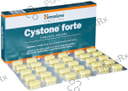
₹130.4
MRP ₹159