


More About Azelaic Acid
Quick Summary
Azelaic Acid contains Azelaic Acid, a naturally occurring dicarboxylic acid used as a prescription topical treatment. It is primarily used to treat mild-to-moderate inflammatory acne and the inflammatory papules and pustules of rosacea. It works by reducing the growth of acne-causing bacteria and keeping skin pores clear.
Detailed Description
Azelaic Acid (Azelaic Acid) is a topical medicine used to treat acne, rosacea, and certain types of skin discolouration. It reduces the growth of acne‑causing bacteria, calms inflammation, and helps prevent pores from becoming blocked. By lowering keratin buildup in the skin, it decreases the chance of new breakouts. Although Azelaic Acid is found naturally in grains such as wheat and barley, the medical form is made synthetically to ensure consistent strength and quality. In some cases, doctors may prescribe an oral version when topical treatment alone is not enough.
The topical form is usually applied to clean, dry skin twice a day, in the morning and evening. The exact schedule depends on the patient’s skin type, condition, and other treatments being used. Results are not immediate, and it often takes several weeks before improvement is noticeable. People with sensitive skin may need to start with less frequent use, and those with asthma should be cautious, as rare cases of worsening asthma symptoms have been reported. Oral supplements are taken only under medical supervision, usually once daily with food, and are reserved for situations where topical therapy is not sufficient.
Although Azelaic Acid does not provide quick results, it is an important option for long‑term skin care. By reducing bacteria, calming redness, and supporting normal skin renewal, it helps control symptoms and lowers the chance of future flare‑ups. With steady use, patients often see clearer skin and an overall improvement in appearance, making it a reliable treatment for chronic skin conditions.
Uses of Azelaic Acid
Azelaic Acid is typically indicated by a doctor for:
Acne Vulgaris
To treat mild-to-moderate inflammatory acne and reduce the formation of comedones (blackheads and whiteheads).
Inflammatory Rosacea
To reduce the redness, bumps, and pimples caused by rosacea.
Hyperpigmentation
Occasionally used off-label to treat post-inflammatory hyperpigmentation and melasma due to its ability to inhibit melanin production.
Skin Inflammation
To provide a soothing effect on inflamed skin tissues associated with bacterial overgrowth.
Benefits of Azelaic Acid
Azelaic Acid provides benefits such as:
- Reduces Acne Bacteria: Directly inhibits the growth of bacteria that cause inflammatory acne.
- Clears Pores: Helps normalise the shedding of skin cells, preventing the blockage of pores that leads to pimples.
- Reduces Redness: Calms inflammation and diminishes the visible redness associated with rosacea.
- Evens Skin Tone: Helps fade dark spots and post-acne marks by inhibiting tyrosinase, the enzyme responsible for melanin production.
- Gentle Exfoliation: Promotes a smoother skin texture without the harshness associated with some other acid treatments.
- Promotes Long-Term Clarity: When used consistently under medical supervision, it helps maintain a breakout-free complexion.
Side Effects of Azelaic Acid
Azelaic Acid may cause side effects, although not everyone will experience them. Most reactions are mild and temporary, but some can be more serious and require medical attention.
Common Side Effects
- These are frequently reported and usually mild to moderate:
- Burning or stinging sensation, often felt right after application
- Dryness and peeling, linked to its exfoliating action on the skin
- Redness (erythema), temporary irritation especially in sensitive skin
- Itching or tingling, mild discomfort that usually settles with continued use
- Skin tightness, associated with moisture loss
Uncommon Side Effects
- Less frequent but possible:
- Flaking or scaling of skin, beyond mild peeling
- Swelling or puffiness, usually localised and mild
- Hypopigmentation (skin lightening), rare but more likely in darker skin tones
- Worsening of asthma symptoms, reported in some patients
- Temporary acne flare‑up (purging), skin may worsen before improving
Serious Side Effects
- These require medical attention and are rare:
- Severe allergic reaction, such as hives, rash, or allergic dermatitis
- Crusting or pronounced redness, irritation that does not improve
- Difficulty breathing or chest tightness, especially in people with asthma
- Trouble swallowing or swelling of the face or throat, signs of a serious allergic response
- Noticeable changes in skin colour, including significant hypopigmentation or uneven patches
Directions for Use
Azelaic Acid is most often prescribed as a topical treatment (creams, gels, or foams) designed to calm inflammation, reduce acne, and ease rosacea symptoms. There is also a prescription‑only oral supplement, but topical application remains the preferred route for direct skin benefits.
Topical Forms (Creams, Gels, Foams)
- Wash the affected area with a mild cleanser and gently pat dry.
- Apply a thin, pea‑sized layer of Azelaic Acid evenly over the skin, avoiding the eyes, lips, and any broken or irritated areas.
- Use once or twice daily as directed by your doctor. For sensitive skin, start with every other day and increase gradually.
- Follow with a moisturiser to reduce dryness. If applied in the morning, always use sunscreen afterwards.
Improvements in acne or rosacea may take several weeks, so consistent use is important.
Oral Supplement
- Take only as prescribed by your doctor.
- Usually taken once daily with food to improve absorption and reduce stomach upset.
- Swallow whole with water. Do not crush or chew unless advised.
- Try to take it at the same time each day for steady results.
How it works
Azelaic Acid (Azelaic Acid) acts through several complementary pathways to improve acne, rosacea, and certain pigmentation problems.
Fights bacteria: Azelaic Acid slows down acne‑causing bacteria like Cutibacterium acnes and Staphylococcus epidermidis. With fewer bacteria, pores are less likely to get clogged and infected.
Reduces inflammation: It calms the skin by lowering substances that cause redness, swelling, and irritation. This is especially helpful for people with rosacea.
Regulation of skin cell turnover: Azelaic Acid helps control how skin cells grow and shed. Too much keratin can block pores, so keeping this process normal prevents breakouts.
Lightens dark spots: It blocks an enzyme called tyrosinase, which makes melanin (the pigment that gives skin its colour). By slowing melanin production, it can fade dark patches from acne or conditions like melasma.
Safety Advice for Azelaic Acid

Pregnancy
Caution
This medication should be used during pregnancy only if clearly needed. Animal studies have not shown harm, but human data are limited.

Breastfeeding
Caution
It is unknown if azelaic acid is excreted in human milk in significant amounts. Use with caution and avoid application to the breast area.

Driving
Safe
Topical application does not affect coordination or alertness. Normal driving ability is unaffected.

Liver
Safe
Because systemic absorption of topical azelaic acid is very low, there is no known interaction with liver function.

Kidney
Caution
Patients with severe kidney disease should inform their doctor, although systemic absorption is minimal.

Alcohol
Unsafe
Alcohol consumption can trigger rosacea flares in some individuals, potentially counteracting the benefits of the medication.
Quick Tips for Azelaic Acid
- If you have very sensitive skin, your doctor may suggest using the medication once daily for the first week to allow your skin to adjust.
- Use a broad-spectrum sunscreen during the day, as azelaic acid can make your skin more sensitive to environmental factors.
- Avoid using abrasive cleansers, alcohol-based toners, or harsh "scrubs" while using this treatment to prevent excessive irritation.
Storage Advice
Store at room temperature (20°C to 25°C) in a dry place. Do not freeze. Keep the tube or container tightly closed when not in use and keep out of the reach of children.
Drug-Food Interaction
Food does not typically interfere with topical absorption, but dietary choices affect the underlying skin conditions.
- Spicy Foods (CAUTION): If you are treating rosacea, spicy foods can cause flushing and redness, making the medication appear less effective.
- Hot Beverages (CAUTION): Very hot drinks can trigger rosacea symptoms.
- Alcohol (MODERATE): Alcohol is a known vasodilator that can worsen skin redness and inflammatory response in rosacea patients.
Interactions with Other Drugs
Azelaic Acid has limited systemic absorption, but interactions with other topical agents can occur.
- Topical Retinoids or Benzoyl Peroxide (CONSULT YOUR DOCTOR): Using multiple irritating topical agents at the same time can increase skin dryness and peeling. Your doctor may suggest staggering applications.
- Oral Medications (NO INTERACTION): No significant interactions have been established between topical azelaic acid and oral medications.
- Cosmetics and Medicated Cleansers (CAUTION): Products containing high concentrations of alcohol, lime, or astringents may cause a severe stinging sensation when combined with azelaic acid.
Drug-Disease Interactions
Certain health conditions may change how Azelaic Acid works or is tolerated.
- Asthma (CONSULT YOUR DOCTOR): There have been rare reports of azelaic acid causing a worsening of asthma symptoms. Notify your doctor if you have a history of asthma.
- Eczema/Dermatitis (CAUTION): Patients with highly reactive or broken skin may experience severe stinging or burning upon application.
- Darker Skin Tones (CAUTION): While effective for hyperpigmentation, there is a small risk of hypopigmentation (unwanted skin lightening). Monitor skin tone changes.
Overdose
Topical overdose (applying too much) is likely to result in severe skin irritation, redness, and peeling. If the medication is accidentally swallowed, seek medical attention immediately. Contact your doctor if you experience an extreme skin reaction.
What If You Forget to take Azelaic Acid?
Missing a dose once in a while will not undo progress, but regular use is important for the best results. If you miss doses often, improvement may take longer. When in doubt, follow your doctor’s instructions or ask a pharmacist for guidance.
Fact Box
Therapeutic Class
Antibacterial, Keratolytic, and Anti-inflammatory
Action Class
Dermatological / Anti-acne / Anti-rosacea
Chemical Class
Dicarboxylic acid
Habit Forming
No
Checkout Editorial Policy
Related Medications

Azelaic Acid 20% w/w
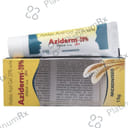
₹328.1
₹153.5
MRP ₹279
Azelaic Acid 20% w/w
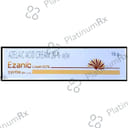
₹293.4
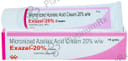
₹173.5
MRP ₹211.6
Azelaic Acid 20% w/w
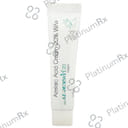
₹239
₹173.5
MRP ₹211.6
Azelaic Acid 20% w/w
₹185.6
₹173.5
MRP ₹211.6
Azelaic Acid 15% w/w
₹210.9
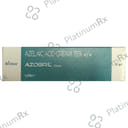
₹299.3
MRP ₹365
Azelaic Acid 15% w/w
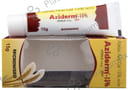
₹260.6
MRP ₹317.8
Azelaic Acid 20% w/w
₹276.6
₹153.5
MRP ₹279
Azelaic Acid 15% w/w
₹299.3
MRP ₹365
Azelaic Acid 20% w/w
₹347.8
₹173.5
MRP ₹211.6
Azelaic Acid 10% w/w
₹184.7
₹203
MRP ₹247.5
Azelaic Acid 20% w/w

₹315
₹173.5
MRP ₹211.6
Azelaic Acid 20% w/w
₹135
₹173.5
MRP ₹211.6
Azelaic Acid 10% w/w
₹186.6
₹203
MRP ₹247.5
Azelaic acid and glycolic acid.
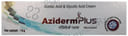
₹310.8
MRP ₹379
Azelaic Acid 20% w/w
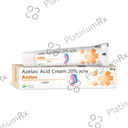
₹285
₹173.5
MRP ₹211.6
Azelaic Acid 20% w/w
₹160.2
MRP ₹267
Azelaic acid and glycolic acid.
₹533
MRP ₹650
Azelaic Acid 10% w/w
₹280
₹203
MRP ₹247.5
Azelaic Acid 20% w/w
₹153.5
MRP ₹279
Azelaic Acid 15% w/w
₹192.2
₹299.3
MRP ₹365
Azelaic Acid 15% w/w
₹195.9
₹299.3
MRP ₹365
Azelaic Acid 20% w/w
₹217.5
₹173.5
MRP ₹211.6
Azelaic Acid 10% w/w
₹295

Azelaic Acid 2.5% w/w
₹105
Azelaic Acid 2.5% w/w
₹186.9