


More About Benfotiamine
Quick Summary
Benfotiamine is a specially modified form of thiamine (vitamin B1, also spelled thiamin). The body turns it into active vitamin B1, which nerve cells need to make energy from sugar. Benfotiamine is mainly used to manage nerve damage caused by diabetes (diabetic neuropathy). This damage can cause tingling, burning pain or numbness in the feet and legs. Doctors may also use it to correct low vitamin B1 levels. In the gut, it is changed into a form that passes easily through the gut wall. This means the body absorbs it much better than ordinary water-soluble thiamine salts. It works best alongside good blood sugar control and regular diabetes care.
Detailed Description
Benfotiamine is a man-made form of vitamin B1. Plain thiamine dissolves in water, and the gut absorbs only a limited amount of it. In the gut, Benfotiamine is changed into a form that passes easily through the gut wall, so more vitamin B1 gets into the body. The body then turns it into thiamine, and then into thiamine diphosphate. Thiamine diphosphate is the active form that cells use.
Vitamin B1 helps cells make energy from food. It also helps nerves carry signals and helps keep the protective coating around nerves healthy. In people with diabetes, high blood sugar sets off harmful chemical processes inside nerve and blood vessel cells. Laboratory research shows that Benfotiamine can block three of these damaging processes by boosting an enzyme called transketolase.
The main use of Benfotiamine is diabetic polyneuropathy. This is nerve damage that usually starts in the feet and causes pain, tingling and numbness. Expert reviews group Benfotiamine with alpha-lipoic acid as treatments aimed at the cause of the nerve damage, not just the pain. In a small 6-week study, people with diabetic nerve damage who completed treatment with Benfotiamine had better nerve symptom scores than those who took a dummy pill. However, the result was weaker when everyone who joined the study was counted. More studies are needed to confirm its benefits.
Benfotiamine may also be used when the body is short of vitamin B1. This can happen with heavy alcohol use, dialysis or high doses of water pills. A severe shortage of vitamin B1 can lead to beriberi, a deficiency disease that can damage the nerves and heart. It can also lead to Wernicke encephalopathy, a sudden brain disorder that causes confusion, unsteady walking and abnormal eye movements. A severe or emergency shortage needs urgent hospital treatment, which usually includes thiamine given as an injection.
Benfotiamine does not lower blood sugar and does not replace diabetes medicines. Good blood sugar control remains the base of nerve care in diabetes. Your doctor will decide how long you need Benfotiamine.
Benefits of Benfotiamine
- Better absorption than ordinary vitamin B1 - In the gut, Benfotiamine is changed into a form that passes easily through the gut wall. As a result, it is absorbed much better than water-soluble thiamine salts.
- Targets a cause of diabetic nerve damage - Benfotiamine works on the harmful sugar-related processes inside cells, not just on pain.
- Relief of nerve symptoms - In a small 6-week study, people who completed treatment reported fewer nerve symptoms, especially pain, than those on a dummy pill. Larger studies are still needed.
- Restores vitamin B1 levels - Benfotiamine replaces missing vitamin B1 in people who are short of it, such as people who drink heavily or are on dialysis.
- Generally well tolerated - In studies, side effects were about as common with Benfotiamine as with a dummy pill.
Side Effects of Benfotiamine
Most people tolerate Benfotiamine well. In clinical studies, side effects were about as common and as mild as with a dummy pill. Serious side effects are rare.
Common Side Effects (Usually Mild)
- Mild stomach upset, such as nausea, stomach discomfort or loose stools
- Mild skin itching or rash
- Small rise in a liver enzyme (ALT) on a blood test, usually without symptoms
- Small increase in white blood cells on a urine test, found only on testing
Serious Side Effects (Seek Urgent Medical Attention)
- Signs of liver trouble, such as yellowing of the skin or eyes, dark urine, or pain in the upper right side of the belly
- Signs of a serious allergic reaction, such as a skin rash with swelling of the face, lips or tongue, or difficulty breathing
Directions for Use
- Take Benfotiamine exactly as your doctor has prescribed, at the same time or times each day.
- Swallow the tablet or capsule whole with a glass of plain water. Do not crush, chew or break it unless your doctor or pharmacist says you can.
- You can take it with or without food. Many people find it easier to remember with a meal. Whichever you choose, take it the same way every day.
- If your doctor has prescribed it twice a day, space the doses evenly, for example after breakfast and after dinner.
- Nerve symptoms improve slowly. Keep taking it for the full course your doctor has advised, even if you do not notice a change early on.
- Keep taking your diabetes medicines and following your diet plan. Benfotiamine works alongside them and does not replace them.
How it works
Benfotiamine is a "prodrug". This means it is not active when you swallow it, and the body has to change it into its working form. In the gut, enzymes remove a phosphate group to form S-benzoylthiamine. This form dissolves in fat and passes easily through the gut wall. Enzymes in the blood and liver then release thiamine, and inside cells thiamine becomes thiamine diphosphate. This active form helps key enzymes (pyruvate dehydrogenase, alpha-ketoglutarate dehydrogenase and transketolase) turn sugar into energy.
When blood sugar stays high, cells fill up with sugar breakdown products. These build-ups feed three harmful chemical processes. The first makes sticky sugar-protein compounds called advanced glycation end products (AGEs). The second switches on a stress signal called protein kinase C. The third is the hexosamine pathway, a side route of sugar breakdown that changes how proteins work inside the cell. Together, these processes damage small blood vessels and nerves.
Thiamine diphosphate helps transketolase, an enzyme that works like a chemical worker inside cells. When Benfotiamine raises transketolase activity, the enzyme moves the extra sugar breakdown products onto a safer route. This cuts the fuel for all three harmful processes. It also calms a switch called NF-kappaB, which drives swelling and irritation inside tissues (inflammation). In laboratory research, this action protected the eyes of diabetic animals from damage. Researchers think a similar effect may help protect nerves from damage caused by diabetes.
Safety Advice for Benfotiamine

Pregnancy
Limited information
The body needs more vitamin B1 during pregnancy, but Benfotiamine has not been well studied in pregnant women. Take it only if your doctor advises it.

Breastfeeding
Limited information
The body also needs more vitamin B1 during breastfeeding, and a breastfed baby can become short of thiamine if the mother is short of it. Benfotiamine has not been well studied in nursing mothers, so use it only on your doctor's advice.

Alcohol
Limited information
Heavy drinking makes it hard for the body to absorb vitamin B1 and can lead to a serious shortage. Limit or avoid alcohol, and talk to your doctor if you find it hard to cut down.

Driving
Limited information
Benfotiamine is not known to cause drowsiness or affect alertness. Take extra care if nerve damage has reduced the feeling in your feet.

Kidney
Limited information
Tell your doctor if you have kidney disease or are on dialysis. Dialysis can lower vitamin B1 levels, and your doctor will decide the right dose.

Liver
Limited information
Tell your doctor if you have liver disease. A rise in a liver enzyme has been reported with Benfotiamine, so your doctor may check your liver blood tests.

Children
Limited information
Benfotiamine has mainly been studied in adults. Give it to a child only if a doctor prescribes it.

Elderly patients
Limited information
Usually used in the same way as in younger adults. Older people should tell their doctor about all the medicines they take and about any kidney or liver problems.
Quick Tips for Benfotiamine
- Take Benfotiamine at the same time each day so that you do not miss doses.
- Be patient. Nerve symptoms such as tingling and burning often take a few weeks to ease.
- Keep your blood sugar in your target range, because high blood sugar keeps damaging nerves.
- Check your feet every day for cuts, blisters or sores, because numb feet may not feel an injury.
- Cut down on alcohol, because it drains your body's vitamin B1.
- Check the labels of your other medicines and supplements. Many B-complex products already contain vitamin B1, so ask your pharmacist before taking them together.
- Go for liver blood tests if your doctor asks you to.
Storage Advice
- Store at room temperature, below 30°C (86°F), or as printed on the pack.
- Keep it in the original pack, away from direct sunlight, heat and moisture. Do not store it in the bathroom.
- Keep it out of the reach and sight of children and pets.
- Do not use it after the expiry date. Ask your pharmacist how to throw away unused medicine safely.
Drug-Food Interaction
- Alcohol - Heavy drinking reduces how much vitamin B1 the body absorbs and is a common cause of vitamin B1 shortage. Drinking works against the purpose of taking Benfotiamine.
- Meals - You can take Benfotiamine with or without food. Keep your routine the same every day.
- Thiamine-rich foods - Whole grains, legumes, nuts and meat naturally contain vitamin B1. Polished rice and highly processed grains contain very little. A balanced diet that suits your diabetes plan adds to the vitamin B1 you get from Benfotiamine.
- Tea, coffee, betel nut and raw fish - Very large amounts of tea or coffee, chewing betel nut, and eating raw fish or shellfish can break down or block vitamin B1. Have them in moderation, and eat fish cooked.
Interactions with Other Drugs
- Diuretics (water pills, such as furosemide) - High doses of water pills can make the body lose vitamin B1. This is one reason a doctor may prescribe Benfotiamine. Do not stop or change your water pills on your own.
- Other vitamin B1 or B-complex products - Many multivitamins and nerve tablets already contain thiamine or Benfotiamine. Taking several of them together doubles up on the same vitamin, so check with your pharmacist.
- Other nerve treatments (such as alpha-lipoic acid) - These are often used alongside Benfotiamine for diabetic nerve damage. Take such combinations only as your doctor directs.
- Diabetes medicines - Benfotiamine does not lower blood sugar, so keep taking your diabetes medicines exactly as prescribed.
Always tell your doctor and pharmacist about every medicine, supplement and herbal product you use.
Drug-Disease Interactions
- Liver disease - A rise in the liver enzyme ALT has been reported with Benfotiamine. If you already have liver problems, your doctor may check your liver blood tests more closely.
- Kidney disease and dialysis - Dialysis can lower vitamin B1 levels. Your doctor will decide how Benfotiamine fits into your kidney care plan.
- Heavy alcohol use - Alcohol use disorder is a major cause of vitamin B1 shortage. Sudden confusion, unsteady walking or unusual eye movements can be signs of Wernicke encephalopathy. This is a brain emergency that needs urgent hospital care, not tablets alone.
- Diabetes - Benfotiamine supports nerve health but does not treat diabetes itself. If blood sugar stays poorly controlled, nerve damage can keep getting worse.
- Allergy - Do not take Benfotiamine if you have had an allergic reaction to it or to any other form of thiamine.
Daily Dose
Your doctor will decide your dose and how often you take it. This depends on your condition and the strength of your tablet or capsule. It is usually taken once or twice a day. In a research study of diabetic nerve damage, adults took 300 mg or 600 mg a day for 6 weeks. These were study doses, not a recommendation for you. If you are taking it for a vitamin B1 shortage, your doctor will decide the dose based on how severe the shortage is. Do not take more than your doctor has prescribed. Do not change the dose or stop treatment on your own, even if your symptoms improve.
Overdose
Vitamin B1 taken by mouth is not known to cause serious poisoning, but there is little information on overdose of Benfotiamine. In a study of healthy adults, single doses of up to 1200 mg of Benfotiamine were well tolerated. Even so, contact a doctor or go to the nearest emergency department straight away if someone has taken much more than prescribed, or if a child has swallowed the tablets. Take the medicine pack with you. Get urgent help for any unusual symptoms, such as a rash, swelling, difficulty breathing or severe stomach upset.
What If You Forget to take Benfotiamine?
- If you miss a dose, take it as soon as you remember.
- If it is almost time for your next dose, skip the missed dose and take the next one at the usual time.
- Never take two doses at once to make up for a missed one.
- A phone alarm, or taking your dose with the same meal each day, can help you remember.
When to contact doctor
Contact your doctor or seek emergency care if you notice:
- Yellowing of the skin or eyes, dark urine, or pain in the upper right side of the belly
- Skin rash, itching, or swelling of the face, lips or tongue
- Difficulty breathing or tightness in the chest
- Sudden confusion, memory loss, unsteady walking or unusual eye movements, especially if you drink alcohol heavily
- Shortness of breath, waking up at night breathless, a fast heartbeat or swelling in both legs (these can be signs that a severe vitamin B1 shortage is affecting the heart)
- A new cut, sore, blister or infection on your feet
- Nerve pain, numbness or weakness that keeps getting worse despite treatment
References
Fact Box
Therapeutic Class
Vitamins and nutritional supplements (vitamin B1 derivative)
Action Class
Thiamine prodrug (S-acyl derivative); thiamine diphosphate precursor / transketolase activator
Chemical Class
Thiamine (vitamin B1) derivative, S-acyl thiamine analogue
Habit Forming
No
Checkout Editorial Policy
Related Medications

Benfotiamine 100mg
₹120
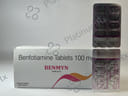
₹70.3
MRP ₹140.6
Benfotiamine 100mg

₹143.2
₹70.3
MRP ₹140.6
Benfotiamine 300mg + Vitamin B12 (Methylcobalamin) 1500mcg

₹291.3
MRP ₹355.2
Benfotiamine 100mg
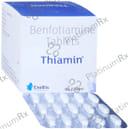
₹231.6
₹70.3
MRP ₹140.6
Benfotiamine 100mg + Vitamin B12 (Methylcobalamin) 500mcg + Vitamin B6 (Pyridoxine) 50mg
₹170.6
₹117
MRP ₹142.7
Benfotiamine 100mg + Vitamin B12 (Methylcobalamin) 500mcg + Vitamin B6 (Pyridoxine) 50mg
₹117
MRP ₹142.7
Benfotiamine 100mg

₹118
₹70.3
MRP ₹140.6
Benfotiamine 100mg
₹70.3
MRP ₹140.6
Benfotiamine 100mg
₹143
₹70.3
MRP ₹140.6
Benfotiamine 150mg
₹170

Benfotiamine 150mg
₹96.5
Benfotiamine 150mg
₹179.9
Benfotiamine 100mg
₹185.1
Benfotiamine 150mg
₹230
Benfotiamine 150mg
₹110
Benfotiamine 75mg + Metformin 500mg
MRP ₹90
Benfotiamine 75mg + Metformin 500mg
MRP ₹129
Benfotiamine 75mg + Metformin 500mg
MRP ₹85
Alpha Lipoic Acid + Benfotiamine + L-Arginine
₹105
Benfotiamine + Folic Acid + Methylcobalamin + Pyridoxine Hydrochloride.

₹143.9
Benfotiamine + Lecithin + Niacinamide + Pyridoxine Hydrochloride + Silymarin + Vitamin B12
₹95
Alpha lipoic acid + Benfotiamine + Folic acid + Methylcobalmin + Pyridoxin chromium
₹211
Alpha Lipoic acid + Benfotiamine + Chromium + Folic acid + Inositol + Methylcobalamin + Selenium
₹3,740.6
Benfotiamine 50mg + Vitamin B12 (Methylcobalamin) 500mcg + Vitamin B6 (Pyridoxine) 30mg
₹75
Alpha lipoic acid + Benfotiamine + Inositol USP + Methylcobalamin + Pyridoxine hydrochloride IP
₹129