


More About Betamethasone + Clindamycin + Vitamin B3 (Niacin)
Quick Summary
Betamethasone + Clindamycin + Vitamin B3 (Niacin) contains betamethasone, clindamycin, and vitamin B3 (niacin), a combination used in the topical management of inflammatory and infectious skin conditions. Betamethasone is a corticosteroid that reduces inflammation and immune-mediated skin reactions. Clindamycin is an antibiotic that targets acne-causing and skin-infecting bacteria, while niacin supports skin barrier repair and reduces post-inflammatory hyperpigmentation. Always use Betamethasone + Clindamycin + Vitamin B3 (Niacin) exactly as directed by your doctor.
Detailed Description
Betamethasone + Clindamycin + Vitamin B3 (Niacin) is a three-component topical formulation combining anti-inflammatory, antibacterial, and skin-restorative properties for the management of acne and inflammatory skin conditions with a secondary infectious or pigmentary component.
Betamethasone is a potent synthetic corticosteroid that suppresses the inflammatory cascade by inhibiting phospholipase A2 and reducing the production of prostaglandins, leukotrienes, and pro-inflammatory cytokines. It reduces erythema, swelling, and skin reactivity in inflammatory dermatoses.
Clindamycin is a lincosamide antibiotic that inhibits bacterial protein synthesis by binding to the 50S ribosomal subunit, preventing peptide chain elongation. It is effective against Cutibacterium acnes and other Gram-positive organisms responsible for skin infections and acne.
Niacin (vitamin B3), particularly in its niacinamide form, supports the skin barrier by increasing ceramide synthesis, reduces sebum production, and inhibits the transfer of melanosomes to keratinocytes, addressing post-inflammatory pigmentation. It also has mild anti-inflammatory properties that complement betamethasone.
Together, these components address inflammation, bacterial infection, and pigmentary changes through distinct and complementary mechanisms.
Uses of Betamethasone + Clindamycin + Vitamin B3 (Niacin)
The uses of Betamethasone + Clindamycin + Vitamin B3 (Niacin) are as follows:
Acne Vulgaris with Inflammation
Betamethasone + Clindamycin + Vitamin B3 (Niacin) is used to manage moderate to severe inflammatory acne where bacterial involvement and skin inflammation are both present.
Secondary Infected Dermatoses
It is used in inflammatory skin conditions complicated by bacterial superinfection requiring simultaneous antibacterial and anti-inflammatory treatment.
Post-Inflammatory Hyperpigmentation
Niacin helps reduce pigmentary changes following inflammatory skin conditions or acne.
Seborrhoeic Dermatitis
The anti-inflammatory and antibacterial components together address the inflammatory and microbial aspects of seborrhoeic dermatitis.
Eczema with Secondary Infection
It may be used in eczematous conditions where secondary bacterial infection requires concurrent treatment.
Benefits of Betamethasone + Clindamycin + Vitamin B3 (Niacin)
Here are the benefits of Betamethasone + Clindamycin + Vitamin B3 (Niacin):
- Dual Anti-inflammatory and Antibacterial Action: Betamethasone and clindamycin together address both the inflammatory and infective components of skin conditions simultaneously.
- Reduces Acne Lesions: Clindamycin targets Cutibacterium acnes, reducing bacterial load and the formation of new inflammatory lesions.
- Controls Skin Inflammation: Betamethasone rapidly suppresses erythema, swelling, and skin reactivity in inflammatory dermatoses.
- Addresses Post-Inflammatory Pigmentation: Niacin inhibits melanosome transfer, helping to fade dark marks left by acne or inflammation.
- Supports Skin Barrier Function: Niacin promotes ceramide synthesis, improving skin hydration and barrier integrity alongside treatment.
Side Effects of Betamethasone + Clindamycin + Vitamin B3 (Niacin)
Like all medicines, Betamethasone + Clindamycin + Vitamin B3 (Niacin) may cause side effects in some individuals.
Common Side Effects:
- Skin Dryness or Peeling: Particularly common during early use of the clindamycin component.
- Mild Burning or Stinging: A transient sensation at the application site may occur.
- Skin Redness: Mild erythema at the site of application may develop initially.
Uncommon Side Effects:
- Skin Thinning (Atrophy): Prolonged use of betamethasone may cause localised thinning of the skin.
- Folliculitis: Inflammation of hair follicles may occur with extended use.
- Contact Dermatitis: Sensitivity reactions to any component may develop in susceptible individuals.
Serious Side Effects (Require Immediate Medical Attention):
- Severe Allergic Reaction: Swelling, difficulty breathing, or widespread rash requires urgent medical care.
- Skin Superinfection: Development of a secondary fungal or resistant bacterial infection with prolonged use requires prompt review.
- Systemic Corticosteroid Effects: Extensive or prolonged use of betamethasone may cause adrenal suppression, particularly in children.
Always consult your doctor if side effects persist or worsen.
Directions for Use
To ensure safe use:
- Use exactly as prescribed by your doctor.
- Apply a thin layer to the affected area as directed, usually once or twice daily.
- Wash and dry hands before and after application.
- Avoid application near the eyes, mouth, or broken skin unless specifically directed.
- Do not use for longer than the prescribed duration to minimise corticosteroid-related side effects.
How it works
Betamethasone + Clindamycin + Vitamin B3 (Niacin) works through three distinct mechanisms targeting inflammation, bacterial infection, and skin pigmentation.
Betamethasone binds to intracellular glucocorticoid receptors, suppressing the transcription of pro-inflammatory genes. It reduces production of prostaglandins, leukotrienes, and cytokines, rapidly decreasing erythema, itching, and swelling in inflamed skin.
Clindamycin binds to the 50S subunit of bacterial ribosomes, blocking peptide chain elongation and halting protein synthesis. This bacteriostatic action reduces Cutibacterium acnes colonisation and limits the inflammatory cascade triggered by bacterial metabolites in acne.
Niacin in its amide form inhibits the transfer of melanin-containing melanosomes from melanocytes to keratinocytes, reducing post-inflammatory hyperpigmentation. It also stimulates ceramide production, strengthening the skin barrier and reducing transepidermal water loss.
Safety Advice for Betamethasone + Clindamycin + Vitamin B3 (Niacin)

Allergy
Caution
Inform your doctor of any known allergy to corticosteroids, lincosamide antibiotics, or niacin before use.

Breastfeeding
Caution
Avoid applying to the breast or nipple area during breastfeeding. Use elsewhere only if advised by a doctor.

Pregnancy
Limited information
Topical corticosteroids should be used with caution in pregnancy. Use only if specifically advised by a doctor.

Driving
Safe
Topical application does not impair driving ability under normal use.

Alcohol
Safe
No known interaction with topical use. Avoid alcohol-based skin products on treated areas.

Liver
Caution
High-dose systemic niacin may affect liver function; topical use at standard doses carries minimal risk. Inform your doctor of any liver condition.

Kidney
Safe
No significant renal concerns expected with topical use at recommended doses.

Children
Caution
Use with caution in children due to increased risk of systemic absorption and adrenal suppression from betamethasone. Use only under medical supervision.

Elderly patients
Caution
Elderly patients have thinner skin and are at higher risk of corticosteroid-induced skin atrophy. Use the minimum effective amount.
Quick Tips for Betamethasone + Clindamycin + Vitamin B3 (Niacin)
A few practical measures can help improve treatment outcomes and ensure safe use of Betamethasone + Clindamycin + Vitamin B3 (Niacin):
- Apply to clean, dry skin: Cleanse the affected area gently before application to maximise absorption and effectiveness.
- Use the minimum effective amount: Applying a thin layer is sufficient; excessive application does not improve outcomes and increases the risk of side effects.
- Do not use on the face for extended periods: Prolonged facial use of betamethasone-containing formulations may cause skin thinning and perioral dermatitis.
- Use sun protection: Niacin addresses post-inflammatory pigmentation, but sun exposure can worsen and sustain pigmentary changes during treatment.
- Do not occlude unless directed: Covering treated skin with bandages or wraps significantly increases corticosteroid absorption and side effect risk.
Storage Advice
Proper storage is important to maintain the stability and effectiveness of Betamethasone + Clindamycin + Vitamin B3 (Niacin):
- Store at room temperature: Keep away from heat, moisture, and direct sunlight.
- Keep tube tightly closed: Prevents contamination and drying of the formulation between uses.
- Keep out of reach of children: Store safely to prevent accidental ingestion or misuse.
- Check expiry before use: Do not use after the expiry date printed on the packaging.
Drug-Food Interaction
Betamethasone + Clindamycin + Vitamin B3 (Niacin) is a topical formulation and is not significantly affected by dietary intake. However:
- Avoid alcohol-based skincare products on treated areas: These may increase skin irritation and dryness alongside this formulation.
- No dietary restrictions required: Topical use does not necessitate changes to eating habits or fluid intake.
Interactions with Other Drugs
Betamethasone + Clindamycin + Vitamin B3 (Niacin) may interact with the following medicines:
- Other Topical Corticosteroids: Concurrent use increases total corticosteroid exposure and the risk of skin atrophy and systemic absorption.
- Other Topical Antibiotics: Combining with other topical antibacterials on the same area may cause irritation or reduce individual effectiveness.
- Erythromycin (Topical): Clindamycin and erythromycin are antagonistic when used together, as they compete for the same ribosomal binding site.
- Retinoids: Concurrent topical retinoid use may increase skin dryness and irritation when used alongside this formulation.
Drug-Disease Interactions
Betamethasone + Clindamycin + Vitamin B3 (Niacin) should be used carefully in the following conditions:
- Rosacea and Perioral Dermatitis: Topical corticosteroids may worsen or precipitate these conditions and should be avoided in affected areas.
- Acne Rosacea: Betamethasone may initially suppress redness but can worsen rosacea with prolonged use.
- Skin Atrophy or Fragile Skin: Pre-existing skin thinning increases the risk of further corticosteroid-induced atrophy.
- Clindamycin Resistance: In areas of high antibiotic resistance, clindamycin may be less effective against Cutibacterium acnes.
- Pseudomembranous Colitis History: Clindamycin use, even topical, requires caution in patients with a history of antibiotic-associated colitis.
Daily Dose
Usually applied once or twice daily to the affected area as directed by your doctor. Treatment duration should not exceed the prescribed period to minimise corticosteroid-related effects.
What If You Forget to take Betamethasone + Clindamycin + Vitamin B3 (Niacin)?
If a dose is missed, apply it as soon as remembered. Do not double the application to make up for a missed one.
Fact Box
Therapeutic Class
Topical Dermatological Agent
Action Class
Anti-inflammatory + Antibacterial + Skin Barrier Repair + Depigmenting
Chemical Class
Corticosteroid + Lincosamide Antibiotic + Water-Soluble Vitamin
Habit Forming
No
Checkout Editorial Policy
Related Medications

Betamethasone 0.1% w/w + Clindamycin 1% w/w + Vitamin B3 (Niacin) 4% w/w
₹117.2

Betamethasone 0.1% w/w + Clindamycin 1% w/w + Vitamin B3 (Niacin) 4% w/w
₹137.8
Betamethasone 0.1% w/w + Clindamycin 1% w/w + Vitamin B3 (Niacin) 4% w/w

₹130.3
Betamethasone 0.1% w/w + Clindamycin 1% w/w + Vitamin B3 (Niacin) 3% w/w

₹135.9
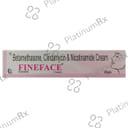
Betamethasone 0.1% w/w + Clindamycin 1% w/w + Vitamin B3 (Niacin) 4% w/w
₹140.6
Betamethasone 0.1% w/w + Clindamycin 1% w/w + Vitamin B3 (Niacin) 4% w/w
₹112.5