


More About Chlorhexidine Gluconate + Sodium Fluoride + Zinc Chloride
Quick Summary
Chlorhexidine Gluconate + Sodium Fluoride + Zinc Chloride contains chlorhexidine gluconate, sodium fluoride, and zinc chloride, a triple combination used as a topical oral hygiene agent for the prevention and management of dental plaque, gingivitis, dental caries, and oral malodour. Chlorhexidine gluconate is a broad-spectrum bisbiguanide antiseptic that reduces oral bacterial load, sodium fluoride remineralises tooth enamel and inhibits cariogenic bacterial metabolism, and zinc chloride provides astringent, antiplaque, and deodorising properties. Together they provide complementary antibacterial, remineralising, and anti-inflammatory action in the oral cavity. Always use Chlorhexidine Gluconate + Sodium Fluoride + Zinc Chloride exactly as directed by your doctor or dentist or as indicated on the product packaging.
Detailed Description
Chlorhexidine Gluconate + Sodium Fluoride + Zinc Chloride is a topical oral formulation combining three agents with complementary mechanisms to maintain oral health, reduce microbial burden, and protect tooth structure against cariogenic and periodontal disease.
Chlorhexidine gluconate is a cationic bisbiguanide antiseptic with broad-spectrum bactericidal and bacteriostatic activity. It acts by adsorbing onto negatively charged bacterial cell walls, disrupting membrane integrity, and causing leakage of intracellular contents, leading to bacterial cell death. Its substantivity — the ability to bind to oral surfaces including mucosa, teeth, and plaque — allows prolonged antimicrobial activity in the oral cavity beyond the period of direct application. It is effective against Gram-positive and Gram-negative bacteria, yeasts, and some viruses commonly implicated in periodontal disease and caries.
Sodium fluoride is an inorganic fluoride salt that releases fluoride ions in aqueous solution. Fluoride ions promote the remineralisation of early carious lesions by incorporating into hydroxyapatite to form fluorapatite, a more acid-resistant crystalline structure. Fluoride also inhibits the glycolytic enzymes of cariogenic bacteria such as Streptococcus mutans, reducing acid production and bacterial colonisation of tooth surfaces. At recommended concentrations, it provides effective caries prevention without risk of fluorosis.
Zinc chloride is an astringent zinc salt with antiplaque, antimicrobial, and deodorising properties. Zinc ions inhibit the growth and metabolism of plaque-forming bacteria and interfere with the calcification of supragingival plaque into calculus. Zinc also neutralises volatile sulphur compounds produced by anaerobic oral bacteria, providing effective management of oral malodour. Its astringent action on gingival tissues reduces inflammation and bleeding associated with gingivitis.
Together, these three components provide synergistic antibacterial, remineralising, antiplaque, and deodorising action in a single oral hygiene formulation.
Uses of Chlorhexidine Gluconate + Sodium Fluoride + Zinc Chloride
The uses of Chlorhexidine Gluconate + Sodium Fluoride + Zinc Chloride are as follows:
Dental Plaque Control
Chlorhexidine Gluconate + Sodium Fluoride + Zinc Chloride reduces supragingival plaque accumulation through the combined antibacterial action of chlorhexidine and zinc chloride and is used as an adjunct to mechanical oral hygiene.
Gingivitis
It is used to reduce gingival inflammation, bleeding, and bacterial load in patients with gingivitis as part of a comprehensive periodontal hygiene regimen.
Dental Caries Prevention
Sodium fluoride promotes enamel remineralisation and inhibits cariogenic bacterial activity, reducing the risk of new carious lesions.
Periodontitis (Adjunctive Use)
It is used as an adjunct to professional periodontal treatment to reduce oral bacterial load and support gingival healing.
Oral Malodour (Halitosis)
Zinc chloride neutralises volatile sulphur compounds and chlorhexidine reduces the anaerobic bacterial burden responsible for oral malodour.
Post-Procedural Oral Care
It is used following dental extractions, periodontal procedures, or oral surgery to maintain oral antisepsis and support healing.
Benefits of Chlorhexidine Gluconate + Sodium Fluoride + Zinc Chloride
Here are the benefits of Chlorhexidine Gluconate + Sodium Fluoride + Zinc Chloride:
- Broad-Spectrum Antibacterial Action: Chlorhexidine gluconate provides sustained reduction of cariogenic and periodontopathic bacteria through its substantive binding to oral surfaces.
- Enamel Remineralisation: Sodium fluoride strengthens tooth enamel by promoting fluorapatite formation, providing lasting protection against dental caries.
- Effective Plaque and Calculus Control: Zinc chloride inhibits plaque bacterial metabolism and prevents calcification of plaque into calculus, supporting long-term periodontal health.
- Oral Malodour Management: Zinc chloride neutralises volatile sulphur compounds, providing effective and sustained relief from halitosis.
- Comprehensive Oral Health Protection: The triple combination simultaneously addresses bacterial infection, enamel demineralisation, and gingival inflammation in a single formulation.
Side Effects of Chlorhexidine Gluconate + Sodium Fluoride + Zinc Chloride
Like all medicines, Chlorhexidine Gluconate + Sodium Fluoride + Zinc Chloride may cause side effects in some individuals.
Common Side Effects
- Tooth and Tongue Staining: Chlorhexidine gluconate is associated with brownish discolouration of teeth, tongue, and dental restorations with prolonged use. This is reversible with professional cleaning.
- Altered Taste Sensation: Temporary changes in taste perception, including a bitter or metallic taste, may occur after use, particularly with chlorhexidine.
- Oral Mucosal Irritation: Mild burning, tingling, or dryness of the oral mucosa may occur, especially during initial use.
Uncommon Side Effects
- Desquamation of Oral Mucosa: Superficial shedding of the mucosal lining may occur in sensitive individuals, particularly with frequent use.
- Parotid Gland Swelling: Unilateral or bilateral parotid swelling has been rarely reported with chlorhexidine-containing oral preparations.
- Dental Hypersensitivity: Increased tooth sensitivity may occur in some patients, particularly with repeated fluoride exposure in those with pre-existing sensitivity.
Serious Side Effects (Require Immediate Medical Attention)
- Severe Allergic Reaction: Swelling of the face, lips, tongue, or throat with difficulty breathing requires urgent medical care. Chlorhexidine hypersensitivity reactions, though rare, can be severe.
- Fluoride Toxicity: Accidental ingestion of large quantities may cause nausea, vomiting, abdominal pain, and in severe cases systemic toxicity. Seek immediate medical attention if significant ingestion occurs.
Always consult your doctor if side effects persist or worsen.
Directions for Use
To ensure safe use:
- Use exactly as prescribed or directed on the product label.
- Rinse or brush as directed, usually once or twice daily after regular tooth brushing.
- Do not swallow the product; spit out thoroughly after use.
- Avoid eating, drinking, or rinsing with water for at least thirty minutes after use to allow the active ingredients to remain in contact with oral surfaces.
- Do not use immediately before or after using other oral hygiene products such as toothpaste containing anionic surfactants (e.g., sodium lauryl sulphate), as these may inactivate chlorhexidine.
- Keep away from the eyes; if contact occurs, rinse thoroughly with water.
How it works
Chlorhexidine Gluconate + Sodium Fluoride + Zinc Chloride acts through three complementary mechanisms to protect oral health, reduce bacterial burden, and strengthen tooth structure.
Chlorhexidine gluconate adsorbs rapidly onto negatively charged bacterial cell membranes and oral surfaces due to its cationic charge. At bacteriostatic concentrations it disrupts membrane function; at bactericidal concentrations it causes complete membrane lysis and leakage of intracellular components. Its substantivity is conferred by binding to oral mucosa, salivary proteins, and tooth pellicle, allowing slow release of active chlorhexidine over several hours and providing residual antimicrobial activity between applications.
Sodium fluoride dissociates in saliva to release fluoride ions. These ions are incorporated into demineralised enamel hydroxyapatite crystals, forming the more stable and acid-resistant fluorapatite. Fluoride also inhibits enolase and other glycolytic enzymes in cariogenic bacteria, reducing their capacity to produce organic acids that demineralise enamel. At low concentrations, it promotes remineralisation of early carious lesions before cavitation occurs.
Zinc chloride releases zinc ions that interfere with bacterial enzyme systems involved in plaque formation and acid production. Zinc ions complex with sulphur-containing compounds in the oral cavity, neutralising the volatile sulphur compounds generated by anaerobic proteolytic bacteria responsible for halitosis. The astringent properties of zinc ions also reduce gingival capillary permeability, decreasing inflammation and bleeding tendency in gingivitis.
Safety Advice for Chlorhexidine Gluconate + Sodium Fluoride + Zinc Chloride

Allergy
Caution
Inform your doctor of any known allergy to chlorhexidine, fluoride compounds, or zinc salts before use.

Breastfeeding
Caution
Avoid swallowing the product. Topical oral use at recommended doses is generally considered low risk, but consult your doctor if concerned

Pregnancy
Caution
Use only as directed. Topical oral application at standard doses is not expected to pose significant systemic risk, but consult your doctor before use during pregnancy.

Driving
Safe
Topical oral use at recommended doses is not expected to impair driving ability.

Alcohol
Caution
Avoid consuming alcohol immediately after use, as it may reduce the efficacy of the formulation and cause oral irritation.

Liver
Safe
No significant hepatic concerns expected with topical oral use at recommended doses.

Kidney
Safe
No significant renal concerns expected with topical oral use at recommended doses.

Children
Caution
Use in young children requires supervision to prevent accidental swallowing. Fluoride-containing products should be used with care in children under six years; consult your doctor or dentist for appropriate dosing.

Elderly patients
Safe
Generally well tolerated in elderly patients. Ensure adequate supervision if the patient has difficulty with oral rinsing to prevent accidental swallowing.
Quick Tips for Chlorhexidine Gluconate + Sodium Fluoride + Zinc Chloride
A few practical measures can help improve treatment outcomes and ensure safe use of Chlorhexidine Gluconate + Sodium Fluoride + Zinc Chloride:
- Allow time after use before eating or drinking: Avoid food, drink, or rinsing for at least thirty minutes after application to maximise contact time of active ingredients with oral surfaces.
- Space from toothpaste use: Use Chlorhexidine Gluconate + Sodium Fluoride + Zinc Chloride at a separate time from toothpaste containing sodium lauryl sulphate, as anionic surfactants can inactivate chlorhexidine and reduce its efficacy.
- Expect temporary staining with prolonged use: Brownish tooth staining associated with chlorhexidine is reversible and can be managed with professional dental scaling and polishing.
- Supervise use in children: Ensure children do not swallow the product; use only under adult supervision and follow age-appropriate dosing as advised by a dentist.
- Continue regular mechanical oral hygiene: This formulation is an adjunct to, not a replacement for, regular tooth brushing and flossing. Optimal oral health requires both chemical and mechanical plaque control.
Storage Advice
Proper storage is important to maintain the stability and effectiveness of Chlorhexidine Gluconate + Sodium Fluoride + Zinc Chloride:
- Store at room temperature: Keep away from heat, moisture, and direct sunlight.
- Keep container tightly closed: Prevents evaporation, contamination, and degradation of active ingredients.
- Keep out of reach of children: Store safely to prevent accidental ingestion, particularly of fluoride-containing preparations.
- Check expiry before use: Do not use after the expiry date printed on the packaging.
Drug-Food Interaction
Chlorhexidine Gluconate + Sodium Fluoride + Zinc Chloride is a topical oral formulation and is not significantly affected by dietary intake. However:
- Avoid eating or drinking immediately after use: Food and beverages may dilute and remove the active ingredients from oral surfaces, reducing efficacy. Wait at least thirty minutes after use.
- Avoid tea, coffee, and red wine close to use: These beverages may compound chlorhexidine-related tooth staining with frequent consumption.
- No systemic dietary restrictions required: Topical oral use at recommended doses does not necessitate changes to general diet or fluid intake.
Interactions with Other Drugs
Chlorhexidine Gluconate + Sodium Fluoride + Zinc Chloride may interact with the following medicines:
- Anionic Oral Hygiene Products (e.g., Sodium Lauryl Sulphate-containing Toothpastes): Anionic surfactants inactivate cationic chlorhexidine; use these products at separate times to avoid loss of efficacy.
- Other Fluoride Supplements or Preparations: Concurrent use of multiple fluoride-containing products increases total fluoride exposure; review with a dentist to ensure the combined dose remains within safe limits.
- Tetracycline-containing Oral Preparations: Concurrent use may reduce the efficacy of both agents through physicochemical incompatibility in the oral environment.
- Systemic Zinc Supplements: Concurrent systemic zinc supplementation is unlikely to cause significant interaction at topical oral doses, but should be noted if high supplemental doses are used.
Drug-Disease Interactions
Chlorhexidine Gluconate + Sodium Fluoride + Zinc Chloride should be used carefully in the following conditions:
- Oral Ulceration or Open Mucosal Lesions: Chlorhexidine and zinc chloride may cause significant irritation when applied to open mucosal wounds; use with caution and on the advice of a dentist.
- Dental Fluorosis Risk: In areas with high fluoride content in drinking water, additional fluoride supplementation should be reviewed with a dentist to avoid risk of dental fluorosis, particularly in children.
- Chlorhexidine Hypersensitivity: Patients with a known history of chlorhexidine allergy, including anaphylactic reactions, must avoid this formulation entirely.
- Xerostomia (Dry Mouth): Patients with reduced salivary flow may experience greater mucosal irritation and altered taste with chlorhexidine-containing preparations.
- Oral Candidiasis: While chlorhexidine has antifungal properties, prolonged use may alter the oral microbiome and potentially predispose susceptible individuals to secondary infections; review with a dentist if prolonged use is required.
Daily Dose
Use once or twice daily as directed by your doctor or dentist, or as indicated on the product label. Rinse for thirty to sixty seconds and expectorate thoroughly. The formulation should not be swallowed. Duration of use should be guided by clinical need; prolonged unsupervised use beyond four weeks should be reviewed with a dental professional.
What If You Forget to take Chlorhexidine Gluconate + Sodium Fluoride + Zinc Chloride?
If an application is missed, use it as soon as remembered. Do not double the application to make up for a missed one. Maintain the regular schedule thereafter.
Fact Box
Therapeutic Class
Oral Antiseptic / Dental Hygiene Agent
Action Class
Antimicrobial + Remineralising Agent + Astringent / Antiplaque Agent
Chemical Class
Bisbiguanide Antiseptic + Inorganic Fluoride Salt + Zinc Salt
Habit Forming
No
Checkout Editorial Policy
Related Medications

Chlorhexidine Gluconate 0.20% w/v + Sodium Fluoride 0.05% w/v + Zinc Chloride 0.09% w/v
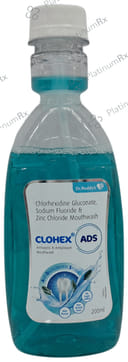
₹222
MRP ₹270.7
Chlorhexidine Gluconate 0.20% w/v + Sodium Fluoride 0.05% w/v + Zinc Chloride 0.09% w/v
₹82.4
MRP ₹100.5