


More About Dapsone
Quick Summary
Dapsone contains dapsone, an antimicrobial and anti-inflammatory agent used in the treatment of leprosy, dermatitis herpetiformis, and a range of other inflammatory and infectious skin conditions. Dapsone belongs to the sulfone class of medicines and works by inhibiting bacterial folate synthesis while also suppressing neutrophil-mediated skin inflammation. Always use Dapsone exactly as directed by your doctor.
Detailed Description
Dapsone is a sulfone antimicrobial with dual antibacterial and anti-inflammatory properties, making it useful across a broad range of dermatological and infectious conditions.
As an antibacterial agent, dapsone inhibits dihydropteroate synthase, the enzyme responsible for folate synthesis in susceptible organisms. By blocking folate production, it prevents bacterial replication in Mycobacterium leprae, the causative organism of leprosy, as well as in other susceptible pathogens. It is used in combination with rifampicin and clofazimine as part of multidrug therapy for leprosy to prevent resistance.
Beyond its antibacterial role, dapsone exerts significant anti-inflammatory effects that are independent of its antimicrobial action. It suppresses neutrophil recruitment and activation at sites of skin inflammation, inhibits the myeloperoxidase pathway, and reduces the release of reactive oxygen species by neutrophils. This anti-inflammatory mechanism underpins its use in conditions such as dermatitis herpetiformis, where neutrophilic infiltration drives blister formation at the dermoepidermal junction.
Dapsone is absorbed well orally and is acetylated in the liver, producing a metabolite called monoacetyl dapsone. Its half-life ranges from 20 to 30 hours, allowing once-daily dosing in most indications.
Uses of Dapsone
The uses of Dapsone are as follows:
Leprosy
Dapsone is a core component of multidrug therapy for both paucibacillary and multibacillary leprosy, used in combination with other antimicrobials to prevent resistance and achieve bacterial clearance.
Dermatitis Herpetiformis
It is the treatment of choice for dermatitis herpetiformis, rapidly suppressing the neutrophilic inflammation responsible for the intensely itchy blistering rash associated with this condition.
Acne Vulgaris (Topical)
Topical dapsone formulations are used in the management of inflammatory acne, targeting both bacterial involvement and neutrophil-driven inflammation in acne lesions.
Pneumocystis jirovecii Pneumonia (Prophylaxis)
Dapsone is used as a second-line agent for prevention of Pneumocystis jirovecii pneumonia in immunocompromised patients intolerant of co-trimoxazole.
Bullous Pemphigoid and Other Autoimmune Blistering Disorders
It may be used as a steroid-sparing agent in certain neutrophilic and autoimmune blistering skin conditions.
Benefits of Dapsone
Here are the benefits of Dapsone:
- Dual Antibacterial and Anti-inflammatory Action: Dapsone addresses both infective and inflammatory components of conditions such as leprosy and dermatitis herpetiformis through distinct mechanisms.
- Treatment of Choice for Dermatitis Herpetiformis: Dapsone provides rapid and reliable relief from the blistering and intense itch of dermatitis herpetiformis, often within days of starting treatment.
- Essential Component of Leprosy Multidrug Therapy: Its inclusion in combination regimens is critical to preventing dapsone resistance and achieving durable bacterial clearance in leprosy.
- Steroid-sparing Potential: In autoimmune blistering disorders, Dapsone may reduce dependence on long-term systemic corticosteroids and their associated side effects.
- Once-daily Oral Dosing: Its long half-life supports simple once-daily administration, aiding treatment adherence in long-duration conditions such as leprosy.
Side Effects of Dapsone
Like all medicines, Dapsone may cause side effects in some individuals.
Common Side Effects
- Haemolytic Anaemia: Dapsone causes dose-dependent red blood cell breakdown, particularly in individuals with G6PD deficiency. Monitoring of blood counts is required during treatment.
- Methaemoglobinaemia: Conversion of haemoglobin to methaemoglobin reduces oxygen-carrying capacity and may cause bluish discolouration of the lips and fingernails, fatigue, and breathlessness.
- Nausea and Gastrointestinal Upset: Mild nausea, loss of appetite, or abdominal discomfort may occur, particularly during early treatment.
Uncommon Side Effects
- Peripheral Neuropathy: Prolonged use may occasionally cause motor neuropathy, presenting as muscle weakness.
- Skin Rash: Mild morbilliform rash may develop in some individuals during initial therapy.
- Headache and Dizziness: Reported with early use and usually resolves with continued treatment.
Serious Side Effects (Require Immediate Medical Attention)
- Dapsone Hypersensitivity Syndrome: A rare but serious reaction occurring within the first three months of treatment, characterised by fever, rash, lymphadenopathy, and internal organ involvement requiring immediate discontinuation.
- Severe Haemolysis: Significant red blood cell destruction may cause severe anaemia requiring urgent medical review and possible transfusion.
- Agranulocytosis: Rare but serious reduction in white blood cells requiring prompt investigation and discontinuation.
Always consult your doctor if side effects persist or worsen.
Directions for Use
To ensure safe use:
- Use exactly as prescribed by your doctor; do not alter the dose or duration without medical advice.
- Take orally with or without food; taking with food may reduce gastrointestinal discomfort.
- Adhere strictly to the prescribed multidrug regimen when used for leprosy; do not use dapsone as monotherapy.
- Attend all scheduled blood monitoring appointments to check for anaemia and methaemoglobinaemia during treatment.
- Inform your doctor of any history of G6PD deficiency before starting treatment.
How it works
Dapsone works through two distinct and complementary mechanisms.
As an antimicrobial, dapsone competitively inhibits dihydropteroate synthase, blocking the incorporation of para-aminobenzoic acid into dihydrofolic acid. This interrupts folate biosynthesis in susceptible bacteria, preventing nucleotide synthesis and halting bacterial replication. Mycobacterium leprae is unable to acquire folate from external sources, making this inhibition bacteriostatic at standard doses.
As an anti-inflammatory agent, dapsone suppresses neutrophil function independently of its antibacterial activity. It inhibits neutrophil recruitment to sites of inflammation, reduces myeloperoxidase-mediated oxidative damage, and limits the release of reactive oxygen species and lysosomal enzymes. In dermatitis herpetiformis, this suppression of neutrophilic activity at the dermoepidermal junction rapidly reduces blister formation and itch.
Safety Advice for Dapsone

Allergy
Caution
Inform your doctor of any known allergy to dapsone or other sulfone medicines before use.

Pregnancy
Caution
Use with caution during pregnancy, particularly near term, due to risk of neonatal haemolysis and methaemoglobinaemia. Use only if clearly indicated.

Breastfeeding
Caution
Dapsone passes into breast milk and may cause haemolytic anaemia in the infant. Use only under medical supervision with monitoring of the infant.

Driving
Caution
Methaemoglobinaemia or anaemia may cause fatigue and dizziness; assess individual tolerance before driving.

Alcohol
Caution
Alcohol may increase the risk of liver toxicity with dapsone. Limit alcohol intake during treatment.

Liver
Caution
Dapsone is hepatically metabolised; use with caution in patients with liver impairment and monitor liver function during treatment.

Kidney
Caution
Use with caution in renal impairment; dose adjustment may be required as dapsone metabolites are renally excreted.

Children
Caution
May be used in children for leprosy under medical supervision with appropriate weight-based dosing and monitoring.

Elderly patients
Caution
Elderly patients may be more susceptible to anaemia and methaemoglobinaemia; regular blood monitoring is advised.
Quick Tips for Dapsone
A few practical measures can help improve treatment outcomes and ensure safe use of Dapsone:
- Get a G6PD test before starting: G6PD deficiency significantly increases the risk of severe haemolytic anaemia with dapsone; testing before initiation is strongly recommended.
- Do not skip blood tests: Regular full blood count and methaemoglobin monitoring are essential during treatment to detect haematological side effects early.
- Never use dapsone alone for leprosy: Monotherapy promotes resistance; always use as part of the prescribed multidrug regimen.
- Watch for early signs of hypersensitivity: Fever, rash, or swollen glands within the first three months of treatment require immediate medical review and should not be dismissed as minor reactions.
- Follow a gluten-free diet if using for dermatitis herpetiformis: A strict gluten-free diet addresses the underlying cause and may allow gradual dose reduction of dapsone over time.
Storage Advice
Proper storage is important to maintain the stability and effectiveness of Dapsone:
- Store at room temperature: Keep away from heat, moisture, and direct sunlight.
- Keep in original packaging: Protects tablets from light exposure, which may affect stability.
- Keep out of reach of children: Store safely to prevent accidental ingestion or misuse.
- Check expiry before use: Do not use after the expiry date printed on the packaging.
Drug-Food Interaction
Dapsone does not have significant food interactions at standard doses. However:
- Take with food if gastrointestinal discomfort occurs: Food does not meaningfully affect dapsone absorption and may reduce nausea during early treatment.
- Avoid excessive alcohol: Alcohol increases the risk of hepatotoxicity and may worsen gastrointestinal side effects during treatment.
- No other dietary restrictions required: Standard food intake does not significantly affect the efficacy or metabolism of dapsone.
Interactions with Other Drugs
Dapsone may interact with the following medicines:
- Rifampicin: A potent inducer of hepatic enzymes, rifampicin significantly increases dapsone metabolism and reduces its plasma levels; dose adjustment may be required in leprosy regimens.
- Co-trimoxazole (Trimethoprim-Sulfamethoxazole): Concurrent use increases the risk of haematological toxicity including methaemoglobinaemia and haemolysis.
- Probenecid: Reduces renal excretion of dapsone metabolites, increasing plasma levels and the risk of toxicity.
- Folic Acid Antagonists (e.g., pyrimethamine): Concurrent use increases the risk of haematological side effects including megaloblastic anaemia.
- Antacids: May reduce absorption of dapsone if taken simultaneously; separate administration by at least two hours.
Drug-Disease Interactions
Dapsone should be used carefully in the following conditions:
- G6PD Deficiency: Significantly increases the risk of severe haemolytic anaemia; use requires careful risk-benefit assessment and close haematological monitoring.
- Anaemia: Pre-existing anaemia may be worsened by dapsone-induced haemolysis; baseline and periodic blood counts are required.
- Methaemoglobinaemia Susceptibility: Individuals with conditions reducing methaemoglobin reductase activity are at higher risk of clinically significant methaemoglobinaemia.
- Hepatic Impairment: Impaired metabolism of dapsone and its metabolites increases the risk of toxicity; dose adjustment and liver function monitoring are necessary.
- Pulmonary Disease: Reduced oxygen-carrying capacity from methaemoglobinaemia may worsen respiratory symptoms in patients with pre-existing lung conditions.
Daily Dose
For leprosy, the standard adult dose is 100 mg once daily as part of multidrug therapy. For dermatitis herpetiformis, dosing typically begins at 50 mg once daily and is adjusted according to response. Dosing in children is weight-based and determined by the treating doctor. Duration of treatment varies by indication and is guided by clinical response and medical supervision.
What If You Forget to take Dapsone?
If a dose is missed, take it as soon as remembered. Do not double the dose to make up for a missed one. If it is almost time for the next dose, skip the missed dose and continue with the regular schedule.
Fact Box
Therapeutic Class
Antileprotic / Dermatological Agent
Action Class
Antimicrobial + Anti-inflammatory
Chemical Class
Sulfone
Habit Forming
No
Checkout Editorial Policy
Related Medications

Adapalene 0.1% w/w + Dapsone 5% w/w
₹234.4
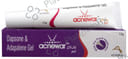
₹262.4
MRP ₹320
Dapsone 5% w/w
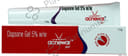
₹270
₹253.4
MRP ₹309
Dapsone 100mg
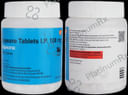
₹361.5
MRP ₹440.8
Dapsone 5% w/w
₹253.4
MRP ₹309
Adapalene 0.1% w/w + Dapsone 5% w/w
₹262.4
MRP ₹320
Dapsone 5% w/w
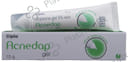
₹530
₹253.4
MRP ₹309
Adapalene 0.1% w/w + Dapsone 5% w/w
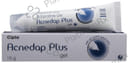
₹512.4
₹262.4
MRP ₹320
Dapsone 50mg
₹225.9

Adapalene 0.1% w/w + Dapsone 5% w/w
₹359