


More About Doxepin
Quick Summary
Doxepin contains doxepin, a tricyclic antidepressant with antihistaminic, anxiolytic, and sedative properties used in the management of depression, anxiety disorders, chronic insomnia, and pruritus. It works by inhibiting the reuptake of noradrenaline and serotonin at presynaptic nerve terminals and also exerts potent H1 antihistamine activity, which contributes to its sedative and antipruritic effects. Always use Doxepin exactly as directed by your doctor.
Detailed Description
Doxepin contains doxepin, a dibenzoxepine tricyclic antidepressant with a broad pharmacological profile encompassing serotonin and noradrenaline reuptake inhibition, H1 and H2 antihistamine activity, anticholinergic effects, and alpha-1 adrenergic receptor blockade.
As an antidepressant, doxepin increases synaptic concentrations of serotonin and noradrenaline by blocking their presynaptic reuptake transporters, enhancing monoaminergic neurotransmission in mood-regulating circuits. Its anxiolytic effects are mediated through a combination of monoamine modulation and sedation.
Doxepin is among the most potent H1 antihistamines of all tricyclic antidepressants, with its antihistaminic activity contributing substantially to its sedative properties. At very low doses, this H1 potency is exploited specifically for the management of chronic insomnia, where it is approved at doses far below those used for depression. Topically, its H1 blockade provides effective antipruritic relief in chronic itch conditions.
Uses of Doxepin
The uses of Doxepin are as follows:
Depression
Doxepin is used in the management of major depressive disorder, particularly where associated anxiety or insomnia requires concurrent treatment.
Anxiety Disorders
It is used for the management of generalised anxiety and mixed anxiety-depression states.
Chronic Insomnia
At low doses, it is approved for the treatment of sleep maintenance insomnia in adults and elderly patients.
Chronic Pruritus
Topical doxepin cream is used for short-term relief of pruritus in atopic dermatitis and other chronic itch conditions.
Neuropathic Pain (Adjunctive)
It may be used as an adjunct in chronic neuropathic pain management due to its monoamine modulating properties.
Benefits of Doxepin
Here are the benefits of Doxepin:
- Addresses Depression and Anxiety Simultaneously: Monoamine reuptake inhibition improves mood while sedative properties reduce associated anxiety and sleep disturbance.
- Effective Low-Dose Insomnia Treatment: Potent H1 antihistamine activity at very low doses provides sleep maintenance benefit with minimal next-day sedation at approved insomnia doses.
- Antipruritic Relief: Topical formulation provides targeted H1-mediated itch relief in chronic dermatological conditions.
- Long Clinical Experience: Doxepin has decades of established clinical use with a well-characterised safety and efficacy profile.
- Useful in Comorbid Depression and Insomnia: A single agent that addresses both mood and sleep disturbance reduces polypharmacy burden.
Side Effects of Doxepin
Like all medicines, Doxepin may cause side effects in some individuals.
Common Side Effects
- Sedation and Drowsiness: The most frequently reported effect, particularly at higher antidepressant doses.
- Dry Mouth: Anticholinergic activity reduces salivary secretion.
- Constipation: Reduced gastrointestinal motility from anticholinergic effects.
- Weight Gain: Prolonged use is associated with increased appetite and weight gain.
Uncommon Side Effects
- Postural Hypotension: Alpha-1 blockade may cause dizziness on standing, particularly in elderly patients.
- Blurred Vision: Anticholinergic effects may reduce visual accommodation.
- Urinary Retention: Particularly in elderly males with prostatic enlargement.
Serious Side Effects (Require Immediate Medical Attention)
- Cardiac Arrhythmias and QT Prolongation: Tricyclic antidepressants affect cardiac conduction and require monitoring in susceptible patients.
- Seizures: Doxepin may lower the seizure threshold, particularly at higher doses.
- Suicidal Ideation: As with all antidepressants, monitor closely for worsening mood or suicidal thoughts particularly during early treatment initiation or dose changes.
- Severe Anticholinergic Toxicity: Overdose may cause life-threatening anticholinergic crisis requiring urgent medical management.
Always consult your doctor if side effects persist or worsen.
Directions for Use
To ensure safe use:
- Use exactly as prescribed by your doctor.
- Oral formulations are usually taken once daily at bedtime due to sedative properties.
- Do not discontinue abruptly; dose should be tapered under medical supervision.
- Topical cream should be applied sparingly to affected areas as directed.
- Do not exceed the prescribed dose.
How it works
Doxepin inhibits the reuptake of serotonin and noradrenaline at presynaptic transporters, increasing the availability of these monoamines in the synaptic cleft. This enhanced monoaminergic neurotransmission in limbic and cortical circuits produces antidepressant and anxiolytic effects over weeks of consistent treatment.
Doxepin's potent H1 antihistamine activity blocks central histamine receptors involved in wakefulness regulation, producing sedation that is therapeutically utilised at low doses for insomnia and at higher doses as an adjunct to antidepressant action. At very low doses used specifically for insomnia, the H1 blockade is selective with minimal anticholinergic and adrenergic side effects.
Safety Advice for Doxepin

Allergy
Caution
Inform your doctor of any known allergy to tricyclic antidepressants or dibenzoxepine compounds before use.

Breastfeeding
Unsafe
Doxepin and its active metabolite pass into breast milk and have been associated with sedation in infants. Use is not recommended during breastfeeding.

Pregnancy
Limited information
Use only if specifically advised by a doctor. Tricyclic antidepressants should be used with caution in pregnancy, particularly near term.

Driving
Unsafe
Doxepin causes significant sedation and impairs driving ability. Do not drive or operate machinery, particularly during early treatment.

Alcohol
Unsafe
Alcohol significantly enhances CNS depression and sedation. Concurrent use must be avoided during treatment.

Liver
Caution
Doxepin is extensively hepatically metabolised. Use carefully in hepatic impairment and consider dose reduction. Consult your doctor.

Kidney
Caution
Use carefully in renal impairment as altered drug clearance may increase exposure. Consult your doctor.

Children
Unsafe
Doxepin is not recommended for use in children and adolescents under eighteen years due to increased risk of suicidal ideation and lack of established safety data.

Elderly patients
Caution
Elderly patients are at significantly increased risk of postural hypotension, anticholinergic effects, falls, and cardiac conduction changes. Start at the lowest effective dose with careful monitoring.
Quick Tips for Doxepin
A few practical measures can help ensure safe and effective use of Doxepin:
- Take at bedtime: Sedative properties make bedtime dosing preferable to minimise daytime drowsiness and optimise sleep benefit.
- Do not stop abruptly: Abrupt discontinuation may cause withdrawal symptoms including nausea, agitation, and rebound insomnia. Taper the dose under medical supervision.
- Avoid alcohol entirely: The combination of doxepin and alcohol produces dangerous additive CNS depression and must be avoided throughout treatment.
- Monitor mood closely during initiation: Antidepressant treatment may transiently increase agitation or suicidal ideation during the first few weeks; close monitoring is essential.
- Inform your doctor of cardiac history: Doxepin affects cardiac conduction and should be used with caution in patients with pre-existing cardiac conditions or QT prolongation risk factors.
Storage Advice
Proper storage is important to maintain the stability and effectiveness of Doxepin:
- Store at room temperature: Keep away from heat, moisture, and direct sunlight.
- Keep in original packaging: Protects tablets and capsules from humidity and light.
- Keep out of reach of children: Tricyclic antidepressant overdose in children can be rapidly fatal; store securely at all times.
- Check expiry before use: Do not use after the expiry date printed on the packaging.
Drug-Food Interaction
Doxepin may generally be taken without strict dietary restrictions. However:
- Avoid alcohol entirely: Produces dangerous additive CNS depression and must be avoided throughout treatment.
- Avoid tyramine-rich foods if advised: While less relevant than with MAO inhibitors, dietary awareness is advisable during antidepressant therapy.
- No significant food interactions at standard doses: Oral formulations may be taken with or without food.
Interactions with Other Drugs
Doxepin may interact with the following medicines:
- MAO Inhibitors: Concurrent use with MAO inhibitors is contraindicated due to the risk of serotonin syndrome and hypertensive crisis. A washout period is required before switching.
- CNS Depressants and Sedatives: Additive CNS depression with benzodiazepines, opioids, and other sedatives increases the risk of respiratory depression.
- QT-Prolonging Medicines: Combined use with other QT-prolonging agents significantly increases arrhythmia risk.
- Anticholinergic Medicines: Additive anticholinergic effects increase the risk of urinary retention, constipation, and confusion.
- Sympathomimetic Agents: Doxepin may enhance the cardiovascular effects of adrenaline and noradrenaline due to reuptake inhibition.
Drug-Disease Interactions
Doxepin should be used carefully in the following conditions:
- Cardiac Arrhythmias and QT Prolongation: Tricyclic antidepressants prolong cardiac conduction and are contraindicated in recent myocardial infarction and significant arrhythmias.
- Glaucoma: Anticholinergic effects may precipitate acute angle-closure glaucoma in predisposed individuals.
- Benign Prostatic Hyperplasia: Urinary retention risk is significantly increased with anticholinergic activity in men with prostate enlargement.
- Epilepsy: Doxepin lowers the seizure threshold and requires careful use in patients with seizure disorders.
- Bipolar Disorder: Antidepressants including tricyclics may precipitate manic episodes in bipolar disorder without concurrent mood stabiliser cover.
Daily Dose
Dose depends on the indication. Antidepressant doses are typically higher and titrated gradually. Very low doses are used specifically for insomnia as directed by your doctor. Topical cream is applied sparingly to affected areas up to three to four times daily.
What If You Forget to take Doxepin?
If a dose is missed, take it as soon as remembered. Do not double the dose to make up for a missed one.
Fact Box
Therapeutic Class
Antidepressant / Anxiolytic / Sedative / Antipruritic
Action Class
Serotonin and Noradrenaline Reuptake Inhibitor + H1 Antagonist + Anticholinergic
Chemical Class
Dibenzoxepine Tricyclic Antidepressant
Habit Forming
No
Checkout Editorial Policy
Related Medications

Doxepin 25mg
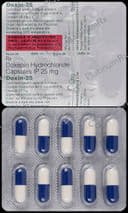
₹83.4
₹68.2
MRP ₹124
Doxepin 10mg
₹34.7
₹70.1
MRP ₹85.4
Doxepin 10mg
₹30.9
₹70.1
MRP ₹85.4
Doxepin 75mg
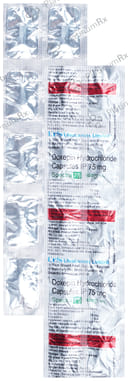
₹182.7
₹100.5
MRP ₹182.8
Doxepin 10mg
₹39.4
₹70.1
MRP ₹85.4
Doxepin 25mg
₹48.8
₹68.2
MRP ₹124
Doxepin 75mg
₹67
₹100.5
MRP ₹182.8
Doxepin 75mg
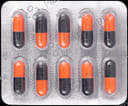
₹126.1
₹100.5
MRP ₹182.8
Doxepin 25mg
₹153.2
₹68.2
MRP ₹124
Doxepin 25mg
₹45
₹68.2
MRP ₹124
Doxepin 25mg
₹41.3
₹68.2
MRP ₹124
Doxepin 10mg
₹49.7
₹70.1
MRP ₹85.4
Doxepin 25mg
₹104.1
₹68.2
MRP ₹124
Doxepin 10mg
₹75
₹70.1
MRP ₹85.4
Doxepin 10mg
₹70.1
MRP ₹85.4
Doxepin 25mg
₹65.6
₹68.2
MRP ₹124
Doxepin 75mg
₹100.5
MRP ₹182.8
Doxepin 10mg
₹15

Doxepin 25mg
₹26.3
Doxepin 10mg
₹19
Doxepin 25mg
₹35
Doxepin 6mg
₹15.9
Doxepin 75mg
₹75
Doxepin 25mg
₹55
Doxepin 25mg
₹18.9