


More About Erdosteine
Quick Summary
Erdosteine is a mucolytic. This means it thins thick, sticky mucus (phlegm) in the airways so it is easier to cough up. It contains a single active ingredient, Erdosteine. Doctors use it for chest conditions where too much thick mucus is a main problem. These include short-term (acute) bronchitis and chest infections, long-term (chronic) bronchitis, and chronic obstructive pulmonary disease (COPD), a long-term lung disease that narrows the airways and makes breathing difficult. Erdosteine also works as an antioxidant, which means it helps protect the airways from damage caused by harmful oxygen-based particles. In people with COPD, long-term use has been shown to reduce flare-ups. It is a prescription medicine taken by mouth.
Detailed Description
Erdosteine belongs to a family of medicines called thiol-based drugs. The name comes from the sulfur-containing groups in their structure. Erdosteine is a "prodrug", which means it does very little until your liver changes it into active forms. The main active form is called Metabolite 1 (Met 1). These active forms loosen thick mucus and help the tiny hair-like structures in your airways sweep it out.
Doctors prescribe Erdosteine for:
- Acute bronchitis and chest infections with thick mucus - to thin and clear sticky phlegm, often alongside an antibiotic.
- Chronic bronchitis and its flare-ups - to ease cough and make phlegm easier to bring up.
- COPD - as an add-on to inhalers, to thin mucus and reduce flare-ups.
In clinical studies, Erdosteine reduced how often and how hard people coughed and made sputum (the phlegm you cough up) less thick. It also helps fight oxidative stress, which is damage caused by harmful molecules such as those in cigarette smoke. In a year-long study called RESTORE, people with COPD who took Erdosteine along with their usual inhalers had fewer flare-ups (exacerbations), and their flare-ups were shorter. It was also linked to a lower risk of hospital stays for COPD. In people with a chest infection who were taking amoxicillin, adding Erdosteine helped breathlessness, cough, and thick sputum improve more quickly.
Side effects are usually mild, and most of them affect the stomach. Do not take Erdosteine if you have liver cirrhosis (severe scarring of the liver), severe kidney disease, an active stomach or duodenal ulcer, or a rare inherited condition called homocystinuria. It is generally not recommended during pregnancy or breastfeeding. Children should take it only if a doctor prescribes it. Erdosteine does not replace your inhalers or other COPD treatment, so keep using them as prescribed.
Benefits of Erdosteine
- Thins thick mucus - Erdosteine makes sputum less thick and less sticky, so it is easier to cough up and clear from the chest.
- Eases cough - Studies show it lowers how often and how hard people cough during bronchitis and COPD flare-ups.
- Fewer and shorter COPD flare-ups - Taken every day over a long period, Erdosteine lowered the number of COPD flare-ups and made them shorter in the RESTORE study.
- Lower chance of hospital stays - In COPD studies, Erdosteine reduced the risk of being admitted to hospital for a flare-up.
- Antioxidant protection - It helps counter damage to the airways from harmful molecules, including those made by cigarette smoke.
- Works well alongside antibiotics - When Erdosteine was added to amoxicillin, symptoms of a chest infection improved more quickly than with the antibiotic alone.
- Generally well tolerated - Side effects are usually mild and mostly affect the stomach.
Side Effects of Erdosteine
Most people tolerate Erdosteine well. When side effects happen, they are usually mild and mostly affect the stomach. Mild side effects often lessen as you keep taking it.
Common Side Effects (Usually Mild)
- Nausea (feeling sick)
- Stomach discomfort or pain
- Changes in taste
- Loose stools (diarrhoea)
- Vomiting
- Headache
- Mild skin reactions such as redness or itching
Less common: cold-like symptoms or mild breathlessness (tell your doctor if this happens).
Serious Side Effects (Seek Urgent Medical Attention)
- Signs of a serious allergic reaction, such as swelling of the face, lips, tongue, or throat, trouble breathing, or a widespread itchy rash or hives
- Breathing that gets much worse, wheezing, or chest tightness
- Severe or ongoing vomiting or stomach pain
Directions for Use
- Take Erdosteine exactly as your doctor has prescribed. It usually comes as capsules, dispersible tablets, granules, or a suspension.
- Swallow capsules whole with a glass of plain water. Do not open, crush, or chew them unless your doctor or pharmacist tells you to.
- If you have been given a dispersible tablet, granules, or a suspension, follow the pack directions for mixing or shaking before use. Measure liquid doses with the measuring cup or spoon that comes with the pack, not a kitchen spoon.
- Take your doses at about the same times each day, for example morning and evening, to keep a steady level in your body.
- You can take it with or without food. Taking it after a meal may help if it upsets your stomach. Whichever you choose, try to do the same each day.
- Drink plenty of fluids during the day unless your doctor has told you to limit them. This helps keep mucus loose.
- Finish the full course your doctor has prescribed, even if your cough feels better. Do not stop early or change the dose on your own.
- Keep using your regular inhalers and other COPD or asthma medicines alongside Erdosteine.
How it works
Mucus in your airways is made of long, chain-like proteins called mucins. These chains are held together by chemical links called disulfide bonds, which are bridges between sulfur atoms. The more of these bridges there are, the thicker and stickier the mucus becomes.
Erdosteine has two "blocked" sulfur groups (thiol or sulfhydryl groups). After you swallow it, your liver unblocks them as it processes the medicine. This first step is called first-pass metabolism. It makes the active forms of the medicine, mainly Met 1. These active forms break the sulfur bridges in mucus, so the long chains come apart and the mucus gets thinner. The tiny hairs lining your airways (cilia) can move thinner mucus upward more easily. This is called mucociliary clearance, and it lets you cough the mucus up more easily.
The free sulfur groups also act as antioxidants. They mop up "free radicals" (also called reactive oxygen species), which are unstable molecules that can damage lung tissue. Cigarette smoke and long-term lung disease produce many of them. In lab studies, Erdosteine also turned down signals that drive inflammation. These include a switch inside cells called NF-kB and messenger chemicals such as TNF-alpha and IL-1 beta.
Safety Advice for Erdosteine

Pregnancy
Limited information
Erdosteine is not recommended during pregnancy because there is not enough safety information. If you are pregnant or planning a pregnancy, tell your doctor before taking it.

Breastfeeding
Limited information
It is not known whether Erdosteine passes into breast milk, so it is generally not recommended while breastfeeding. Talk to your doctor about safer options.

Alcohol
Limited information
Erdosteine is not known to interact with alcohol, but alcohol can irritate the stomach and make chest conditions worse. Limit alcohol and ask your doctor what is safe for you.

Driving
Limited information
Erdosteine is not known to cause drowsiness. If you feel unwell or dizzy, do not drive or use machines.

Kidney
Limited information
Do not take Erdosteine if you have severe kidney disease. If you have mild or moderate kidney problems, tell your doctor, who will decide whether it is suitable.

Liver
Limited information
Do not take Erdosteine if you have liver cirrhosis (severe scarring of the liver). If you have milder liver problems, your doctor may prescribe a lower daily dose or a different medicine.

Children
Limited information
Give Erdosteine to children only if a doctor prescribes it, at the dose and in the form the doctor advises.

Elderly patients
Limited information
Erdosteine has been used in older adults with COPD and bronchiectasis (a condition where the airways become permanently widened and collect mucus). Older people should take it under regular medical review, especially if they take several other medicines.
Quick Tips for Erdosteine
- Swallow capsules whole with plain water at about the same times each day.
- You can take it with or without food. Taking it after food can help if it upsets your stomach.
- Drink enough water through the day to help keep mucus loose.
- Keep using your regular inhalers. Erdosteine adds to your COPD treatment and does not replace it.
- If your doctor has also prescribed an antibiotic, take both exactly as directed and finish the antibiotic course.
- Ask your doctor before taking an over-the-counter cough syrup that stops coughing while on Erdosteine.
- Tell your doctor before starting if you have a stomach ulcer, liver or kidney disease, or homocystinuria.
- See your doctor if your sputum changes colour, you get a fever, or your breathing gets worse.
- If you smoke, quitting is the most helpful step for COPD and chronic bronchitis. Ask your doctor about help to quit.
- Stay active as your doctor advises, and keep up to date with the vaccines your doctor recommends.
Storage Advice
- Store Erdosteine below 30°C (86°F), or as printed on the pack, in a cool, dry place.
- Keep it in its original pack, away from direct sunlight, heat, and moisture. Do not keep it in the bathroom.
- Once a suspension has been opened or mixed, follow the pack instructions on how long it can be used, and throw away any leftover after that time.
- Keep it out of sight and reach of children and pets.
- Do not use it after the expiry date. Ask your pharmacist how to dispose of unused medicine safely.
Drug-Food Interaction
Erdosteine has no well-known interactions with particular foods, so you can take it with or without meals. Taking it after food may ease stomach upset, which is its most common side effect. Drinking plenty of fluids supports its mucus-thinning effect. Alcohol can irritate the stomach and is best kept to a minimum.
Interactions with Other Drugs
- Antibiotics (for example, Amoxicillin) - When Erdosteine was added to amoxicillin, chest infection symptoms improved more quickly than with the antibiotic alone, and more of the antibiotic reached the sputum. Doctors often prescribe this combination on purpose. Take both as directed.
- Inhaled corticosteroids and bronchodilators (COPD inhalers) - In the RESTORE study, Erdosteine was taken along with usual COPD treatment. It prevented flare-ups whether or not people were using an inhaled steroid. Keep using your inhalers.
- Cough suppressants (for example, Codeine or Dextromethorphan) - These medicines stop the cough reflex, while Erdosteine loosens mucus so it can be coughed up. Taking both may let mucus build up in the chest. Ask your doctor before combining them.
- Other medicines - Tell your doctor and pharmacist about every medicine, supplement, and herbal product you take so they can check that your combination is safe.
Drug-Disease Interactions
- Liver cirrhosis - Do not take Erdosteine. For milder liver problems, your doctor may lower the dose (no more than 300 mg a day) or choose another medicine.
- Severe kidney disease - Do not take Erdosteine. Tell your doctor about any milder kidney problems.
- Active stomach or duodenal ulcer (peptic ulcer) - Do not take Erdosteine while you have an active ulcer.
- Homocystinuria (a rare inherited problem processing certain proteins) - Do not take Erdosteine.
- Weak cough or severe breathing problems - Loosened mucus has to be coughed out. If you are very weak or cannot cough well, tell your doctor.
- Known allergy to Erdosteine - Do not take it if you have had an allergic reaction to it before.
Daily Dose
- The usual adult dose is 300 mg taken two or three times a day, as your doctor advises. Do not take more than 900 mg in a day.
- People with mild liver problems usually take no more than 300 mg a day.
- Your doctor will decide your exact dose, how often to take it, and for how long, based on your condition, age, and other health problems.
- Children's doses and forms are different from adult doses and must be set by a doctor.
- Never take more than your doctor has prescribed, and do not change the dose or stop taking it without asking your doctor.
Overdose
If you or someone else has taken more Erdosteine than prescribed, contact a doctor or go to the nearest hospital emergency department right away, even if there are no symptoms. Too much may cause stronger stomach effects such as nausea, vomiting, stomach pain, or diarrhoea. Take the medicine pack with you so the medical team knows what was taken and how much. Hospital treatment aims to ease symptoms and keep the person safe.
What If You Forget to take Erdosteine?
If you miss a dose of Erdosteine, take it as soon as you remember. If it is almost time for your next dose, skip the missed one and take the next dose at the usual time. Never take two doses at once to make up for a missed one. A phone alarm, or taking it at a daily routine such as breakfast and dinner, can help you remember.
When to contact doctor
Seek urgent medical help if you notice:
- Swelling of the face, lips, tongue, or throat, or trouble swallowing
- Sudden difficulty breathing, wheezing, or chest tightness
- A widespread rash, hives, or blistering skin
- Severe or ongoing vomiting, or stomach pain that does not go away
- Black, tarry stools or vomit that looks like coffee grounds, which can be signs of a bleeding ulcer
- Coughing up blood
- A high fever, or sputum that turns green, yellow, or brown along with feeling more unwell
- Breathlessness or cough that keeps getting worse despite treatment
Fact Box
Therapeutic Class
Respiratory (mucoactive agent)
Action Class
Mucolytic with antioxidant activity
Chemical Class
Thiol derivative (prodrug with blocked sulfhydryl groups)
Habit Forming
No
Checkout Editorial Policy
Related Medications

Erdosteine 300mg

₹340.3
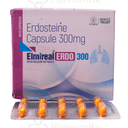
₹212.4
MRP ₹360
Erdosteine 300mg

₹340.3
₹212.4
MRP ₹360
Erdosteine 35mg
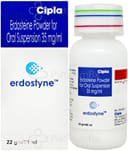
₹135.3
MRP ₹165
Erdosteine 300mg
₹328.1
₹212.4
MRP ₹360
Acebrophylline 100mg + Erdosteine 300mg
₹319.8
MRP ₹390
Erdosteine 300mg
₹212.4
MRP ₹360
Erdosteine 300mg
₹330
₹212.4
MRP ₹360
Acebrophylline 100mg + Erdosteine 300mg
₹340
₹319.8
MRP ₹390
Acebrophylline 100mg + Erdosteine 300mg

₹400
₹319.8
MRP ₹390
Acebrophylline 100mg + Erdosteine 300mg
₹340
₹319.8
MRP ₹390
Acebrophylline 100mg + Erdosteine 300mg
₹350
₹319.8
MRP ₹390
Erdosteine 300mg
₹295
₹212.4
MRP ₹360
Acebrophylline 100mg + Erdosteine 300mg

₹290
₹319.8
MRP ₹390
Acebrophylline 100mg + Erdosteine 300mg
₹370
₹319.8
MRP ₹390
Acebrophylline 100mg + Erdosteine 300mg
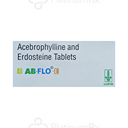
₹370
₹319.8
MRP ₹390
Acebrophylline 100mg + Erdosteine 300mg
₹290
₹319.8
MRP ₹390
Acebrophylline 100mg + Erdosteine 300mg
₹375
₹319.8
MRP ₹390
Erdosteine 175mg
₹69.9

Erdosteine 175mg
₹39.4