


More About Fexuprazan
Quick Summary
Fexuprazan contains Fexuprazan, a potassium-competitive acid blocker (P-CAB) used in the management of acid-related gastrointestinal disorders. It works by directly inhibiting gastric acid secretion in the stomach, providing rapid and sustained acid suppression. Fexuprazan is commonly prescribed for gastroesophageal reflux disease (GERD), erosive esophagitis, and acid-related upper gastrointestinal symptoms. Unlike proton pump inhibitors, it acts quickly without requiring acid activation, making it effective in controlling both daytime and night-time gastric acidity. Always take Fexuprazan exactly as prescribed by your doctor.
Detailed Description
Fexuprazan contains Fexuprazan hydrochloride, a newer generation potassium-competitive acid blocker (P-CAB) designed for the treatment of acid-related disorders where effective and prolonged suppression of gastric acid secretion is required.
Fexuprazan works by reversibly blocking the H+/K+ ATPase enzyme (proton pump) present in gastric parietal cells. Unlike conventional proton pump inhibitors (PPIs), which require acid activation and covalent binding, Fexuprazan competitively inhibits potassium binding at the proton pump, leading to rapid acid suppression shortly after administration. This allows effective control of gastric acidity from the first dose.
Because of its rapid onset and prolonged acid suppression, Fexuprazan is particularly useful in conditions such as gastroesophageal reflux disease (GERD), where both symptom control and mucosal healing are important. It also offers improved night-time acid control compared with some traditional acid suppressants.
The medicine maintains gastric pH for prolonged periods, helping reduce oesophageal irritation, upper abdominal discomfort, and acid regurgitation. It may also be prescribed in erosive gastritis and in selected acid-related conditions requiring sustained acid suppression.
Fexuprazan is generally administered orally once daily and may be taken regardless of meals depending on clinical advice. It is intended for regular use over the prescribed duration for optimal benefit.
Uses of Fexuprazan
The uses of Fexuprazan are as follows:
Gastroesophageal Reflux Disease (GERD)
Helps control acid reflux symptoms and supports oesophageal healing.
Erosive Esophagitis
Promotes healing of acid-related oesophageal inflammation.
Acid-related Dyspepsia
Relieves upper abdominal discomfort related to acid excess.
Gastritis
Helps reduce gastric irritation associated with increased acid exposure.
Heartburn
Provides relief from burning discomfort due to acid reflux.
Night-time Acid Symptoms
Helps maintain prolonged acid suppression overnight.
Benefits of Fexuprazan
Here are the benefits of Fexuprazan:
- Rapid onset of acid suppression: Starts reducing gastric acid soon after administration.
- Sustained 24-hour acid control: Maintains prolonged gastric pH control.
- Effective night-time symptom control: Helps reduce nocturnal reflux symptoms.
- Does not require acid activation: Works directly without delayed onset seen with some PPIs.
- Supports mucosal healing: Promotes healing in acid-related oesophageal irritation.
- Convenient once-daily dosing: Improves treatment adherence.
Side Effects of Fexuprazan
Like all medicines, Fexuprazan may cause side effects in some individuals, although many people tolerate it well.
Common Side Effects
- Headache: Mild headache may occur during treatment.
- Nausea: Some individuals may experience mild nausea.
- Abdominal Discomfort: Mild upper abdominal discomfort may occur.
- Diarrhoea: Temporary loose stools may develop.
- Constipation: Occasional bowel habit changes may occur.
Uncommon Side Effects
- Dizziness: Mild dizziness may occur in some individuals.
- Dry Mouth: Temporary dryness may be noticed.
- Flatulence: Increased gas formation may occur occasionally.
Serious Side Effects (Require Immediate Medical Attention)
- Persistent Severe Abdominal Pain: Requires medical evaluation.
- Allergic Reaction: Rash, swelling, or breathing difficulty requires urgent attention.
- Persistent Diarrhoea: Severe prolonged diarrhoea should be reviewed medically.
Always consult your doctor if side effects persist or worsen.
Directions for Use
To ensure effective use:
- Take exactly as prescribed.
- Usually taken once daily.
- Swallow whole with water.
- Do not crush or chew unless advised.
- May be taken with or without food as directed.
- Follow prescribed treatment duration carefully.
How it works
Fexuprazan works by selectively inhibiting gastric acid secretion at the final stage of acid production.
Fexuprazan competitively blocks potassium binding at the H+/K+ ATPase proton pump located in gastric parietal cells. This prevents hydrogen ion secretion into the stomach lumen and rapidly reduces gastric acidity.
Because the inhibition is reversible and does not depend on acid activation, acid suppression begins early and remains sustained over 24 hours.
Safety Advice for Fexuprazan

Alcohol
Caution
Alcohol may worsen acidity and reflux symptoms.

Pregnancy
Caution
CONSULT YOUR DOCTOR: Use only if prescribed after medical evaluation.

Breastfeeding
Caution
CONSULT YOUR DOCTOR: Medical advice is recommended before use.

Driving
Safe
Usually does not impair alertness, though dizziness may occur rarely.

Kidney
Caution
CONSULT YOUR DOCTOR: Caution may be needed in severe impairment.
Quick Tips for Fexuprazan
- Take regularly at the same time each day.
- Avoid large late-night meals if reflux is present.
- Limit spicy or acidic foods if symptoms worsen.
- Elevate head during sleep in reflux patients.
- Complete full prescribed course.
Storage Advice
- Store below 25°C
- Keep away from moisture
- Keep in original packaging
- Keep out of reach of children
Drug-Food Interaction
Fexuprazan may be taken with or without food. However:
- Avoid excessive spicy foods: Spicy meals may irritate the stomach lining and worsen reflux symptoms in sensitive individuals.
- Limit alcohol intake: Alcohol can increase gastric irritation and aggravate acidity, heartburn, or reflux symptoms.
- Avoid heavy meals close to bedtime: Large late-night meals may increase acid reflux, especially when lying down soon after eating.
- Maintain regular meal timing: Consistent eating habits help reduce fluctuations in gastric acid secretion and improve symptom control.
Interactions with Other Drugs
Fexuprazan may interact with:
- Antifungal Medicines Requiring Gastric Acidity for Absorption (e.g. ketoconazole, itraconazole): Reduced stomach acidity may lower their absorption and effectiveness.
- Certain Antiretroviral Medicines: Some antiviral medicines may show altered absorption when gastric pH changes.
- Other Acid Suppressants: Concurrent use with other acid-reducing medicines may unnecessarily increase acid suppression.
- Iron Supplements: Reduced gastric acidity may decrease iron absorption in some individuals.
- Medicines Affected by Gastric pH Changes: Drugs requiring acidic gastric conditions for proper absorption may show altered effectiveness during treatment.
Drug-Disease Interactions
Fexuprazan should be used carefully in:
- Severe Liver Impairment: Hepatic dysfunction may alter drug metabolism and require careful medical supervision.
- Chronic Gastric Disorders Requiring Evaluation: Long-standing gastric symptoms should be properly assessed before prolonged treatment.
- Unexplained Weight Loss with Gastric Symptoms: This may indicate an underlying condition that requires investigation before acid suppression therapy.
- Persistent Vomiting: Ongoing vomiting may suggest significant gastrointestinal disease requiring further evaluation.
- Suspicion of Gastrointestinal Bleeding: Black stools, blood in vomit, or unexplained anaemia require immediate medical assessment before treatment continuation.
Daily Dose
The dose depends on the condition being treated and clinical response. It is usually taken once daily exactly as prescribed by your doctor.
What If You Forget to take Fexuprazan?
If you miss a dose, take it when remembered unless the next dose is due soon. Do not double the dose.
Fact Box
Therapeutic Class
Gastrointestinal
Action Class
Gastric Acid Secretion Inhibitor
Chemical Class
Potassium-Competitive Acid Blocker
Habit Forming
No
Checkout Editorial Policy
Related Medications

Fexuprazan 40mg
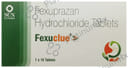
₹215.3
MRP ₹262.5