


More About L Ergothioneine + Vitamin B3 (Niacin)
Quick Summary
L Ergothioneine + Vitamin B3 (Niacin) is a combination of L-Ergothioneine and Vitamin B3 (Niacin or Nicotinamide) used to support cellular protection and skin health. L-Ergothioneine is a naturally occurring amino acid with antioxidant properties that helps protect cells from oxidative stress. Vitamin B3 is a vital nutrient that supports energy metabolism and maintains the integrity of the skin barrier. This combination is commonly prescribed in oral forms to support healthy ageing and is used in topical forms to manage skin concerns like redness and environmental damage. L Ergothioneine + Vitamin B3 (Niacin) is available in several oral and topical forms, including tablets, capsules, softgels, face serums, and creams.
Detailed Description
L Ergothioneine + Vitamin B3 (Niacin) provides a blend of nutrients designed to enhance the body’s natural defence systems against environmental and metabolic stress. It is utilised for its ability to support tissue health through both systemic and local application.
L-Ergothioneine is a unique antioxidant that the body stores in specific tissues exposed to oxidative stress, such as the skin and liver. It works by helping to neutralise free radicals and may protect mitochondrial DNA from damage. Vitamin B3 (Niacin/Nicotinamide) is a precursor to essential coenzymes (NAD+) involved in cellular repair and energy production. In topical formulations, such as serums and emulsions, it helps improve skin texture and moisture retention by supporting the production of ceramides. When taken orally via tablets or softgels, it assists in converting food into energy and supports the health of the nervous system and skin.
It is advised to use L Ergothioneine + Vitamin B3 (Niacin) under medical supervision, as the dose, route of administration, and duration may vary based on your condition. Safe use depends on following the specific directions for the oral or topical form as advised by a healthcare professional.
Uses of L Ergothioneine + Vitamin B3 (Niacin)
L Ergothioneine + Vitamin B3 (Niacin) may be indicated by your doctor for:
Skin Health Support
Management of skin barrier function, redness, and signs of photoageing.
Cellular Protection
To help reduce oxidative stress in tissues.
Nutritional Support
Addressing low levels of Vitamin B3 in the diet.
Healthy Ageing
Supporting cellular repair mechanisms and energy metabolism.
Environmental Defence
Helping the skin and body manage stress from pollutants and UV rays.
Benefits of L Ergothioneine + Vitamin B3 (Niacin)
L Ergothioneine + Vitamin B3 (Niacin) may provide benefits such as:
- Antioxidant support that helps protect cells from damage caused by free radicals.
- Improved skin barrier function which helps keep the skin hydrated and protected from irritants.
- Enhanced cellular energy by providing the building blocks for necessary metabolic coenzymes.
- Reduction in skin redness and improved evening of the skin tone when applied topically.
- Mitochondrial protection, supporting the health of the energy centres within each cell.
Side Effects of L Ergothioneine + Vitamin B3 (Niacin)
L Ergothioneine + Vitamin B3 (Niacin) is generally well-tolerated, but some side effects may occur.
Common side effects of L Ergothioneine + Vitamin B3 (Niacin) may include
- Oral: Mild stomach upset, nausea, or a temporary "niacin flush" (redness/tingling of the skin).
- Topical: Mild skin irritation, redness, or a slight stinging sensation upon application.
- Headache.
Uncommon side effects of L Ergothioneine + Vitamin B3 (Niacin) may include
- Dizziness.
- Increased skin sensitivity (topical use).
- Loss of appetite.
Serious side effects that may require immediate medical attention include
- Signs of a severe allergic reaction (hives, facial swelling, or difficulty breathing).
- Severe abdominal pain or persistent vomiting (oral use).
- Significant skin peeling or blistering (topical use).
Directions for Use
Use L Ergothioneine + Vitamin B3 (Niacin) exactly as prescribed by your doctor.
- Oral tablets/capsules/softgels: Swallow whole with water. Taking it with food may help reduce the chance of stomach upset or flushing.
- Topical serums/creams: Apply a small amount to clean, dry skin as directed. Daily use of sunscreen is typically recommended alongside topical application.
- Consistency: Use the product regularly at the same time each day to maintain steady levels in the body.
- Patch Test: For topical products, it is advisable to perform a patch test on a small area of skin before full application.
How it works
L Ergothioneine + Vitamin B3 (Niacin) works through cellular resilience and coenzyme support. L-Ergothioneine is a specialised antioxidant that settles in the mitochondria to neutralise reactive oxygen species, preventing oxidative damage to cellular structures. Vitamin B3 (Niacin/Nicotinamide) is converted into NAD+, a molecule required for DNA repair and energy production. Topically, Vitamin B3 stabilises the skin’s barrier and inhibits the transfer of pigment, which may help even out skin tone.
Safety Advice for L Ergothioneine + Vitamin B3 (Niacin)

Pregnancy
Caution
Dosing of Vitamin B3 must be monitored during pregnancy.

Breastfeeding
Caution
Seek medical advice to ensure supplementation is appropriate.

Driving
Safe
No known effect on alertness or coordination.

Liver
Caution
High oral doses of Niacin can affect liver enzymes. Use with care if you have a history of liver disease.

Kidney
Caution
Patients with kidney disease should seek medical supervision before use.

Alcohol
Caution
Alcohol can increase the risk of skin flushing when taking Niacin and may dry out the skin.
Quick Tips for L Ergothioneine + Vitamin B3 (Niacin)
- To manage the "niacin flush" with oral forms, avoid taking them with hot drinks or on an empty stomach.
- If using the topical form, follow up with a moisturiser as advised by a healthcare professional.
- Consistent use is key; improvements in skin appearance typically take 4 to 8 weeks to become visible.
- Always perform a patch test on a small area of skin before starting a new topical product.
Storage Advice
- Store L Ergothioneine + Vitamin B3 (Niacin) at room temperature (20°C to 25°C) in a dry place.
- Keep the container tightly closed and away from moisture.
- Protect from direct sunlight.
- Store safely out of the reach of children.
- Do not use after the expiry date.
Drug-Food Interaction
- Hot Beverages (CAUTION): Drinking hot tea or coffee near the time of an oral dose may increase Niacin-related skin flushing.
- Spicy Foods (CAUTION): May increase the likelihood of temporary skin redness when taking oral Vitamin B3.
Interactions with Other Drugs
- Statins (MODERATE): Oral Niacin may increase the risk of muscle-related side effects when taken with certain cholesterol medicines.
- Blood Pressure Meds (CAUTION): Niacin can have a mild blood-pressure-lowering effect.
- Topical Acids (MILD): Using strong acids (like high-strength AHAs) at the same time as a Niacinamide serum may cause temporary skin flushing.
Drug-Disease Interactions
- Peptic Ulcers (CAUTION): Oral Niacin may irritate the stomach lining; consult a healthcare professional if you have active ulcers.
- Gout (CAUTION): High doses of oral Niacin can occasionally increase uric acid levels.
- Diabetes (CAUTION): Large doses of Niacin may affect blood sugar control; monitor levels as advised by your doctor.
Overdose
An acute single overdose of topical forms is unlikely to cause a medical emergency. For oral forms, excessive intake of Vitamin B3 can lead to symptoms such as severe skin flushing, dizziness, or liver issues. If you suspect an overdose, stop using the medicine and contact your doctor immediately.
What If You Forget to take L Ergothioneine + Vitamin B3 (Niacin)?
If you miss a dose or application, take or use it as soon as you remember. If it is almost time for your next dose, skip the missed one and continue with your regular schedule. Never double the dose to compensate.
Fact Box
Therapeutic Class
Nutritional support / Dermatological care
Action Class
Antioxidant / Skin-conditioning agent
Chemical Class
Amino acid antioxidant and Water-soluble B-vitamin (B3)
Habit Forming
No
Checkout Editorial Policy
Related Medications

L Ergothioneine 0.5mg + Vitamin B3 (Niacin) 250mg
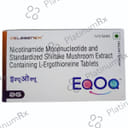
₹491.2
MRP ₹599
L Ergothioneine 0.5mg + Vitamin B3 (Niacin) 250mg
₹2,500
₹491.2
MRP ₹599