


More About Lurasidone
Quick Summary
Lurasidone is a prescription medicine for some long-term mental health conditions. It belongs to a group called atypical antipsychotics, also known as second-generation antipsychotics. The tablets contain lurasidone hydrochloride, which is the salt form of Lurasidone. It is mainly used to treat schizophrenia, a condition that affects how a person thinks, feels and sees the world. It is also used for the low, depressed phase of bipolar disorder, which is called bipolar depression. For this use, it may be taken alone or together with lithium or valproate. Lurasidone is usually taken once a day with food. A doctor should prescribe it and keep a regular check on it.
Detailed Description
Lurasidone helps steady the balance of certain brain chemicals that carry messages between nerve cells. The two main ones are dopamine and serotonin. In schizophrenia, too much dopamine activity in some brain areas is thought to cause symptoms such as hearing voices, holding false beliefs and having confused thoughts. Lurasidone lowers this extra activity. It also acts on several serotonin receptors, which may help with mood and with the low energy and withdrawal some people with schizophrenia feel.
For adults, Lurasidone is used for:
- Schizophrenia - to ease symptoms such as hallucinations, suspicious thoughts and disorganised thinking.
- Bipolar depression - to treat episodes of low mood in bipolar I disorder (a type of bipolar disorder in which a person has had at least one episode of extremely high, overactive mood called mania), either on its own or together with lithium or valproate.
In some countries, it is also approved for adolescents with schizophrenia and for children and adolescents with bipolar depression, under specialist care.
Lurasidone is taken once a day, which makes a daily routine easier. It has to be taken with food, because a meal greatly increases how much of the medicine the body absorbs. Compared with some older antipsychotics, it has very little effect on histamine and acetylcholine receptors. Blocking these receptors is linked to heavy drowsiness, dry mouth and constipation with some other medicines. Even so, Lurasidone can still cause weight changes, raised blood sugar and changes in cholesterol, so regular check-ups matter.
Lurasidone has two serious official warnings. Older people with dementia-related psychosis (confusion, memory loss and loss of touch with reality, such as seeing or believing things that are not real, caused by dementia) who take antipsychotic medicines have a higher risk of death. Lurasidone is not approved for this use. In children, teenagers and young adults, medicines used for depression can increase suicidal thoughts and behaviour, especially in the first few months or after a dose change. Family members and caregivers should watch for any sudden change in mood or behaviour. Lurasidone also interacts with many other medicines, so the doctor and pharmacist need to know about everything the patient takes.
Benefits of Lurasidone
- Controls symptoms of schizophrenia - Lurasidone reduces hallucinations, false beliefs and confused thinking by calming excess dopamine activity in the brain.
- Treats the low phase of bipolar disorder - It is one of a small number of medicines approved for bipolar depression, and it can be used alone or alongside lithium or valproate.
- Once-daily dosing - A single daily dose with a meal is easy to fit into a routine, and this helps people keep taking the medicine regularly.
- Low action on histamine and acetylcholine receptors - Lurasidone has very little effect on the receptors linked to heavy sedation, dry mouth and constipation with some other antipsychotics. However, sleepiness can still happen and is one of its common side effects.
- Helps prevent relapse in schizophrenia - Taken long term under medical supervision, it can lower the chance of symptoms coming back.
Side Effects of Lurasidone
Common Side Effects (Usually Mild and may lessen with continued use)
- Sleepiness or drowsiness
- An inner restlessness and a strong urge to keep moving, called akathisia
- Nausea and vomiting
- Indigestion or stomach discomfort
- Shakiness, stiff muscles or slow movements, which look like Parkinson's disease (parkinsonism)
- Runny nose or sore throat
- Increased appetite or weight gain
- Trouble sleeping
- Anxiety or agitation
Serious Side Effects (Seek Urgent Medical Attention)
- Severe movement side effects (extrapyramidal symptoms) - Sudden, painful muscle spasms of the neck, jaw, eyes or tongue (dystonia), or movement problems that are severe or getting worse. Get help at once if spasms affect breathing or swallowing.
- Neuroleptic malignant syndrome (NMS) - This is a rare but life-threatening reaction to antipsychotic medicines. Signs include high fever, very stiff muscles, confusion, sweating, and a fast or uneven heartbeat. It needs emergency treatment.
- Tardive dyskinesia - These are uncontrolled movements, often of the face, lips, tongue or jaw, such as lip smacking, chewing or tongue thrusting. They can become permanent and are more likely with long-term use and in older adults.
- Suicidal thoughts or worsening depression - This risk is higher in children, teenagers and young adults, especially early in treatment or after a dose change.
- Mania or hypomania - In people with bipolar disorder, this shows up as unusually high energy, racing thoughts, less need for sleep or risky behaviour.
- High blood sugar - Signs include strong thirst, passing urine often, extreme hunger and weakness. Very high sugar can be serious, especially in people with diabetes.
- Raised cholesterol or blood fats and significant weight gain - These usually cause no symptoms and are found on blood tests and weight checks, so keep all monitoring appointments.
- Overheating - Feeling very hot, being unable to sweat, or confusion in hot weather or during exercise.
- Raised prolactin - Prolactin is a hormone, and higher levels can cause breast swelling, milk discharge from the breast, missed periods or sexual problems.
- Low white blood cell count - This shows up as fever, sore throat or infections that keep coming back. In rare cases the count drops very low (agranulocytosis).
- Dizziness or fainting on standing up - This is caused by a drop in blood pressure (orthostatic hypotension) and can lead to falls and injuries.
- Seizures (fits)
- Trouble swallowing - This can raise the risk of food or liquid entering the lungs.
- Allergic reactions - Signs include rash, itching, hives, or swelling of the face, lips, tongue or throat with trouble breathing.
Directions for Use
- Take Lurasidone once a day, at about the same time each day, exactly as your doctor has prescribed.
- Always take it with food. A meal of at least 350 calories helps the body absorb the medicine properly. A small snack or an empty stomach can make the dose work less well.
- Keep your routine steady. Taking it with your evening meal every day, for example, keeps the amount of medicine in your body more even.
- Swallow the tablet whole with a glass of plain water. Do not crush, chew or break it unless your doctor or pharmacist tells you to.
- Do not take it with grapefruit or grapefruit juice.
- Keep taking Lurasidone even when you feel better. Stopping suddenly can bring symptoms back. Any change in dose or any decision to stop should be made with your doctor.
- Go to all your follow-up appointments, including blood tests for sugar and cholesterol and weight checks.
How it works
Brain cells send messages to each other using chemicals called neurotransmitters. Each chemical attaches to a matching "receptor" on the next cell, much like a key fitting into a lock. Lurasidone works by sitting in some of these locks.
- Dopamine D2 receptor blocking - In schizophrenia, too much dopamine signalling in certain brain pathways is linked to hallucinations and false beliefs. Lurasidone blocks D2 receptors (it is an "antagonist", which means it stops the receptor from being switched on). This calms the overactive signals.
- Serotonin 5-HT2A receptor blocking - Lurasidone also strongly blocks this serotonin receptor. Blocking dopamine and serotonin together is the typical feature of atypical antipsychotics, and it is thought to lower the risk of movement side effects compared with blocking dopamine alone.
- Serotonin 5-HT7 receptor blocking - Lurasidone binds very strongly to this receptor. Researchers think this may support its effects on mood and thinking.
- Serotonin 5-HT1A partial agonism - A "partial agonist" switches a receptor on, but only partly. This action at the 5-HT1A receptor may add to its mood-lifting effect in bipolar depression.
- Alpha-2C adrenergic receptor blocking - It also blocks this receptor, which is part of the brain's noradrenaline (also called norepinephrine) system.
- Low action on histamine H1 and muscarinic M1 receptors - Lurasidone barely attaches to these receptors. Blocking them is what causes much of the drowsiness, weight gain, dry mouth and constipation seen with some other antipsychotics.
The liver breaks down Lurasidone mainly through an enzyme called CYP3A4. This is why medicines and foods that change how CYP3A4 works can change how much Lurasidone stays in the body.
Safety Advice for Lurasidone

Pregnancy
Limited information
Tell your doctor if you are pregnant or planning a pregnancy. Babies exposed to antipsychotics such as Lurasidone in the last three months of pregnancy may have movement problems or withdrawal symptoms after birth. These include agitation, stiff or floppy muscles, tremor, sleepiness, breathing trouble and feeding problems. Animal studies have not shown birth defects, but information from pregnant women is limited. Your doctor may ask you to join a pregnancy registry that tracks the safety of these medicines. Do not stop the medicine on your own if you become pregnant. Your doctor will weigh the risks and benefits.

Breastfeeding
Limited information
Information on Lurasidone in human breast milk is limited. Talk to your doctor before breastfeeding. If you do breastfeed, watch the baby for unusual sleepiness or feeding problems.

Alcohol
Limited information
Avoid alcohol. It can add to the drowsiness and dizziness caused by Lurasidone and can make mood symptoms worse.

Driving
Limited information
Lurasidone can cause sleepiness and affect judgement, thinking and reaction time. Do not drive or operate machinery until you know how it affects you.

Kidney
Limited information
People with moderate or severe kidney problems usually need a lower starting dose and a lower maximum dose. Tell your doctor about any kidney disease.

Liver
Limited information
People with moderate or severe liver problems usually need a lower dose because the liver clears Lurasidone from the body. Tell your doctor about any liver disease.

Children
Limited information
Lurasidone is used in some adolescents with schizophrenia and in some children and adolescents with bipolar depression, only under a specialist. Young people need close watching for suicidal thoughts or changes in behaviour, especially in the first months of treatment.

Elderly patients
Limited information
Lurasidone is not approved for older people with dementia-related psychosis because of a higher risk of death and stroke-related problems. Older adults may also be more likely to have dizziness, falls and tardive dyskinesia.
Quick Tips for Lurasidone
- Take Lurasidone with a proper meal, not just a biscuit or tea, so your body absorbs it properly.
- Take it at the same time every day. An evening meal often works well if it makes you sleepy.
- Leave out grapefruit and grapefruit juice while on this medicine.
- Before starting any new medicine, including antibiotics, antifungals, epilepsy medicines or herbal products such as St John's wort, check with your doctor or pharmacist.
- Family members should watch for new or worsening low mood, suicidal talk, or unusually high energy and tell the doctor at once.
- If you feel a restless urge to keep moving, tell your doctor. Dose changes or other treatment can help.
- Drink enough water and avoid overheating in hot weather.
- Stand up slowly to avoid feeling dizzy or faint.
- Keep your blood test and weight check appointments.
Storage Advice
- Store at room temperature, ideally around 25°C (77°F). Short periods between 15°C and 30°C (59°F to 86°F) are acceptable.
- Keep the tablets in their original pack, away from moisture, direct sunlight and heat. Do not store them in the bathroom.
- Keep out of the sight and reach of children and pets. Swallowing this medicine by accident can be dangerous for a child.
- Do not use tablets after the expiry date. Ask your pharmacist how to dispose of unused medicine safely, and do not flush it down the toilet.
Drug-Food Interaction
- Meals - Food greatly increases how much Lurasidone the body absorbs. Taking it without food or with only a tiny snack can make it work less well. Take it with a meal of at least 350 calories.
- Grapefruit and grapefruit juice - Grapefruit blocks the CYP3A4 enzyme that breaks down Lurasidone. This can raise the level of the medicine in the blood and increase side effects. Avoid it during treatment.
- St John's wort - This herbal remedy speeds up the breakdown of Lurasidone and can make it much less effective. It should not be used together with Lurasidone.
- Alcohol - Alcohol adds to the drowsiness and dizziness caused by Lurasidone and should be avoided.
Interactions with Other Drugs
- Strong CYP3A4 blockers (medicines that strongly slow the liver enzyme that breaks down Lurasidone; must not be combined) - Ketoconazole, voriconazole, clarithromycin and ritonavir can raise Lurasidone levels sharply and increase the risk of serious side effects.
- Strong CYP3A4 boosters (medicines that strongly speed up this enzyme; must not be combined) - Rifampicin, carbamazepine, phenytoin and St John's wort can lower Lurasidone levels so much that it may stop working.
- Moderate CYP3A4 blockers - Diltiazem, verapamil, erythromycin, fluconazole and atazanavir can raise Lurasidone levels. The doctor usually lowers the dose of Lurasidone when these are used together.
- Moderate CYP3A4 boosters (medicines that speed up the liver enzyme that breaks down Lurasidone) - For example, bosentan, efavirenz or etravirine. These can lower the effect of Lurasidone. After about a week of using both together, the doctor may need to raise the dose.
- Blood pressure medicines - Taking these together may cause a larger drop in blood pressure, with dizziness or fainting.
- Sleep medicines, sedatives, opioid painkillers and other medicines that cause drowsiness - These can add to the drowsiness and slowed reactions caused by Lurasidone.
- Levodopa and other Parkinson's disease medicines that act on dopamine - These work in the opposite way to Lurasidone, so each may weaken the effect of the other.
- Lithium and valproate - These are often prescribed together with Lurasidone for bipolar depression. The combination needs regular review by the doctor.
Drug-Disease Interactions
- Dementia in older adults - There is a higher risk of death and stroke-related problems in older people with dementia-related psychosis. Lurasidone is not approved for this use.
- Depression or a history of suicidal thoughts - The person needs close watching, especially young people and anyone starting treatment or changing dose.
- Diabetes or high blood sugar - Lurasidone can raise blood sugar. People with diabetes need regular sugar checks.
- High cholesterol or being overweight - Lurasidone can change blood fats and body weight, so these are checked regularly.
- Heart disease, past heart attack, stroke or low blood pressure - These raise the risk of dizziness and fainting from a drop in blood pressure.
- Seizures (epilepsy) - Lurasidone may make seizures more likely in people who have had them before.
- Low white blood cell count - People with a past low count, or a past drop in white cells caused by a medicine, need blood counts checked, especially in the first months.
- Parkinson's disease or Lewy body dementia (a type of dementia that causes memory problems, confusion, seeing things that are not there, and stiffness similar to Parkinson's disease) - People with these conditions can be more sensitive to antipsychotics. They may get worse movement problems, confusion, falls or neuroleptic malignant syndrome.
- Kidney or liver disease - A lower dose is usually needed.
- Trouble swallowing - This raises the risk of choking or food entering the lungs.
- Bipolar disorder - Lurasidone may trigger a switch into mania or hypomania in some people.
- Conditions linked to prolactin - People with a history of raised prolactin, or with breast cancer that depends on prolactin, need careful review.
Daily Dose
Lurasidone is taken once a day with food. Your doctor will choose the dose based on your condition, age, kidney and liver health, and the other medicines you take.
- Schizophrenia in adults - Usually started at 40 mg once a day. The usual range is 40 mg to 160 mg per day, and 160 mg per day is the maximum.
- Bipolar depression in adults - Usually started at 20 mg once a day. The usual range is 20 mg to 120 mg per day, and 120 mg per day is the maximum.
- Adolescents (13 to 17 years) with schizophrenia - Usually started at 40 mg once a day, up to a maximum of 80 mg per day, under a specialist.
- Children and adolescents (10 to 17 years) with bipolar depression - Usually started at 20 mg once a day, up to a maximum of 80 mg per day, under a specialist.
- Kidney problems (moderate or severe) and moderate liver problems - Usually started at 20 mg per day, and not more than 80 mg per day.
- Severe liver problems - Usually started at 20 mg per day, and not more than 40 mg per day.
- When taken with certain medicines that slow its breakdown (moderate CYP3A4 blockers) - The doctor usually halves the dose. If starting new, the dose is usually 20 mg per day, up to 80 mg per day.
Do not take more than one dose in 24 hours. Take the exact dose your doctor prescribes. Do not raise, lower or stop it on your own.
Overdose
Taking too much Lurasidone can make its usual side effects much stronger. Possible signs include:
- Extreme sleepiness or difficulty waking up
- Severe dizziness or fainting from low blood pressure
- A fast or uneven heartbeat
- Severe muscle stiffness, shaking or uncontrolled movements
- Seizures (fits)
- Confusion
If you think someone has taken too much Lurasidone, or a child has swallowed it by accident, go to the nearest emergency department or call emergency services right away, even if there are no symptoms yet. Take the medicine pack with you. There is no specific antidote. Hospital staff will give supportive care and monitor breathing, heart rhythm and blood pressure until the medicine wears off.
What If You Forget to take Lurasidone?
- Take the missed dose with food as soon as you remember.
- If it is almost time for your next dose, skip the missed one and take the next dose at the usual time.
- Do not take two doses at once to make up for a missed one.
- If you often forget doses, try linking Lurasidone to a regular meal or setting a phone reminder. Tell your doctor if you have missed several doses in a row.
When to contact doctor
Get emergency medical help or contact your doctor straight away if you notice:
- Thoughts of suicide or self-harm, or sudden worsening of depression, anxiety, agitation or aggression
- Unusually high energy, racing thoughts, much less need for sleep, or reckless behaviour
- High fever with very stiff muscles, confusion, sweating or a fast heartbeat
- Muscle spasms of the neck, jaw, eyes or tongue, or trouble breathing or swallowing
- Uncontrolled movements of the face, tongue or body
- Severe thirst, passing urine very often, or extreme weakness
- Feeling very hot, being unable to sweat, or confusion in hot weather or during exercise
- Fever, sore throat or frequent infections
- Fainting, or severe dizziness when standing up
- A seizure (fit)
- Swelling of the face, lips, tongue or throat, a severe rash, or trouble breathing
- Breast swelling or discharge, missed periods or sexual problems
Fact Box
Therapeutic Class
Antipsychotic (atypical, second-generation)
Action Class
Dopamine D2 and serotonin 5-HT2A receptor antagonist, with 5-HT7 antagonist and 5-HT1A partial agonist activity
Chemical Class
Benzisothiazole derivative
Habit Forming
No
Checkout Editorial Policy
Related Medications

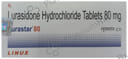
Lurasidone 80mg
₹298
₹205
MRP ₹410
Lurasidone 80mg
₹273.2
₹205
MRP ₹410
Lurasidone 40mg
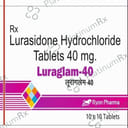
₹190
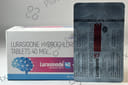
₹140
MRP ₹280
Lurasidone 80mg

₹245.2
₹205
MRP ₹410
Lurasidone 40mg
₹164
₹140
MRP ₹280
Lurasidone 40mg
₹112.5
₹140
MRP ₹280
Lurasidone 40mg
₹194.1
₹140
MRP ₹280
Lurasidone 80mg
₹343.1
₹205
MRP ₹410
Lurasidone 40mg
₹160
₹140
MRP ₹280
Lurasidone 80mg
₹279.4
₹205
MRP ₹410
Lurasidone 80mg
₹309.1
₹205
MRP ₹410
Lurasidone 80mg
₹298
₹205
MRP ₹410
Lurasidone 40mg
₹149
₹140
MRP ₹280
Lurasidone 40mg
₹160
₹140
MRP ₹280
Lurasidone 40mg
₹160
₹140
MRP ₹280
Lurasidone 40mg
₹164.1
₹140
MRP ₹280
Lurasidone 40mg
₹101.3
₹140
MRP ₹280
Lurasidone 80mg
₹339
₹205
MRP ₹410
Lurasidone 40mg
₹140
MRP ₹280
Lurasidone 40mg
₹1,990
₹140
MRP ₹280
Lurasidone 40mg
₹210.9
₹140
MRP ₹280
Lurasidone 40mg
₹112.5
₹140
MRP ₹280
Lurasidone 40mg
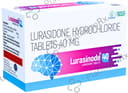
₹280
₹140
MRP ₹280
Lurasidone 80mg
₹410
₹205
MRP ₹410
Lurasidone 40mg
₹157.5
₹140
MRP ₹280