


More About Propylene Glycol
Quick Summary
Propylene Glycol is a pharmaceutical excipient containing propylene glycol, an inactive ingredient commonly used in prescription and over-the-counter medications. It is a clear, colorless, and viscous liquid that functions as a solvent, stabilizer, and water-miscible cosolvent. This ingredient helps dissolve active drugs, improve the stability and consistency of liquid and semi-solid formulations, and enhance the texture and performance of topical products such as creams and gels.
It is widely recognized as generally regarded as safe (GRAS) when used in customary amounts in pharmaceutical, and cosmetic products.
Detailed Description
Propylene Glycol contains propylene glycol, an excipient (pharmacologically inactive substance) used in many prescription and over‑the‑counter drug products. Propylene glycol is a clear, colorless, viscous organic compound that has been used in pharmaceutical formulations for more than 50 years due to its ability to help dissolve active ingredients, stabilize sensitive compounds, and improve the overall consistency of medications.
In medicinal products, propylene glycol is incorporated to act as a solvent and water‑miscible cosolvent, which may help active drugs that do not readily mix with water become evenly distributed within liquid or semi‑solid dosage forms. It is also used to enhance the texture and performance of topical products, such as creams, gels, and ointments, and to stabilize vitamins and other sensitive compounds in oral or injectable medicines.
Because propylene glycol is pharmacologically inactive, it does not provide therapeutic effects by itself but supports the delivery and proper function of the active ingredients in a formulation. Regulatory authorities generally regard propylene glycol as safe (GRAS) when used at customary levels in pharmaceutical, food, and cosmetic products.
Although it is well tolerated in most individuals, rare adverse reactions may ocuur with certain uses. For example, prolonged exposure to large amounts in children has been linked to conditions such as contact dermatitis or metabolic disturbances. Intravenous products with high concentrations of propylene glycol have occasionally been associated with systemic effects such as central nervous system depression or lactic acidosis, particularly with rapid infusion.
Uses of Propylene Glycol
Propylene Glycol (Propylene Glycol ) is an inactive pharmaceutical ingredient and is not used to treat medical conditions directly. Its primary uses in drug formulations include:
Solvent
Helps dissolve active ingredients that do not easily mix with water.
Stabilizer
Maintains the chemical stability and consistency of liquid and semi-solid medications.
Cosolvent
Enhances the solubility of water-insoluble compounds in oral, topical, or injectable products.
Texture enhancer
Improves the feel and spreadability of creams, gels, and ointments.
Carrier for active ingredients
Assists in the delivery of vitamins, hormones, or other sensitive compounds in formulations.
Benefits of Propylene Glycol
- Enhances Drug Solubility: Helps dissolve active ingredients that are poorly water-soluble, ensuring proper dosage and absorption.
- Improves Stability: Maintains chemical and physical stability of medications, preventing degradation of active compounds.
- Enhances Texture and Application: Improves the feel, spreadability, and consistency of topical creams, gels, and ointments.
- Acts as a Carrier: Safely delivers sensitive compounds such as vitamins, hormones, or other bioactive agents in oral, injectable, or topical forms.
Side Effects of Propylene Glycol
Since propylene glycol is a pharmacologically inactive excipient, it generally does not produce therapeutic side effects.
Common Side Effects may include
- Mild skin redness or itching when applied topically
- Slight gastrointestinal upset (nausea, diarrhea) at high oral doses
- Temporary burning or stinging sensation in topical formulations
Uncommon Side Effects may include
- Contact dermatitis or skin irritation with topical use, particularly in children
- Local irritation at the site of injection when used intravenously
- Gastrointestinal discomfort in sensitive individuals when ingested orally
Serious Side Effects may include (Seek immediate medical attention)
- Signs of allergic reaction: hives, difficulty breathing, swelling of the face, lips, tongue, or throat
- Central nervous system depression (confusion, unusual drowsiness, or lethargy)
- Severe metabolic disturbances such as lactic acidosis or hyperosmolality
- Hemolysis or cardiovascular effects (arrhythmias, hypotension) in high-concentration intravenous use
Directions for Use
Since propylene glycol is an inactive ingredient supporting another drug, follow the directions for the primary active medication.
- For oral liquids, use the specific measuring device provided with the medicine.
- For topicals, apply a thin layer to the area as directed by your physician.
- Do not apply to raw, blistering, or severely burned skin unless specifically instructed by your doctor.
- Wash your hands immediately after applying, unless your hands are the area being treated.
How it works
Propylene glycol works physically rather than pharmacologically. Its chemical structure makes it water-miscible, acting as a bridge to keep active medications dissolved in a liquid state. When applied to the skin, its hygroscopic nature allows it to attract and trap water molecules, acting as a moisturizer. Because it is metabolized in the body to lactic acid, massive accumulations can lead to reported lactic acidosis.
Safety Advice for Propylene Glycol

Alcohol
Caution
Consult your doctor. Propylene glycol shares the alcohol dehydrogenase metabolic pathway with ethanol.

Pregnancy
Caution
Generally considered safe as an excipient, but use during pregnancy should be considered on a case-by-case basis.

Breastfeeding
Caution
Always seek professional advice before using any medications or topicals while nursing.

Driving
Safe
Standard amounts found in medications do not affect driving ability.

Liver
Caution
Patients with severe liver disease should use products containing high concentrations cautiously.

Kidney
Caution
Caution is advised in severe renal impairment as a portion of absorbed propylene glycol is eliminated by the kidneys.
Storage Advice
Store the medication containing this ingredient according to the instructions on its specific label. Keep all medicines out of reach of children.
Drug-Food Interaction
- Food: No known interactions with food when used as a small-dose excipient.
Interactions with Other Drugs
Tell your doctor about all your current medicines, especially if you are receiving heavy intravenous infusions of other drugs (like phenytoin or diazepam) that also use propylene glycol as a vehicle, as high cumulative doses can compound systemic exposure risk.
Drug-Disease Interactions
This substance should be used with caution, or avoided, if you have:
- Severe burns (risk of hyperosmolality from systemic absorption).
- History of lactic acidosis or severe liver/kidney disease.
- Known contact allergy to propylene glycol.
- Children under 5 years of age (due to limited metabolic capacity).
Daily Dose
There is no set daily dose for propylene glycol alone as a medication. The 15 milligrams listed is the quantity contained within the specific formulation of the active drug you are applying or taking. Follow the dosage prescribed for the active medication.
Overdose
Toxicity from applying or ingesting a small formulation containing 15 milligrams is highly improbable. However, massive accumulation or high IV concentration can cause central nervous system depression or lactic acidosis. Seek emergency medical attention if a massive ingestion occurs.
What If You Forget to take Propylene Glycol?
Follow the missed dose instructions for the active medicine that contains the propylene glycol. Do not take extra medicine to make up for a missed dose.
Fact Box
Therapeutic Class
Pharmaceutical aid / Excipient
Action Class
Solvent / Solubilizer / Humectant
Chemical Class
1,2-diols
Habit Forming
No
Checkout Editorial Policy
Related Medications

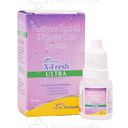
Polyethylene Glycol 0.4% w/v + Propylene Glycol 0.3% w/v
₹195
₹232
MRP ₹464
Polyethylene Glycol 0.4% w/v + Propylene Glycol 0.3% w/v
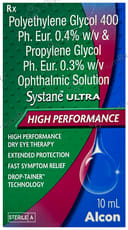
₹590
₹232
MRP ₹464
Polyethylene Glycol 0.4% w/v + Propylene Glycol 0.3% w/v
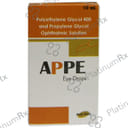
₹194
₹232
MRP ₹464
Polyethylene Glycol 0.4% w/v + Propylene Glycol 0.3% w/v
₹450
₹232
MRP ₹464
Propylene Glycol 15mg

₹390.9
₹172.5
MRP ₹345
Propylene Glycol 0.6% w/v
₹590.4
MRP ₹720
Polyethylene Glycol 0.4% w/v + Propylene Glycol 0.3% w/v
₹285
₹232
MRP ₹464
Propylene Glycol 0.6% w/v
₹719
₹590.4
MRP ₹720
Polyethylene Glycol 0.4% w/v + Propylene Glycol 0.3% w/v
₹232
MRP ₹464
Polyethylene Glycol 0.4% w/v + Propylene Glycol 0.3% w/v
₹105
₹232
MRP ₹464
Polyethylene Glycol 0.4% w/v + Propylene Glycol 0.3% w/v
₹412.5
₹232
MRP ₹464
Polyethylene Glycol 0.4% w/v + Propylene Glycol 0.3% w/v
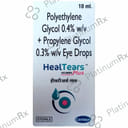
₹371.4
₹232
MRP ₹464
Propylene Glycol 15mg
₹172.5
MRP ₹345
Polyethylene Glycol 0.4% w/v + Propylene Glycol 0.3% w/v
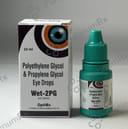
₹105.5
MRP ₹210.9
Polyethylene Glycol 0.4% w/v + Propylene Glycol 0.3% w/v
₹187.5
₹232
MRP ₹464
Polyethylene Glycol 0.4% w/v + Propylene Glycol 0.3% w/v
₹187.5
₹232
MRP ₹464
Polyethylene Glycol 0.4% w/v + Propylene Glycol 0.3% w/v
₹270.9
₹232
MRP ₹464
Polyethylene Glycol 0.4% w/v + Propylene Glycol 0.3% w/v
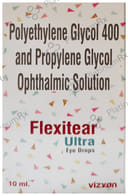
₹229.7
₹232
MRP ₹464
Polyethylene Glycol 0.4% w/v + Propylene Glycol 0.3% w/v
₹335.9
₹232
MRP ₹464
Polyethylene Glycol 0.4% w/v + Propylene Glycol 0.3% w/v
₹243.8
₹232
MRP ₹464
Polyethylene Glycol 0.4% w/v + Propylene Glycol 0.3% w/v
₹240
₹232
MRP ₹464
Polyethylene Glycol 0.4% w/v + Propylene Glycol 0.3% w/v
₹233.4
₹232
MRP ₹464
Polyethylene Glycol 0.4% + Propylene Glycol 0.3%
₹210.9

Ethyl alcohol + Perfume + Propylene glycol
₹225
Niacinamide + Propylene glycol + Sodium hyaluronate
₹2,029