


More About Triamcinolone
Quick Summary
Triamcinolone (Triamcinolone) is a corticosteroid used to reduce inflammation and allergic responses in the body. It helps relieve symptoms such as redness, swelling, itching, and pain by decreasing the activity of inflammatory pathways and the release of chemical mediators involved in immune reactions. It is used in a variety of conditions affecting the skin, joints, respiratory tract, eyes, and oral cavity. Triamcinolone is available in various formulations, including topical creams and ointments, oral tablets, inhalers, and injectable suspensions.
Detailed Description
Triamcinolone (Triamcinolone) is a corticosteroid medicine belonging to the glucocorticoid class. It is used to treat a variety of inflammatory and allergic conditions, depending on the form and route of administration.
It works by acting inside cells to reduce the production of inflammatory substances involved in immune responses. This helps decrease swelling, redness, itching, and discomfort.
In clinical practice, topical forms are used for inflammatory skin conditions such as eczema, dermatitis, and psoriasis. Injectable forms may be used for inflammation in joints such as arthritis or bursitis. Inhaled or nasal forms may be used to help control symptoms in asthma or allergic rhinitis. It may also be used for certain inflammatory conditions of the eyes or mouth.
The effect is usually local to the area being treated, although some absorption into the body can occur depending on the dose, duration, and formulation. With prolonged or high-dose use, systemic effects such as suppression of natural steroid production or increased infection risk may occur. Skin thinning can also occur with long-term topical use.
Triamcinolone should be used under medical supervision. The dose and duration depend on the condition being treated and the response to therapy. It is not intended for immediate relief in all cases, as its effects develop with continued use. If used for a long period, it should not be stopped suddenly without medical advice.
Uses of Triamcinolone
Triamcinolone may be indicated by your doctor for:
Inflammatory Skin Conditions
To treat eczema, psoriasis, and dermatitis by reducing itching and redness.
Allergic Disorders
To manage severe allergic reactions, including asthma, allergic rhinitis, and contact dermatitis.
Arthritis and Joint Pain
To reduce inflammation in joints affected by rheumatoid arthritis, osteoarthritis, or bursitis (often via injection).
Autoimmune Conditions
To manage flares in systemic lupus erythematosus (SLE) and other connective tissue disorders.
Mouth Ulcers
Specifically formulated dental pastes are used to treat painful sores in the mouth.
Ophthalmic Inflammation
To treat non-infectious inflammatory conditions affecting the eyes.
Benefits of Triamcinolone
Triamcinolone may provide benefits such as:
- Provides rapid relief from intense itching, swelling, and localised pain.
- Effectively suppresses the body’s inflammatory response across multiple organ systems.
- Offers a wide variety of delivery methods (topical, oral, injectable) for targeted or systemic treatment.
- Helps prevent tissue damage in chronic autoimmune and inflammatory diseases.
- Formulations like acetonide provide long-lasting action, especially when injected into joints.
- Minimal salt-retention effects compared to older corticosteroids.
Side Effects of Triamcinolone
Side effects vary significantly based on the dosage form and duration of use.
Common side effects may include
- Topical: Skin thinning (atrophy), burning, itching, or changes in skin colour.
- Systemic/Injectable: Increased appetite, weight gain, insomnia, and mood changes.
- Nasal/Inhalation: Nosebleeds, sore throat, or a dry cough.
Uncommon side effects may include
- Slow wound healing or increased risk of skin infections.
- "Moon face" (swelling of the face) with long-term systemic use.
- Development of stretch marks (striae) in treated skin areas.
Serious side effects (uncommon) may include
- Signs of an allergic reaction: severe rash, hives, or swelling of the face and throat.
- Systemic Risk: Increased blood pressure, elevated blood sugar, or bone thinning (osteoporosis) with prolonged use.
- Ophthalmic Risk: Increased eye pressure (glaucoma) or cataracts with prolonged use near the eyes.
Always consult your doctor if you experience severe muscle weakness, vision changes, or signs of a serious infection.
Directions for Use
Use Triamcinolone exactly as prescribed by your healthcare professional.
- Topical (Cream/Ointment): Apply a thin film to the affected area and rub in gently. Do not cover the area with a bandage unless directed by your doctor.
- Oral (Tablets): Take with food to minimise stomach upset.
- Inhalation/Nasal: Prime the device before use as instructed. Rinse your mouth after using inhalers to prevent oral thrush.
- Injectable: These must be administered by a qualified healthcare professional.
- Dental Paste: Apply a small amount to the ulcer without rubbing until a smooth, slippery film develops.
- Consistency: Use at the same time each day to maintain steady levels in the body.
- Tapering: Do not stop using systemic Triamcinolone abruptly; your doctor will provide a schedule to gradually reduce the dose.
How it works
Triamcinolone (Triamcinolone) works by inhibiting the inflammatory process at multiple levels. It enters cells and binds to glucocorticoid receptors, which then move into the nucleus to influence protein synthesis. This results in the production of lipocortins, which inhibit the enzyme phospholipase A2. By blocking this enzyme, the medication prevents the release of arachidonic acid, the precursor to potent inflammatory chemicals like prostaglandins and leukotrienes. Additionally, it reduces the migration of white blood cells to the site of inflammation and decreases capillary permeability, which reduces swelling and redness.
Safety Advice for Triamcinolone

Pregnancy
Caution
Corticosteroids like triamcinolone may be used during pregnancy only if clearly needed. The risk depends on dose, duration, and route of administration. Long-term or high-dose systemic use should be carefully evaluated.

Breastfeeding
Caution
Small amounts may pass into breast milk with systemic use. Topical use should avoid the breast area to prevent infant exposure.

Driving
Caution
Most topical and local uses do not affect driving. However, systemic forms (oral/injectable) may occasionally cause dizziness, mood changes, or vision disturbances in some individuals.

Liver
Caution
Long-term or high-dose systemic use may require monitoring, especially in patients with existing liver conditions. Topical use has minimal systemic impact.

Kidney
Caution
Prolonged systemic corticosteroid use may require monitoring in patients with kidney disease, depending on dose and duration.

Alcohol
Caution
No direct interaction, but alcohol may worsen side effects such as stomach irritation, mood changes, or fluid retention with systemic corticosteroid use.
Quick Tips for Triamcinolone
- Do not apply topical formulations to the face, groin, or underarms for long periods unless specifically directed, as these areas have thinner skin.
- If using the dental paste, apply it at bedtime to allow the medication to remain in contact with the ulcer overnight.
- Avoid contact with people who have active infections like chickenpox or measles, as corticosteroids can weaken your immune response.
- For joint injections, rest the joint for at least 24–48 hours after the procedure to allow the medication to work effectively.
- Always inform your doctor or dentist that you are using Triamcinolone before any surgical procedures.
Storage Advice
- Store at room temperature in a cool, dry place.
- Keep the container tightly closed.
- Do not freeze injectable or topical formulations.
- Protect from direct light and heat.
- Keep out of the reach of children and pets.
Drug-Food Interaction
- Grapefruit Juice (CAUTION): May increase the blood levels of systemic Triamcinolone, potentially increasing side effects.
- Sodium/Salt (ADVICE): Limit salt intake if you notice swelling or increased blood pressure while taking oral forms.
Interactions with Other Drugs
- NSAIDs (e.g., Ibuprofen, Aspirin): Increased risk of stomach ulcers and bleeding when taken with oral Triamcinolone.
- Diabetes Medications: The dosage of insulin or oral antidiabetics may need to be adjusted as steroids raise blood sugar.
- Live Vaccines: Avoid live vaccines (like MMR or Yellow Fever) while on high-dose systemic therapy, as the vaccine may be less effective or cause illness.
Drug-Disease Interactions
- Systemic Fungal Infections (SEVERE): Do not use systemic Triamcinolone if you have a widespread fungal infection.
- Diabetes (CAUTION): Corticosteroids can raise blood sugar levels; close monitoring is required.
- Peptic Ulcers (CAUTION): May worsen stomach ulcers or cause gastrointestinal bleeding.
Overdose
A single large dose is unlikely to cause life-threatening symptoms. However, chronic overuse can lead to systemic steroid complications like Cushing’s syndrome (thin skin, easy bruising, increased body fat). If swallowed or if someone experiences severe symptoms after an injection, seek emergency medical attention.
What If You Forget to take Triamcinolone?
If you miss a dose, take it as soon as you remember. If it is almost time for your next dose, skip the missed one. Do not double the dose to make up for a missed application or tablet.
Fact Box
Therapeutic Class
Anti-inflammatory / Immunosuppressant
Action Class
Glucocorticoid Receptor Agonist
Chemical Class
Corticosteroid
Habit Forming
No
Checkout Editorial Policy
Related Medications

Triamcinolone 40mg
₹88
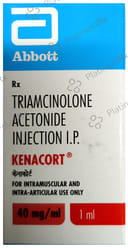
₹72
MRP ₹144
Triamcinolone 4mg
₹55
₹60.5
MRP ₹110
Triamcinolone 10mg
₹99
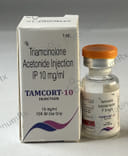
₹41.6
MRP ₹73
Triamcinolone 10mg
₹59
₹41.6
MRP ₹73
Triamcinolone 40mg
₹154
₹72
MRP ₹144
Triamcinolone 40mg
₹99
₹72
MRP ₹144
Triamcinolone 40mg
₹86.5
₹72
MRP ₹144
Triamcinolone 10mg
₹79.7
₹41.6
MRP ₹73
Triamcinolone 10mg
₹89.2
₹41.6
MRP ₹73
Triamcinolone 40mg
₹72
MRP ₹144
Triamcinolone 40mg
₹86
₹72
MRP ₹144
Triamcinolone 40mg
₹94.7
₹72
MRP ₹144
Triamcinolone 4mg
₹75
₹60.5
MRP ₹110
Triamcinolone 40mg
₹86.5
₹72
MRP ₹144
Triamcinolone 40mg
₹95
₹72
MRP ₹144
Triamcinolone 40mg
₹55
₹72
MRP ₹144
Triamcinolone 40mg
₹127
₹72
MRP ₹144
Triamcinolone 40mg
₹95
₹72
MRP ₹144
Triamcinolone 40mg
₹75
₹72
MRP ₹144
Triamcinolone 40mg
₹85
₹72
MRP ₹144
Triamcinolone 40mg
₹81
₹72
MRP ₹144
Triamcinolone 40mg
₹140
₹72
MRP ₹144
Triamcinolone 4mg
₹60.5
MRP ₹110
Triamcinolone
₹35.9

Triamcinolone
₹31.2