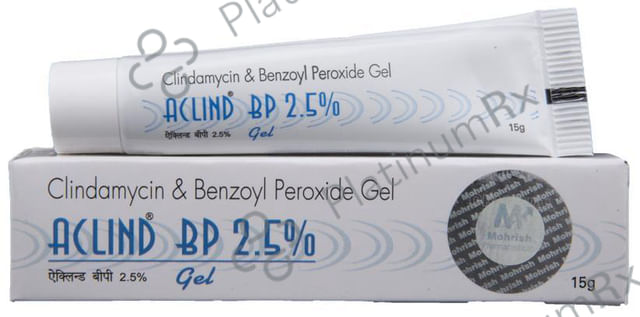
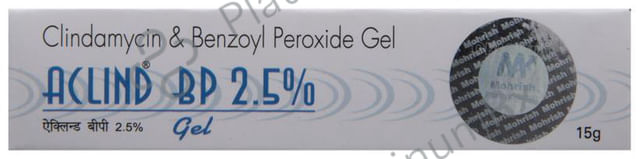
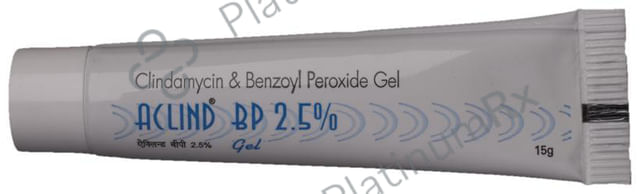
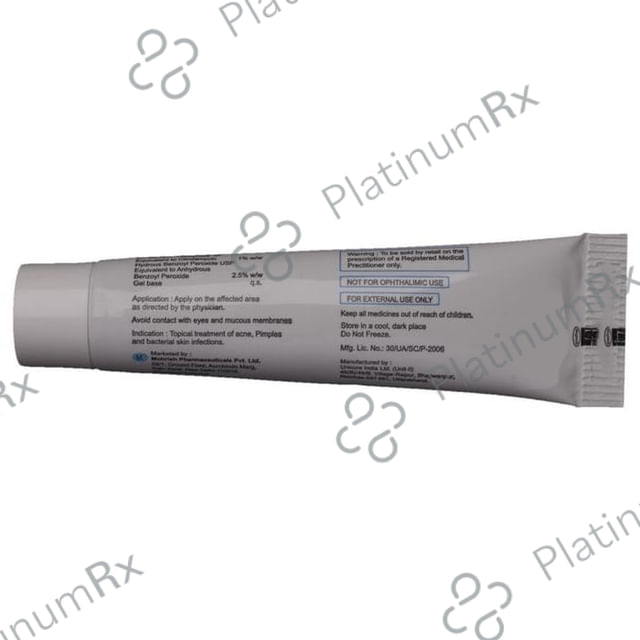
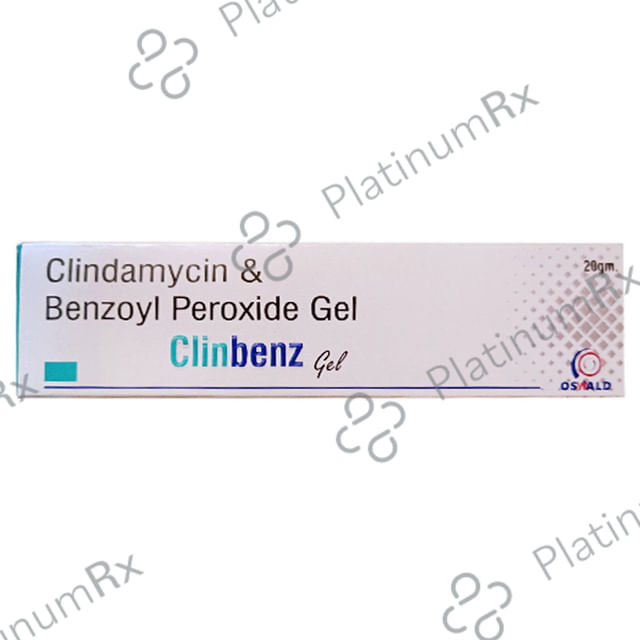
Aclind BP 2.5% Gel 15gm

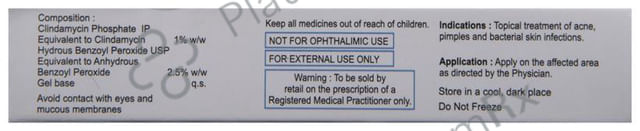
Aclind BP 2.5% Gel 15gm contains Benzoyl Peroxide and Clindamycin, a fixed-dose topical combination widely used in the treatment of acne vulgaris. Benzoyl Peroxide is a keratolytic and antibacterial agent that helps reduce excess oil, clears blocked pores, and kills acne-causing bacteria, while Clindamycin is a lincosamide antibiotic that inhibits bacterial protein synthesis and reduces inflammation associated with acne lesions. Together, they act synergistically to control both inflammatory and non-inflammatory acne lesions, making this combination highly effective for mild to moderate acne. Always use Aclind BP 2.5% Gel 15gm exactly as directed by your doctor.
Written by: Srishti Bhukta, B. Pharma
Reviewed by: Dr. Varinderjeet Kaur, MBBS
Last updated on: 07-05-2026
Delivery by
...

WHO GMP Certified
Long Expiry (>8 Months)
15 Days Easy Returns
Medicine Comparison

Genuine Medicine
Pay On Delivery
Secure Payment

LegitScript Certified Online Pharmacy


View content in
 English
Quick Summary
Aclind BP 2.5% Gel 15gm contains Benzoyl Peroxide and Clindamycin, a fixed-dose topical combination widely used in the treatment of acne vulgaris. Benzoyl Peroxide is a keratolytic and antibacterial agent that helps reduce excess oil, clears blocked pores, and kills acne-causing bacteria, while Clindamycin is a lincosamide antibiotic that inhibits bacterial protein synthesis and reduces inflammation associated with acne lesions. Together, they act synergistically to control both inflammatory and non-inflammatory acne lesions, making this combination highly effective for mild to moderate acne. Always use Aclind BP 2.5% Gel 15gm exactly as directed by your doctor.
Detailed Description
Aclind BP 2.5% Gel 15gm contains Benzoyl Peroxide and Clindamycin Phosphate, a dual-action dermatological combination specifically designed to treat acne vulgaris by targeting multiple pathogenic mechanisms involved in acne development. Benzoyl Peroxide is an oxidising agent with potent antibacterial activity against Cutibacterium acnes (formerly Propionibacterium acnes), the bacteria implicated in acne formation. It also has mild keratolytic and comedolytic effects, helping remove dead skin cells, unclog pores, and reduce sebum accumulation.
Clindamycin Phosphate is a topical antibiotic belonging to the lincosamide class. Once applied to the skin, it is converted to active clindamycin, which inhibits bacterial protein synthesis by binding to the 50S ribosomal subunit of susceptible bacteria. This reduces bacterial colonisation and decreases inflammatory mediators within acne lesions.
The combination of Benzoyl Peroxide and Clindamycin offers an important therapeutic advantage because Benzoyl Peroxide helps reduce the risk of bacterial resistance that may develop with antibiotic monotherapy. This combination is commonly prescribed for inflammatory acne involving papules, pustules, and comedones, particularly on the face, chest, and back.
Aclind BP 2.5% Gel 15gm is available as a topical gel for external use only and is generally applied once or twice daily depending on clinical severity and skin tolerance. Regular and consistent use is essential for optimal benefit.
Uses of Aclind BP 2.5% Gel 15gm
The uses of Aclind BP 2.5% Gel 15gm are as follows:
Acne Vulgaris
Treatment of mild to moderate inflammatory acne involving papules, pustules, and comedones.
Comedonal Acne
Helps reduce blackheads and whiteheads by unclogging pores.
Inflammatory Acne
Controls redness, swelling, and bacterial growth in inflamed lesions.
Acne on Face, Chest and Back
Suitable for localised acne affecting multiple body areas.
Prevention of New Acne Lesions
Regular use reduces recurrence of new breakouts.
Adjunctive Acne Therapy
May be combined with other acne medicines under medical supervision.
Benefits of Aclind BP 2.5% Gel 15gm
Here are the benefits of Aclind BP 2.5% Gel 15gm:
- Dual Mechanism Against Acne: Benzoyl Peroxide reduces oil and kills acne-causing bacteria, while Clindamycin suppresses bacterial multiplication and inflammation, providing comprehensive acne control.
- Reduces Antibiotic Resistance Risk: Benzoyl Peroxide lowers the chance of bacterial resistance developing against Clindamycin, making long-term treatment more effective.
- Improves Inflammatory Lesions: Helps reduce redness, tenderness, and pus-filled acne lesions.
- Clears Blocked Pores: Benzoyl Peroxide helps remove dead skin cells and excess oil, reducing comedone formation.
- Supports Better Skin Texture: Regular treatment gradually improves skin clarity and reduces acne recurrence.
Side Effects of Aclind BP 2.5% Gel 15gm
Like all medicines, Aclind BP 2.5% Gel 15gm may cause side effects in some individuals, although many people tolerate it well. Most side effects are mild and improve as the skin adapts.
Common Side Effects
- Skin Dryness: Mild dryness and peeling are common during early treatment.
- Redness: Temporary redness or irritation may occur after application.
- Burning or Stinging Sensation: Mild discomfort may occur immediately after use.
- Itching: Local itching can occur in sensitive skin.
- Peeling of Skin: Increased exfoliation may be noticed.
Uncommon Side Effects
- Excessive Irritation: More pronounced redness or discomfort in sensitive skin.
- Contact Dermatitis: Allergic skin reaction with itching and rash.
Serious Side Effects (Require Immediate Medical Attention)
- Severe Allergic Reaction: Swelling, severe itching, rash, or breathing difficulty.
- Severe Colitis (Rare): Persistent diarrhoea or abdominal cramps due to clindamycin absorption.
- Always consult your doctor if you notice any unusual symptoms while taking Aclind BP 2.5% Gel 15gm.
Directions for Use
To ensure maximum benefit and minimise irritation, Aclind BP 2.5% Gel 15gm should be used correctly.
- Wash and dry the affected area gently before application.
- Apply a thin layer over the affected acne-prone area.
- Use only the prescribed amount; excessive application increases irritation.
- Avoid contact with eyes, lips, nostrils, and broken skin.
- Wash hands after application.
- Usually applied once daily initially, then adjusted based on tolerance.
- Use sunscreen during daytime as skin may become more sensitive to sunlight.
- Do not cover with airtight dressings unless advised by your doctor.
How it works
Aclind BP 2.5% Gel 15gm works through two complementary pharmacological actions.
Benzoyl Peroxide penetrates the follicular canal and releases free radical oxygen species that oxidise bacterial proteins, rapidly killing Cutibacterium acnes. It also exerts keratolytic action, helping loosen dead skin cells and reducing follicular plugging.
Clindamycin inhibits bacterial protein synthesis by binding to the 50S ribosomal subunit, preventing bacterial multiplication and reducing inflammatory mediator production within acne lesions.
Together, these actions reduce bacterial load, inflammation, and pore blockage, addressing the major pathological factors involved in acne formation.
Safety Advice for Aclind BP 2.5% Gel 15gm

Alcohol
Safe
No direct interaction with alcohol is known.

Pregnancy
Caution
CONSULT YOUR DOCTOR: Use only if clearly needed under medical supervision.

Breastfeeding
Caution
CONSULT YOUR DOCTOR: Avoid applying near the breast area.

Driving
Safe
Does not affect alertness or concentration.

Liver
Safe
Minimal systemic absorption in topical use.
Quick Tips for Aclind BP 2.5% Gel 15gm
- Apply only on clean, dry skin.
- Start with once-daily application if skin is sensitive.
- Avoid harsh scrubs or alcohol-based skincare products.
- Use a non-comedogenic moisturiser if dryness occurs.
- Do not squeeze acne lesions.
- Continue treatment regularly even if improvement is gradual.
- Avoid excessive sun exposure.
Storage Advice
- Store in a cool, dry place below 25°C.
- Keep away from direct sunlight and heat.
- Do not freeze.
- Keep out of reach of children.
- Close the tube tightly after use.
- Do not use after expiry date.
Drug-Food Interaction
Aclind BP 2.5% Gel 15gm does not have clinically significant food interactions because it is applied topically. However:
- Maintain good hydration for skin health.
- Avoid oily cosmetic products that may worsen acne.
Interactions with Other Drugs
Benzoyl Peroxide + Clindamycin may interact with:
- Topical Retinoids (e.g. tretinoin): Increased irritation if applied together.
- Other Topical Antibiotics: May increase skin dryness.
- Abrading Agents: Increase irritation risk.
- Sulphur-containing Products: May alter skin colour temporarily.
- Erythromycin: May antagonise clindamycin action.
Drug-Disease Interactions
Aclind BP 2.5% Gel 15gm should be used carefully in:
- Eczema: May worsen irritation.
- Sensitive Skin Disorders: Increased redness may occur.
- Inflammatory Bowel Disease: Topical clindamycin should be used cautiously in susceptible individuals.
Daily Dose
The dose depends on acne severity and skin tolerance. Usually, a thin layer is applied once daily initially, which may be increased to twice daily if advised by the doctor. Always follow medical instructions carefully.
What If You Forget to take Aclind BP 2.5% Gel 15gm?
If you miss an application, apply it as soon as you remember unless it is nearly time for the next scheduled application. Do not apply extra medicine to make up for the missed dose.
FAQ
Fact Box
Therapeutic Class
Dermatology / Anti-acne
Action Class
Keratolytic + Topical Antibiotic
Chemical Class
Oxidising Agent + Lincosamide Antibiotic
Habit Forming
No
Disclaimer
PlatinumRx is committed to providing reliable and accurate information to support informed customer decisions. However, all information made available on the Platform, including product descriptions, comparisons, and other content, is provided solely for general informational purposes. Such information is not intended to diagnose, prevent, treat, or cure any medical condition, nor should it be relied upon as a substitute for professional medical advice, diagnosis, or treatment.

Customers also bought

Health Articles


More Medicines By Manufacturer
More Medicines With Salt
Top Selling Medicines
Top Selling Devices