Dalacin C 300mg Injection 2ml

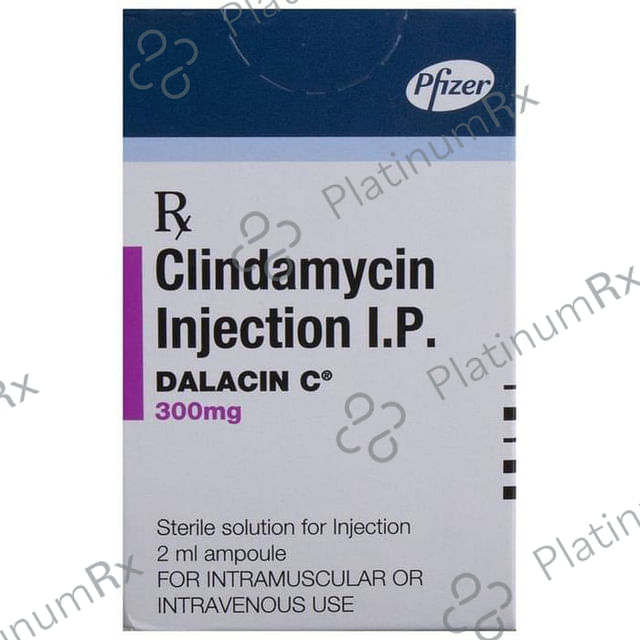
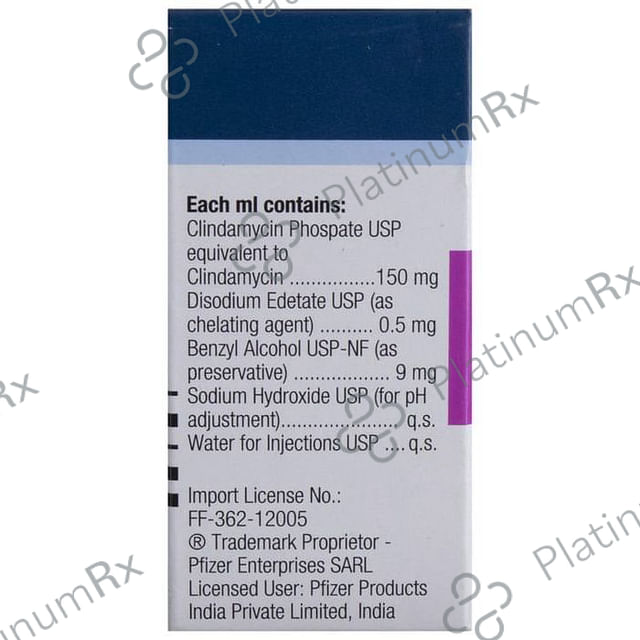
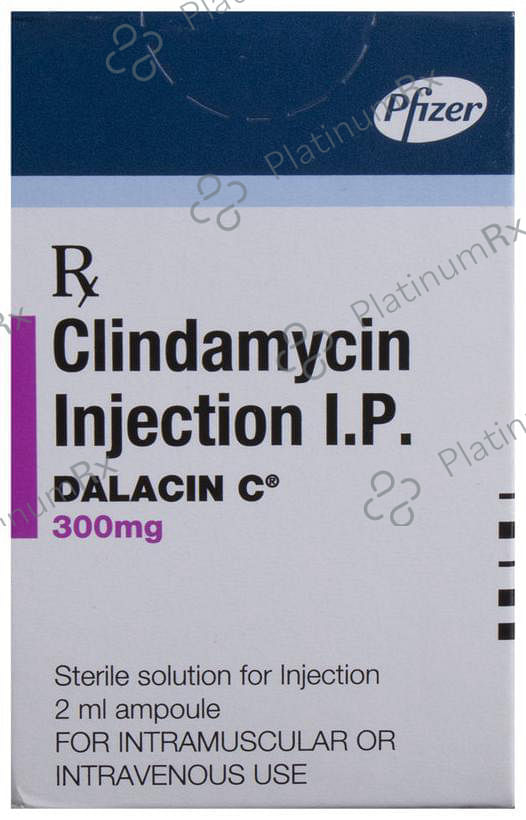
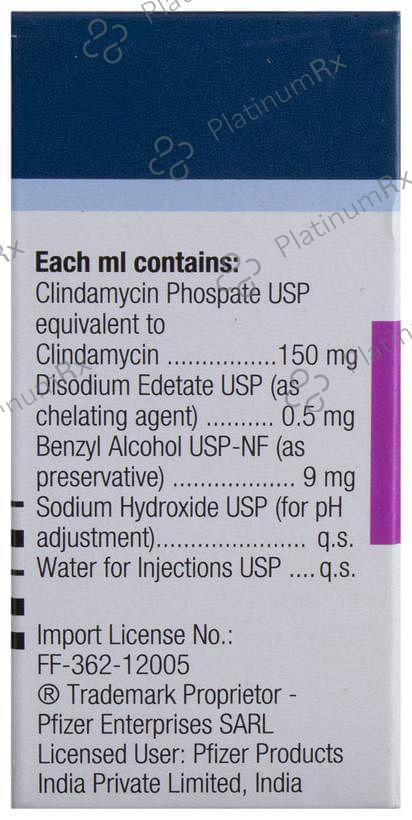
Dalacin C 300mg Injection 2ml is a prescription antibiotic injection containing clindamycin, along with disodium edetate as a stabilising agent. It is used to treat serious bacterial infections caused by organisms that are sensitive to clindamycin, including certain anaerobic bacteria and some Gram-positive bacteria. It is usually given in a hospital or clinical setting when oral antibiotics are not suitable or when a patient needs injectable treatment.
Written by: Syed Jommy Abbas, B. Pharma
Reviewed by: Dr. Rohit Kolhe, MBBS
Last updated on: 03-06-2026
Delivery by
...

WHO GMP Certified
Long Expiry (>8 Months)
General Information

Genuine Medicine
Pay On Delivery
Secure Payment

LegitScript Certified Online Pharmacy

More About Dalacin C 300mg Injection 2ml
Quick Summary
Dalacin C 300mg Injection 2ml is a prescription antibiotic injection containing clindamycin, along with disodium edetate as a stabilising agent. It is used to treat serious bacterial infections caused by organisms that are sensitive to clindamycin, including certain anaerobic bacteria and some Gram-positive bacteria. It is usually given in a hospital or clinical setting when oral antibiotics are not suitable or when a patient needs injectable treatment.
Detailed Description
Dalacin C 300mg Injection 2ml is an injectable antibiotic that contains clindamycin phosphate. Disodium edetate is included in the formulation as a stabilising agent. Clindamycin belongs to the lincosamide class of antibiotics and is used to treat serious bacterial infections caused by susceptible anaerobic bacteria and certain Gram-positive organisms.
It is used in hospital and clinical settings to treat infections of the skin and soft tissues, respiratory tract, bones and joints, and infections within the abdomen or pelvis. It may also be used in bloodstream infections (sepsis) when the infecting bacteria are likely to be sensitive to clindamycin. It is not suitable for infections of the brain or spinal cord because it does not reach effective levels in cerebrospinal fluid.
The injection is given by a doctor or trained healthcare professional, either into a vein or into a muscle. The dose and duration of treatment depend on the type and severity of infection, the patient’s age, and their kidney and liver function. When given intravenously, it is administered slowly to reduce the risk of irritation and infusion-related reactions.
Dalacin C 300mg Injection 2ml is generally well tolerated. Some people may experience nausea, vomiting, or diarrhoea. Injection site pain or irritation may also occur. Less commonly, it can affect liver function tests or cause allergic reactions. Doctors monitor patients during treatment and adjust therapy if needed. Any persistent or severe symptoms should be reported promptly to a healthcare professional.
Uses of Dalacin C 300mg Injection 2ml
Dalacin C 300mg Injection 2ml is used as a supportive aid or primary treatment for serious infections caused by susceptible bacteria, including:
Serious Bacterial Infections
Treatment of infections caused by susceptible bacteria, especially when symptoms such as fever, pain, swelling, redness, or pus formation are present and injectable antibiotic therapy is required.
Respiratory Tract Infections
Management of conditions such as pneumonia, lung abscesses, or other infections of the chest caused by anaerobic or Gram‑positive organisms.
Skin and Soft Tissue Infections
Used for cellulitis, abscesses, wound infections, and other soft tissue infections where oral therapy is not suitable.
Bone and Joint Infections
Effective in treating osteomyelitis and septic arthritis caused by susceptible bacteria.
Intra‑abdominal and Pelvic Infections
Prescribed for infections such as peritonitis, endometritis, or pelvic abscesses.
Septicemia (Bloodstream Infections)
Used in the treatment of serious bloodstream infections due to susceptible organisms.
Benefits of Dalacin C 300mg Injection 2ml
Dalacin C 300mg Injection 2ml provides specific clinical advantages for treating severe illnesses:
- Provides antibiotic treatment for serious infections when oral therapy is not possible.
- Covers a range of infections, including respiratory, skin, bone, joint, abdominal, pelvic, and bloodstream infections caused by susceptible bacteria.
- Can be given by injection (IM or IV), which allows treatment in patients unable to take medicines by mouth.
- Administered under medical supervision, ensuring dosing and monitoring are tailored to the patient’s condition.
Side Effects of Dalacin C 300mg Injection 2ml
Common side effects of Dalacin C 300mg Injection 2ml may include
- Pain or irritation at the injection site: Mild soreness or redness where the injection is given.
- Diarrhea: Loose stools that may occur during treatment.
- Nausea or vomiting: Feeling sick or being sick after receiving the medicine.
Uncommon side effects of Dalacin C 300mg Injection 2ml may include
- Changes in liver function tests: Detected during routine blood monitoring.
- Skin rash: Mild allergic skin reaction, such as itching or redness.
Serious side effects that require medical attention may include
- Severe diarrhea or abdominal pain: Could be a sign of antibiotic‑associated colitis.
- Allergic reaction: Sudden rash, itching, swelling of the face or throat, or difficulty breathing.
- Heart rhythm changes: Irregular heartbeat or palpitations that feel unusual.
Consult your doctor if you experience any unusual, severe, or persistent symptoms while using Dalacin C 300mg Injection 2ml.
Directions for Use
Dalacin C 300mg Injection 2ml is given only under medical supervision in a hospital or clinic. It is not suitable for self‑administration.
- The medicine is injected either into a muscle (intramuscular) or into a vein (intravenous). Intravenous doses are diluted and infused slowly to reduce the chance of irritation or side effects.
- The dose and frequency depend on the type and severity of infection, the patient’s age, weight, and overall health. Your doctor will decide the most appropriate schedule.
- During treatment, your healthcare team may carry out blood tests or other checks to monitor how well the medicine is working and to watch for any unwanted effects.
- It is important to complete the full course as prescribed, even if symptoms improve, to ensure the infection is properly treated.
How it works
Dalacin C 300mg Injection 2ml contains clindamycin phosphate, which is converted in the body to its active form, clindamycin. It belongs to the lincosamide group of antibiotics.
Clindamycin works by binding to the 50S subunit of bacterial ribosomes. This blocks bacterial protein synthesis, which is needed for growth and multiplication. As a result, susceptible bacteria are unable to grow properly, allowing the body’s immune system to control and clear the infection.
It is active against many anaerobic bacteria and certain Gram-positive organisms, including Staphylococcus and Streptococcus species. It has no activity against viral infections.
Clindamycin does not reach effective levels in cerebrospinal fluid, so it is not used for infections of the central nervous system.
Safety Advice for Dalacin C 300mg Injection 2ml

Allergy
Unsafe
Dalacin C 300mg Injection 2ml should not be used in patients with known allergy to clindamycin, lincomycin, disodium edetate (EDTA), or any ingredient in the injection. Seek immediate medical attention if rash, swelling, or breathing difficulty occurs.

Breastfeeding
Caution
Clindamycin may pass into breast milk and could affect the infant’s stomach or bowel flora. Dalacin C 300mg Injection 2ml should be used during breastfeeding only if prescribed by a doctor

Pregnancy
Caution
Dalacin C 300mg Injection 2ml should be used during pregnancy only when clearly needed and under medical supervision. Clinical use of clindamycin during pregnancy may be considered in certain infections when the benefits outweigh the risks

Driving
Caution
Dalacin C 300mg Injection 2ml may occasionally cause dizziness or weakness in some patients. Avoid driving or operating machinery if you feel unwell after receiving the injection.

Alcohol
Caution
Alcohol may worsen stomach irritation or increase the likelihood of gastrointestinal side effects during antibiotic treatment. Limiting alcohol intake is advisable.

Liver
Caution
Clindamycin is metabolized mainly in the liver. Patients with liver disease may require careful monitoring during treatment, especially with prolonged use.

Kidney
Caution
Patients with severe kidney impairment should use Dalacin C 300mg Injection 2ml cautiously, particularly during prolonged therapy or repeated dosing.

Children
Caution
Dalacin C 300mg Injection 2ml should be used in children only under medical supervision, with doses adjusted according to age and body weight

Elderly patients
Caution
Older adults may have a higher risk of antibiotic-associated diarrhea or colitis during treatment with Dalacin C 300mg Injection 2ml. Careful monitoring may be needed.
Quick Tips for Dalacin C 300mg Injection 2ml
- Always complete the full course of antibiotic treatment exactly as prescribed by your doctor, even if you begin to feel better after the first few doses. Stopping early can allow the infection to return or lead to antibiotic resistance.
- Inform your doctor if you have a personal history of stomach or intestinal diseases, especially conditions like colitis.
Storage Advice
- Store injection vials or ampoules at controlled room temperature and keep them away from heat, freezing, and moisture.
- Protect from light by keeping the medicine in its original carton until it is prepared for use.
- Inspect the solution before administration and discard immediately if it appears cloudy, discolored, or contains particles.
- Keep all supplies out of reach of children and pets.
Drug-Food Interaction
- General Diet (Safe): Normal everyday meals, foods, and beverages do not interfere with the performance of Dalacin C 300mg Injection 2ml, as it is given via injection and bypasses your digestive tract.
Interactions with Other Drugs
- Neuromuscular Blocking Agents (Caution): Clindamycin can enhance the effects of muscle-relaxing medicines used during anesthesia. Tell your doctor or anesthesiologist if you are scheduled for a surgical procedure.
- Erythromycin and Macrolide Antibiotics (Caution): Erythromycin works at the same exact site inside bacterial cells as clindamycin. Taking them together may reduce the effectiveness of both medications, so co-administration is generally avoided.
- Oral Typhoid Vaccine (Unsafe): This systemic antibiotic can reduce the effectiveness of live oral typhoid vaccines. You should generally complete your antibiotic course before taking live oral bacterial vaccines.
Drug-Disease Interactions
- Gastrointestinal Disease (Caution): Use with extreme caution if you have a history of inflammatory bowel diseases, such as ulcerative colitis or regional enteritis, as the risk of serious antibiotic-related colon inflammation is higher.
- Asthma (Caution): Individuals with a history of significant atopic conditions or asthma should be monitored carefully for unexpected allergic hypersensitivity reactions during administration.
What If You Forget to take Dalacin C 300mg Injection 2ml?
Because this medication is scheduled and administered directly by doctors within a hospital or clinic setting, missing a scheduled dose is highly unlikely.
FAQ
Fact Box
Therapeutic Class
Anti-infectives / systemic antibiotics
Action Class
Bacterial protein synthesis inhibitor (50S ribosomal subunit inhibitor)
Chemical Class
Lincosamide antibiotic
Habit Forming
No
Disclaimer
PlatinumRx is committed to providing reliable and accurate information to support informed customer decisions. However, all information made available on the Platform, including product descriptions, comparisons, and other content, is provided solely for general informational purposes. Such information is not intended to diagnose, prevent, treat, or cure any medical condition, nor should it be relied upon as a substitute for professional medical advice, diagnosis, or treatment.

Customers also bought



Health Articles








More Medicines By Manufacturer
More Medicines With Salt
Top Selling Medicines
Top Selling Devices