Episcale CN Gel 15gm

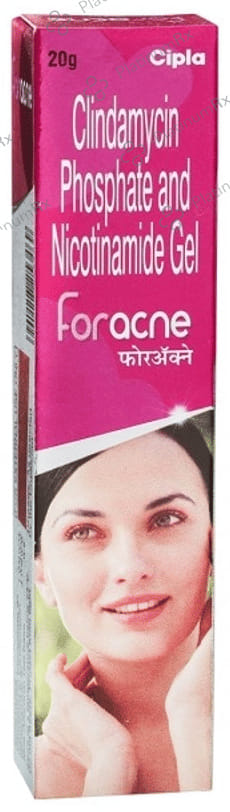
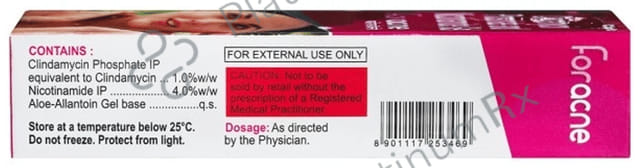
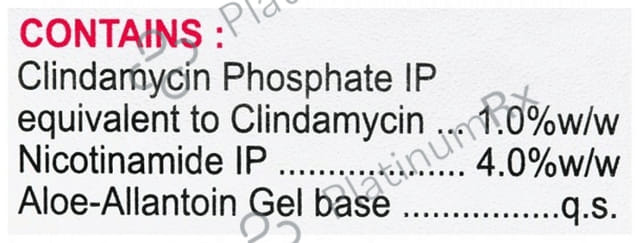
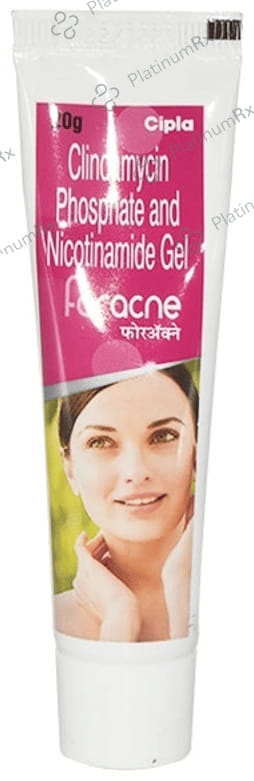
Episcale CN Gel 15gm is a topical gel combining two active ingredients: Clindamycin 1% w/w, an antibiotic, and Vitamin B3 (Niacinamide) 4% w/w, a potent anti-inflammatory agent. This combination is specifically designed for the treatment of acne vulgaris (pimples, blackheads, and whiteheads). Clindamycin targets the acne-causing bacteria (P. acnes) to reduce inflammation and infection, while Niacinamide helps minimise redness, improve the skin barrier, and reduce sebum (oil) production, offering a complementary effect for clearer, healthier skin.
Last updated on: 19-05-2026
Delivery by
...

WHO GMP Certified
Long Expiry (>8 Months)
15 Days Easy Returns
Medicine Comparison

Genuine Medicine
Pay On Delivery
Secure Payment

LegitScript Certified Online Pharmacy
More About Episcale CN Gel 15gm
Quick Summary
Episcale CN Gel 15gm is a topical gel combining two active ingredients: Clindamycin 1% w/w, an antibiotic, and Vitamin B3 (Niacinamide) 4% w/w, a potent anti-inflammatory agent. This combination is specifically designed for the treatment of acne vulgaris (pimples, blackheads, and whiteheads). Clindamycin targets the acne-causing bacteria (P. acnes) to reduce inflammation and infection, while Niacinamide helps minimise redness, improve the skin barrier, and reduce sebum (oil) production, offering a complementary effect for clearer, healthier skin.
Detailed Description
Episcale CN Gel 15gm is a topical dermatological preparation that combines Clindamycin, a lincosamide antibiotic, with Niacinamide (Vitamin B3), an anti-inflammatory and skin-soothing ingredient. This dual-action formulation is primarily indicated for the treatment of acne vulgaris and related skin conditions.
Clindamycin works by inhibiting bacterial protein synthesis, thereby reducing the growth of Propionibacterium acnes (the bacteria associated with acne). By lowering bacterial load and inflammation, it helps prevent the formation of new lesions. Niacinamide complements this action by reducing redness, swelling, and sebum production, while also improving skin barrier function.
Together, these agents provide a synergistic effect: antibacterial, anti-inflammatory, and comedolytic activity, making Episcale CN Gel 15gm effective in reducing both inflammatory and non-inflammatory acne lesions.
The gel is applied directly to the affected area, ensuring localised action with minimal systemic absorption. This makes it generally safe for long-term use under medical supervision. Patients are advised to use the medication consistently, avoid excessive sun exposure, and follow proper skincare routines to maximise therapeutic benefit.
Episcale CN Gel 15gm is well tolerated, though mild side effects such as dry skin, irritation, or redness may occur. It is important to consult a doctor for use during pregnancy or breastfeeding.
Uses of Episcale CN Gel 15gm
Episcale CN Gel 15gm is indicated for the topical treatment of:
- Mild to moderate acne vulgaris.
- Inflammatory acne lesions such as papules and pustules.
- Non-inflammatory acne lesions, including blackheads and whiteheads.
- Redness, swelling, and irritation associated with acne.
- Excess sebum production contributing to acne formation.
- As an adjunct therapy in combination with other systemic or topical anti-acne agents, when prescribed by a physician.
Benefits of Episcale CN Gel 15gm
Episcale CN Gel 15gm provides several therapeutic advantages in the management of acne vulgaris:
Dual mechanism of action: Combines Clindamycin, an antibiotic that reduces acne-causing bacteria, with Niacinamide, which decreases inflammation and regulates sebum production.
Effective lesion control: Helps clear both inflammatory lesions (papules, pustules) and non-inflammatory lesions (blackheads, whiteheads).
Reduces redness and irritation: Niacinamide improves skin appearance by minimising swelling, tenderness, and erythema.
Oil Control: Normalises excess oil secretion, reducing clogged pores and preventing new breakouts.
Better Compliance: Easy-to-apply gel formulation supports patient adherence and tolerability.
Resistance management: Combination therapy may lower the risk of bacterial resistance compared to clindamycin monotherapy.
Side Effects of Episcale CN Gel 15gm
Episcale CN Gel 15gm is generally well tolerated, but some side effects may occur as the skin adjusts to the medication. Most are mild and transient, primarily affecting the application site.
Common Side Effects (Typically mild and localised)
Dry skin and Peeling
Erythema (Redness) and Irritation: A temporary stinging, burning, or itching sensation at the application site.
Oily Skin: In rare cases, some users may report an increase in perceived oiliness (seborrhea) during the initial treatment phase.
Serious Side Effects (Require immediate medical attention)
Pseudomembranous Colitis (Severe Diarrhoea): Although very rare with topical Clindamycin due to minimal systemic absorption, this is the most serious potential side effect. It is characterised by persistent, severe, or bloody diarrhoea, accompanied by abdominal cramps or fever. Immediate discontinuation and medical consultation are required.
Severe Allergic Reactions/Angioedema: Signs of a severe allergy include difficulty breathing or swallowing, swelling of the face, lips, tongue, or throat, or widespread, severe rash or hives.
Folliculitis: An increase in inflammation around the hair follicles, which may appear as pus-filled bumps.
If any severe or persistent symptoms occur, consult a healthcare provider promptly.
Directions for Use
to Use / Directions for Use of Episcale CN Gel 15gm
Frequency: Apply a thin layer of the gel to the affected area, usually once or twice daily, or as directed by your dermatologist.
Preparation: Before applying, gently wash the skin with a mild cleanser and pat it completely dry.
Application: Apply a pea-sized amount of gel to cover the entire affected area (not just the individual pimples). Wash your hands immediately after application.
Avoid: Do not apply the gel near the eyes, mouth, or mucous membranes.
Duration: Continuous use is required for visible results, which may take several weeks. Do not use this medication for longer than prescribed by your doctor to minimise the risk of antibiotic resistance.
How it works
Episcale CN Gel 15gm utilises two distinct mechanisms to fight acne:
- Anti-Bacterial Action (Clindamycin): Clindamycin is a lincosamide antibiotic. It penetrates the follicular unit where C. acnes bacteria live. It binds to the 50S subunit of the bacteria's ribosome, thereby inhibiting the synthesis of proteins essential for bacterial growth and division. This rapidly reduces the population of C. acnes, which decreases the production of inflammatory byproducts.
- Anti-Inflammatory & Sebum Control Action (Niacinamide): Niacinamide acts as a precursor to essential cofactors (NAD and NADP) in cellular metabolism. Its key actions in acne treatment include:
Reducing Inflammation: It modulates the signalling pathways that cause redness and swelling in the skin.
Decreasing Sebum: It helps reduce the amount of oil produced and excreted by the sebaceous glands, leading to fewer blocked pores.
Barrier Function: It supports the skin’s natural lipid barrier, improving the skin's tolerance to topical treatments.
Safety Advice for Episcale CN Gel 15gm

Pregnancy
Caution
CONSULTATION REQUIRED. Limited human data are available. Topical clindamycin is generally considered low risk, but its safety during pregnancy is not fully established. Inform your doctor if pregnant or planning to conceive; alternative treatments may be considered.

Breastfeeding
Caution
CONSULTATION REQUIRED. Small amounts of clindamycin may be absorbed and pass into breast milk. The doctor will weigh the benefits for the mother against any potential risks to the nursing infant. Avoid application on or near the breast area.

Alcohol
Safe
As Acnesol NC Gel is applied externally, alcohol consumption does not interfere with its safety or effectiveness.

Driving
Safe
Topical use does not impair alertness, coordination, or reaction time. Driving and operating machinery are not affected.

Liver
Safe
Since Acnesol NC Gel is applied to the skin, systemic absorption is minimal. No dose adjustment is typically required in kidney or liver impairment, but consult your doctor if you have severe conditions.
Quick Tips for Episcale CN Gel 15gm
- Consistency is Key: Apply the gel consistently every day for several weeks to see a noticeable reduction in acne. Do not stop abruptly without medical advice.
- Less is More: Use a thin layer; applying too much will not clear acne faster but will increase dryness and irritation.
- Moisturise: Use a light, non-comedogenic (won't clog pores) moisturiser as needed to combat dryness caused by the treatment.
- Protect from Sun: While this product does not cause severe phototoxicity like some other acne medications, sun exposure can worsen inflammation. Use sunscreen daily.
Storage Advice
Store the gel at room temperature, below 30 °C (86 °F).
Do not freeze the gel.
Keep the tube tightly closed and out of the reach of children.
Do not use the medication past the expiry date.
Drug-Food Interaction
Due to its topical route of administration, the systemic absorption of both Clindamycin and Niacinamide from the gel is minimal. Therefore, no significant or clinically relevant drug-food interactions are expected with Episcale CN Gel 15gm. It can be applied without regard to meals.
Interactions with Other Drugs
The primary interactions are localised (affecting the skin) and related to the antibiotic nature of Clindamycin. Systemic drug interaction risk is very low.
Other Topical Irritants: Combining Episcale CN Gel 15gm with other aggressive topical acne treatments (such as Benzoyl Peroxide, Tretinoin (Retinoids), Tazarotene, Salicylic Acid, or Alpha Hydroxy Acids (AHAs)) can significantly potentiate skin irritation, dryness, redness, and peeling. To minimise irritation, your doctor may advise using these products at different times of the day (e.g., Episcale CN Gel 15gm in the morning and a Retinoid product at night).
Macrolide Antibiotics (e.g., Erythromycin): Clindamycin and Macrolide antibiotics have a similar binding site on bacterial ribosomes. Concurrent use of topical Clindamycin with topical or systemic Erythromycin is generally not recommended as it can lead to cross-resistance, making both antibiotics less effective in treating the C. acnes bacteria.
Neuromuscular Blocking Agents (NMBA): Clindamycin has neuromuscular blocking properties. Although unlikely with topical use, caution is necessary if the patient is receiving NMBA (e.g., during surgery) as Clindamycin can enhance and prolong the effects of these agents, potentially leading to respiratory depression.
Drug-Disease Interactions
Although systemic absorption is low, there is a theoretical risk associated with the Clindamycin component. Caution is strongly advised in patients with a history of certain gastrointestinal disorders:
Antibiotic-Associated Colitis (AAC): Patients with a prior history of severe diarrhoea or colitis associated with antibiotic use (even if from oral antibiotics) should use this product with caution and inform their physician.
Inflammatory Bowel Disease (IBD): This includes conditions like Regional Enteritis (Crohn’s Disease) or Ulcerative Colitis. These conditions may predispose the patient to developing pseudomembranous colitis (a serious form of diarrhoea caused by Clostridioides difficile) if the Clindamycin is absorbed systemically.
Renal or Hepatic Impairment: While typically not contraindicated for topical use, monitor for any signs of systemic side effects in patients with severe kidney or liver disease.
Daily Dose
The typical daily application is a thin layer applied to the affected skin area once or twice a day. The total duration of use should be limited as per your dermatologist's instructions to prevent the development of antibiotic resistance.
Overdose
Topical overdose is unlikely to cause systemic effects. Excessive application may lead to localised side effects such as severe dryness, redness, and peeling.
Action Required: If excessive gel is applied, wipe off the excess. If accidental ingestion occurs, seek medical attention immediately.
What If You Forget to take Episcale CN Gel 15gm?
If you miss an application of Episcale CN Gel 15gm, apply it as soon as you remember. If it is close to the time for your next scheduled application, skip the missed dose and continue with your regular schedule. Do not double the quantity.
FAQ
Fact Box
Therapeutic Class
Anti-acne agent (Topical)
Action Class
Protein Synthesis Inhibitor + Anti-inflammatory/Sebum Regulator
Chemical Class
Lincosamide Antibiotic (Clindamycin) + Vitamin B3 (Niacinamide)
Habit Forming
No
Disclaimer
PlatinumRx is committed to providing reliable and accurate information to support informed customer decisions. However, all information made available on the Platform, including product descriptions, comparisons, and other content, is provided solely for general informational purposes. Such information is not intended to diagnose, prevent, treat, or cure any medical condition, nor should it be relied upon as a substitute for professional medical advice, diagnosis, or treatment.

Customers also bought


Health Articles


More Medicines By Manufacturer
More Medicines With Salt
Top Selling Medicines
Top Selling Devices