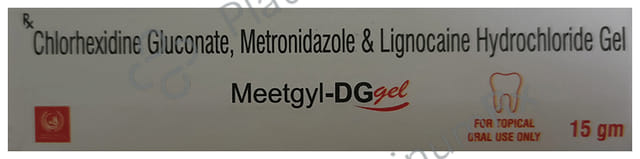
Meetgyl-DG Dental Gel

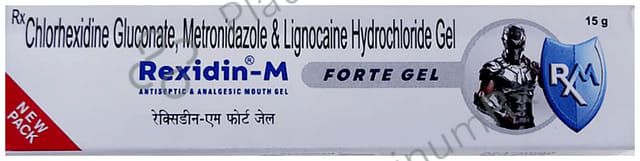
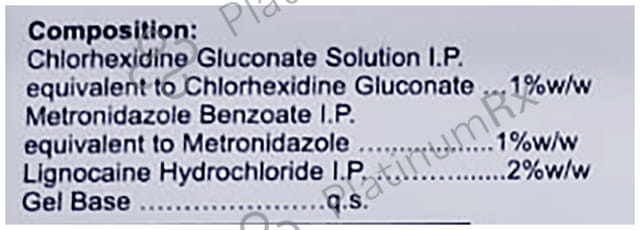
Meetgyl-DG Dental Gel is a triple-action periodontal gel containing Chlorhexidine Gluconate (an antiseptic), Lidocaine (a local anaesthetic), and Metronidazole (an antibiotic). It is used to treat painful infections of the gums and oral cavity, such as periodontitis and mouth ulcers. It works by eliminating the bacteria causing the infection while providing immediate numbing relief to the affected area.
Written by: Syed Jommy Abbas, B. Pharma
Reviewed by: Dr. Varinderjeet Kaur, MBBS
Last updated on: 16-05-2026

Delivery by
...

WHO GMP Certified
Long Expiry (>8 Months)
15 Days Easy Returns
Medicine Comparison

Genuine Medicine
Pay On Delivery
Secure Payment

LegitScript Certified Online Pharmacy


More About Meetgyl-DG Dental Gel
Quick Summary
Meetgyl-DG Dental Gel is a triple-action periodontal gel containing Chlorhexidine Gluconate (an antiseptic), Lidocaine (a local anaesthetic), and Metronidazole (an antibiotic). It is used to treat painful infections of the gums and oral cavity, such as periodontitis and mouth ulcers. It works by eliminating the bacteria causing the infection while providing immediate numbing relief to the affected area.
Detailed Description
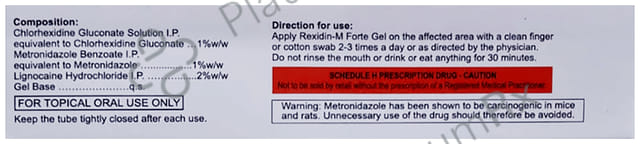
Meetgyl-DG Dental Gel is a topical periodontal formulation that combines Chlorhexidine Gluconate (Chlorhexidine Gluconate), Lidocaine (Lidocaine), and Metronidazole (Metronidazole). It is used as an adjunct in the management of inflammatory and infectious conditions of the gums, where local antimicrobial action and symptom relief are both required.
Chlorhexidine provides broad antiseptic activity by reducing bacterial load in the oral cavity. Metronidazole is effective against anaerobic bacteria commonly involved in periodontal infections, helping control infection at the local site. Lidocaine acts as a local anesthetic by blocking nerve signal transmission, providing temporary relief from pain and discomfort.
When applied topically, the formulation acts directly at the affected area, helping reduce microbial activity and improve patient comfort during oral hygiene measures. It is typically used for short-term management under dental supervision as part of a broader periodontal treatment plan, which may also include mechanical cleaning and oral hygiene practices.
The product should be used exactly as prescribed. Overuse or prolonged unsupervised application may lead to local irritation or reduced antimicrobial effectiveness.
Uses of Meetgyl-DG Dental Gel
Dentists and doctors may prescribe Meetgyl-DG Dental Gel for:
Periodontal Diseases
Treatment of painful gingivitis, periodontitis, or inflammatory gum conditions.
Pericoronitis
Infection and swelling around a partially erupted tooth, common with wisdom teeth.
Mouth Ulcers
To reduce pain and prevent secondary bacterial infection in severe aphthous sores.
Post-Dental Surgery
To prevent localised infection (such as "dry socket") and manage pain following extractions or gum surgery.
Stomatitis
Inflammation of the mucous membrane of the mouth associated with bacterial overgrowth.
Benefits of Meetgyl-DG Dental Gel
Meetgyl-DG Dental Gel provides benefits such as:
- Triple-Action Relief: Manages infection, limits bacterial growth, and numbs pain in a single application.
- Fast-Acting Anaesthesia: Lidocaine begins to soothe localised pain within minutes of application.
- Deep Antibacterial Action: Metronidazole reaches anaerobic bacteria that are often resistant to other surface treatments.
- Sustained Antiseptic Effect: Chlorhexidine binds to oral tissues, providing a "reservoir" effect that continues to work after application.
- Improved Patient Comfort: Reduces the throbbing and sensitivity often associated with acute gum infections.
- Targeted Application: The gel format allows for precise placement on the affected area, minimising systemic exposure.
Side Effects of Meetgyl-DG Dental Gel
Meetgyl-DG Dental Gel is generally well tolerated when used as an oral gel, but some localised effects are common.
Common Side Effects
- Temporary numbness of the tongue or cheeks
- Altered taste sensation (metallic or bitter taste)
- Mild, temporary stinging or burning right after application
- Temporary staining of the teeth or tongue (with prolonged use)
- Increased tartar (calculus) buildup on teeth
Uncommon Side Effects
- Dry mouth or oral irritation
- Localised swelling of the gums
- Nausea (usually only if a large amount of the gel is swallowed)
- Sensitivity of the teeth to hot or cold
Serious Side Effects
- Severe Allergic Reaction: Hives, swelling of the lips, face, or throat, or difficulty breathing.
- Mucosal Irritation: Severe peeling, blistering, or sloughing of the skin inside the mouth.
- Methemoglobinemia: A very rare condition (associated with lidocaine) causing blue/gray skin, headache, or fatigue.
Directions for Use
Always follow the specific instructions provided by your dental professional.
Oral Application
- Wash your hands thoroughly before use.
- For better results, gently pat the affected area dry with a clean cotton swab or gauze before applying the gel.
- Apply a small amount of the gel (as directed) to the affected site using a clean fingertip or an applicator.
- Crucial: Do not rinse your mouth, drink, or eat for at least 30 to 60 minutes after application to allow the medicine to stay on the tissue.
- Use for the full duration of the prescription, even if the pain stops.
How it works
Meetgyl-DG Dental Gel uses three distinct pathways to manage oral health:
- Chlorhexidine binds to bacterial cell walls and disrupts membrane integrity, increasing permeability and leading to leakage of cellular contents. This results in a reduction of the overall microbial load at the application site and helps control plaque-associated bacteria.
- Metronidazole is selectively active against anaerobic bacteria commonly involved in periodontal infections. Inside these organisms, it is converted into active compounds that interfere with bacterial DNA synthesis, leading to inhibition of bacterial growth and cell death.
- Lidocaine provides symptomatic relief by blocking voltage-gated sodium channels in nerve membranes. This prevents the generation and conduction of pain signals, resulting in temporary local analgesia at the site of application.
- Together, these actions help reduce infection, control bacterial activity, and relieve pain when the formulation is used as directed.
Safety Advice for Meetgyl-DG Dental Gel

Pregnancy
Caution
Use with caution; Metronidazole is generally avoided in the first trimester.

Breastfeeding
Caution
Both Metronidazole and Lidocaine can pass into breast milk in small amounts.

Driving
Safe
This medicine does not affect driving, though mouth numbness may be distracting.

Liver
Caution
Patients with severe liver disease should use lidocaine-containing products under medical supervision.

Kidney
Safe
Minimal systemic absorption means kidney interactions are not expected.

Alcohol
Unsafe
Metronidazole can cause an unpleasant reaction (nausea, flushing) if combined with alcohol.
Quick Tips for Meetgyl-DG Dental Gel
- To keep the medicine effective, avoid using toothpastes containing Sodium Lauryl Sulfate (SLS) immediately before or after application.
- Use a soft-bristled toothbrush during treatment to avoid further irritating the infected gum tissue.
- If you notice a "furry" feeling on your tongue or significant discolouration, a professional cleaning after treatment will resolve it.
Storage Advice
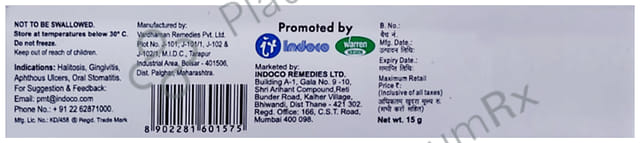
Store the tube at room temperature in a cool, dry place away from direct sunlight. Ensure the cap is tightly closed after each use. Keep the medicine out of reach of children and pets.
Drug-Food Interaction
- Alcohol (CAUTION): Avoid alcohol during treatment and for 24 hours after your last dose to prevent a "disulfiram-like" reaction (nausea/headache).
- Staining Foods (MILD): Coffee, tea, and red wine may increase the risk of temporary tooth staining while using this product.
Interactions with Other Drugs
- Warfarin (MILD): Metronidazole can slightly increase the blood-thinning effect of warfarin.
- Other Local Anaesthetics (CAUTION): Avoid using other numbing gels at the same time to prevent excessive absorption.
- Anionic Detergents (MILD): Avoid using mouthwashes with certain soaps or detergents that can deactivate Chlorhexidine.
Drug-Disease Interactions
- Blood Disorders (CAUTION): Use cautiously if you have a history of blood cell disorders (dyscrasias).
- Glaucoma (MILD): Some local anaesthetics should be used with caution, though systemic levels here are very low.
- Active Oral Fungal Infection (CAUTION): If you have oral thrush (candidiasis), this medicine may require an additional antifungal treatment.
Overdose
Swallowing the entire tube could lead to systemic effects like dizziness, nausea, or a tingling sensation. If accidental ingestion occurs, contact a healthcare professional immediately.
What If You Forget to take Meetgyl-DG Dental Gel?
If you miss a dose, apply it as soon as you remember. If it is almost time for your next dose, skip the missed one. Do not use extra gel to make up for a missed application.
FAQ
Fact Box
Therapeutic Class
Periodontal Combination Therapy
Action Class
Action Class Antiseptic + local anesthetic + antibacterial (primarily anaerobic coverage) combination
Chemical Class
Combination of antiseptic (biguanide derivative: chlorhexidine), amide local anesthetic (lidocaine/lignocaine), and nitroimidazole antibiotic (metronidazole)
Habit Forming
No
Disclaimer
PlatinumRx is committed to providing reliable and accurate information to support informed customer decisions. However, all information made available on the Platform, including product descriptions, comparisons, and other content, is provided solely for general informational purposes. Such information is not intended to diagnose, prevent, treat, or cure any medical condition, nor should it be relied upon as a substitute for professional medical advice, diagnosis, or treatment.

Customers also bought
Health Articles





More Medicines By Manufacturer
More Medicines With Salt
Top Selling Medicines
Top Selling Devices