Pilcare Cream

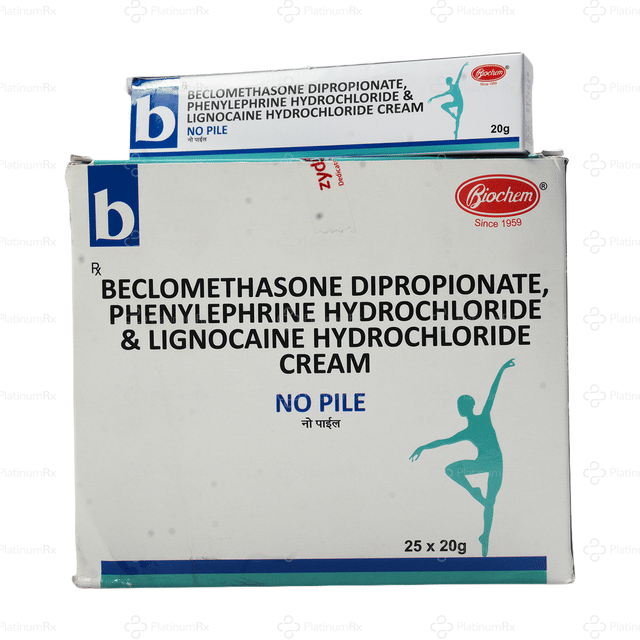
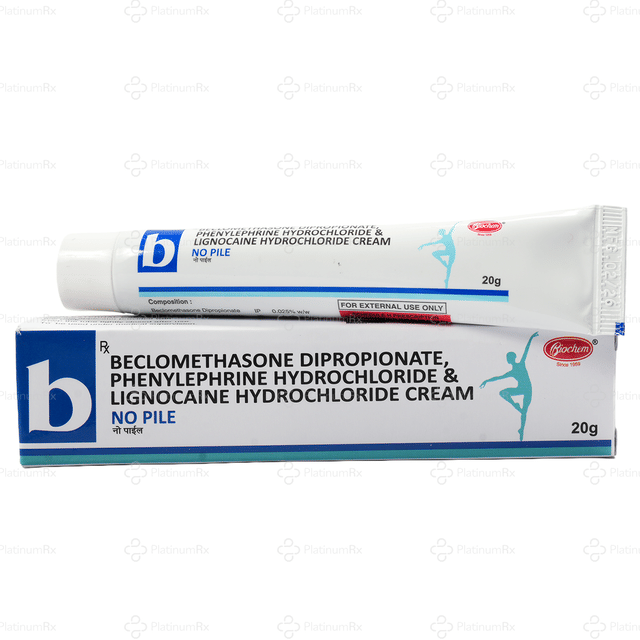
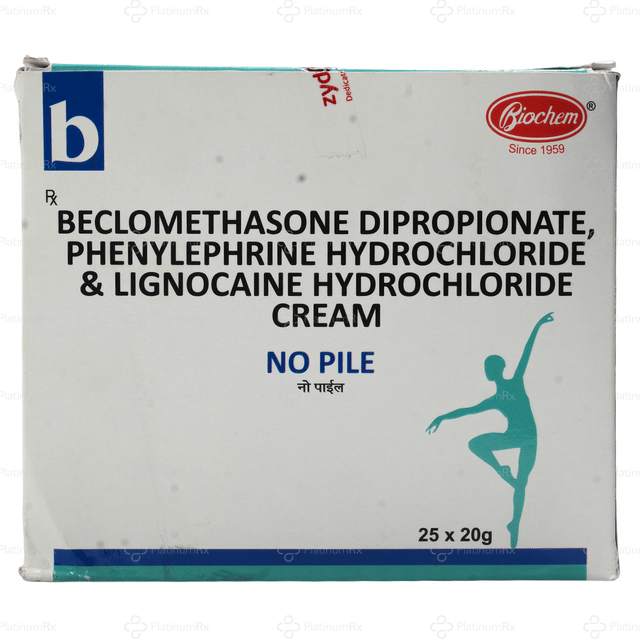
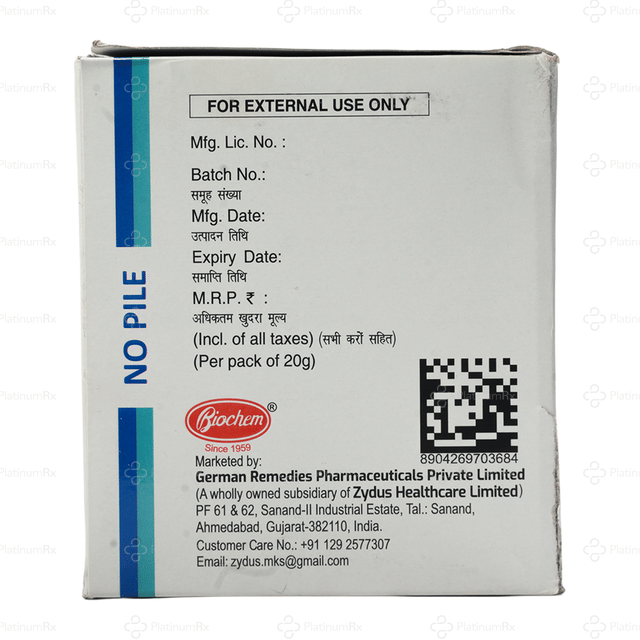
Pilcare Cream is a prescription cream used for short-term relief of symptoms caused by hemorrhoids (piles) and anal fissures, such as pain, itching, swelling, and irritation around the anal area. It contains three medicines: beclometasone to reduce inflammation, lidocaine to provide local pain relief by numbing the area, and phenylephrine to help reduce swelling by narrowing blood vessels. Pilcare Cream should be used only as directed by a doctor and for the time period they advise.

Delivery by
...

WHO GMP Certified
Long Expiry (>8 Months)
15 Days Easy Returns
Medicine Comparison

Genuine Medicine
Pay On Delivery
Secure Payment

LegitScript Certified Online Pharmacy


More About Pilcare Cream
Quick Summary
Pilcare Cream is a prescription cream used for short-term relief of symptoms caused by hemorrhoids (piles) and anal fissures, such as pain, itching, swelling, and irritation around the anal area. It contains three medicines: beclometasone to reduce inflammation, lidocaine to provide local pain relief by numbing the area, and phenylephrine to help reduce swelling by narrowing blood vessels. Pilcare Cream should be used only as directed by a doctor and for the time period they advise.
Detailed Description
Pilcare Cream is a topical cream prescribed to relieve the symptoms caused by hemorrhoids (piles) and anal fissures. These conditions often lead to pain, itching, burning, and swelling, which can make sitting or passing stools difficult. It is meant for short‑term use to help ease these symptoms and improve comfort.
This medicine contains three active ingredients that work together at the site of application. Beclometasone dipropionate is a corticosteroid that reduces inflammation, redness, and itching. Lidocaine (Lignocaine) is a local anesthetic that numbs the area by blocking nerve signals, providing quick relief from pain and burning. Phenylephrine hydrochloride is a vasoconstrictor that narrows small blood vessels, helping to reduce swelling and congestion.
This medicine is used to relieve symptoms, not to treat the underlying cause of hemorrhoids or fissures. It can, however, make discomfort more manageable during flare-ups.
It should be applied in a thin layer to the outside of the affected area after gently cleaning and drying. It should only be used as directed by a doctor. Using it for too long or too often can cause changes in the skin, such as thinning. Some people may notice mild stinging or irritation after applying it. If symptoms do not improve or get worse, medical advice is needed.
Uses of Pilcare Cream
Pilcare Cream may be indicated by your doctor for:
Hemorrhoids (Piles)
Short-term relief of symptoms like pain, swelling, itching, and irritation caused by internal or external hemorrhoids.
Anal Fissures
Relief of burning pain and discomfort caused by small tears in the lining of the anal canal.
Proctitis (supportive use)
May be used to help ease local discomfort related to inflammation of the rectal lining, as part of symptomatic management.
Benefits of Pilcare Cream
Pilcare Cream may provide benefits such as:
- Relief from pain and burning: Lidocaine (lignocaine) provides a local numbing effect that can help reduce pain and burning in the affected area.
- Reduction in swelling: Phenylephrine may help reduce swelling in hemorrhoids by narrowing small blood vessels in the area.
- Relief from inflammation and itching: Beclometasone dipropionate may help reduce local inflammation, which can ease redness, itching, and irritation.
- Improved comfort: By helping control key symptoms, it may support greater comfort during daily activities and bowel movements.
Side Effects of Pilcare Cream
Common side effects of Pilcare Cream may include:
- Burning or stinging at the application site: Mild discomfort may occur shortly after applying the cream.
- Skin irritation or redness: The treated area may become slightly irritated or appear red.
- Itching or dryness: Some people may notice temporary dryness or itching at the site of application.
Uncommon side effects of Pilcare Cream may include:
- Skin thinning with prolonged use: Long-term or excessive use of creams containing corticosteroids may cause skin thinning.
- Allergic skin reaction: Rarely, rash, swelling, or worsening irritation may occur due to sensitivity to one of the ingredients.
Serious side effects that require medical attention may include:
- Severe allergic reaction: Signs may include significant swelling, severe rash, or worsening pain after application. Stop using the medicine and seek medical help immediately.
Consult your doctor if you experience any unusual, severe, or persistent symptoms while using Pilcare Cream.
Directions for Use
- Use Pilcare Cream exactly as directed by your doctor.
- Wash your hands before and after applying Pilcare Cream.
- Clean the affected area gently with water and mild soap, then pat dry.
- Apply a thin layer of Pilcare Cream to the external anal area as directed by your doctor.
- Use it usually 2–3 times a day, or after each bowel movement if advised by your healthcare provider.
- Do not apply inside the rectum unless specifically instructed by a doctor.
- Avoid using more than the recommended amount, as it will not improve results and may increase the risk of side effects.
- Continue use only for the duration prescribed by your doctor, as it is generally intended for short-term relief.
How it works
Pilcare Cream is a combination cream that works locally on the affected area to help relieve symptoms of hemorrhoids (piles) and anal fissures.
Beclometasone dipropionate reduces inflammation in the affected skin and nearby tissue by lowering the activity of inflammatory chemicals. This helps ease redness, swelling, and itching.
Lidocaine (Lignocaine) works as a local pain reliever. It blocks pain signals in the nerves at the application site, which helps reduce burning and discomfort for a short period after application.
Phenylephrine hydrochloride helps shrink swollen blood vessels in the area. This reduces local congestion and can help decrease swelling associated with hemorrhoids.
Safety Advice for Pilcare Cream

Allergy
Unsafe
Pilcare Cream should not be used in patients with known allergy to beclometasone, lidocaine, phenylephrine, or any ingredient in the formulation. Stop use and seek medical attention if severe irritation, rash, swelling, or breathing difficulty occurs.

Breastfeeding
Caution
Systemic absorption after local application is generally low. Pilcare Cream should be used during breastfeeding only if advised by a doctor and for the shortest duration necessary.

Pregnancy
Caution
Pilcare Cream should be used during pregnancy only if clearly needed and under medical supervision. Prolonged use of topical corticosteroids should be avoided.

Driving
Safe
Pilcare Cream is not expected to affect alertness or driving ability when used as directed.

Alcohol
Limited information
No well-established interaction between alcohol and topical Pilcare Cream is known.

Liver
Safe
Significant liver-related side effects are not generally expected with short-term local use of Pilcare Cream.

Kidney
Safe
Kidney-related safety concerns are generally not expected with the recommended local use of Pilcare Cream.

Children
Caution
This medication is generally not recommended for infants or young children unless under strict specialist guidance.

Elderly patients
Caution
Older adults with fragile or sensitive skin may have a greater risk of local irritation or skin thinning with prolonged use.
Quick Tips for Pilcare Cream
- Apply only a thin layer of the cream. Using excessive amounts will not relieve your symptoms faster and may increase the risk of localized skin irritation.
- To help the cream work effectively and support your tissues' healing, maintain a high-fiber diet, drink plenty of water, and avoid straining during bowel movements.
- Avoid using tight-fitting, synthetic underwear. Loose-fitting cotton underwear helps reduce moisture buildup and friction in the inflamed area.
- Do not apply this cream to open wounds, deep ulcers, or skin areas showing signs of viral or fungal infections (such as shingles or thrush) unless specifically directed by your doctor.
- If your symptoms do not improve, or if anal bleeding worsens after 1 to 2 weeks of consistent use, consult your doctor for a follow-up assessment.
Storage Advice
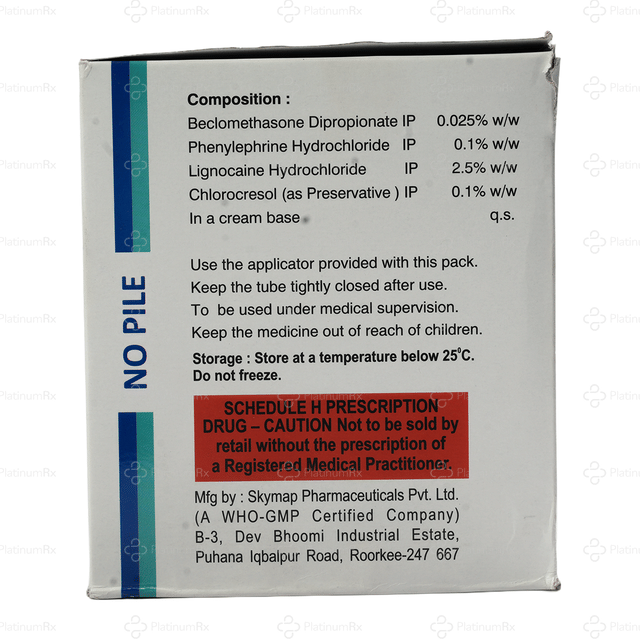
- Store Pilcare Cream at room temperature, protected from excessive heat, moisture, and direct sunlight.
- Keep the tube tightly closed after each use to prevent contamination.
- Do not freeze the medication.
- Keep out of the reach of children and pets.
- Do not use the cream after the expiry date mentioned on the packaging.
Drug-Food Interaction
- Alcohol (Caution): Excessive alcohol intake may worsen rectal irritation and delay healing in hemorrhoidal conditions.
- Spicy Foods (Caution): Spicy or heavily seasoned foods may cause irritation in some people and can worsen burning, itching, or discomfort around the anal area during active symptoms.
- High-Fiber Foods (Safe): A diet rich in fiber from fruits, vegetables, and whole grains may help soften stools and reduce straining during bowel movements, which is important in managing hemorrhoids and fissures.
- Water/Fluids (Safe): Adequate fluid intake helps maintain normal bowel function and prevents hard stools. This may reduce strain during bowel movements and help prevent worsening of symptoms.
Interactions with Other Drugs
- Topical Corticosteroids (Caution): Concurrent use may increase the risk of skin thinning and local irritation.
- Monoamine Oxidase Inhibitors (MAOIs) (Caution): May increase sensitivity to phenylephrine and raise the risk of elevated blood pressure.
- Other Rectal Preparations (Caution): Simultaneous use of multiple rectal products may increase local irritation or discomfort.
Drug-Disease Interactions
- Local Skin Infection (Caution): Corticosteroid-containing creams may worsen untreated bacterial skin infections, fungal skin infections, or viral skin infections.
- Diabetes Mellitus (Caution): Prolonged corticosteroid use may affect blood glucose control, especially with excessive application.
- Severe Rectal Bleeding (Caution): Persistent or unexplained bleeding warrants medical evaluation before continued use.
- Hypersensitivity to Local Anesthetics (Unsafe): Patients allergic to lidocaine or similar anesthetics should avoid using the medication.
- Damaged or Ulcerated Skin (Caution): Increased absorption through broken skin may raise the risk of local adverse effects.
What If You Forget to take Pilcare Cream?
If you forget to apply Pilcare Cream, apply it as soon as you remember. If it is close to the time for your next application, skip the missed dose and continue with your usual schedule. Do not apply extra cream to make up for the missed dose.
FAQ
References
Fact Box
Therapeutic Class
Anti-hemorrhoidal topical preparation
Action Class
Topical anti-inflammatory, local anesthetic, vasoconstrictor
Chemical Class
Corticosteroid + local anesthetic (amide type) + sympathomimetic amine
Habit Forming
No
Disclaimer
PlatinumRx is committed to providing reliable and accurate information to support informed customer decisions. However, all information made available on the Platform, including product descriptions, comparisons, and other content, is provided solely for general informational purposes. Such information is not intended to diagnose, prevent, treat, or cure any medical condition, nor should it be relied upon as a substitute for professional medical advice, diagnosis, or treatment.

Customers also bought






Health Articles


More Medicines By Manufacturer
More Medicines With Salt
Top Selling Medicines
Top Selling Devices