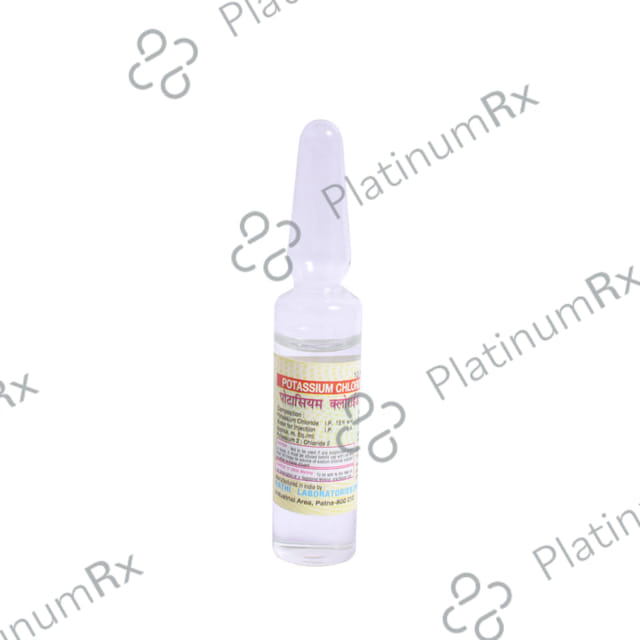
Rathi Potassium Chloride Injection 10ml

Rathi Potassium Chloride Injection is a medicine used in the treatment of potassium deficiency in the body. This supplement can relieve muscle weakness, irregular heartbeat, nausea, and vomiting. It is an essential nutrient of the body which helps in the maintenance of good health.Rathi Potassium Chloride Injection is generally administered by a doctor or a nurse. You should not self-administer this medicine at home. Take the injection regularly and for as long as the doctor has prescribed it for maximum benefits.This medicine is usually well-tolerated, however, it may cause mild injection site reactions (like pain, swelling, or redness), nausea, muscle weakness, and tingling sensation. Consult your doctor if any of the side effects persist.Breastfeeding and pregnant women should consult the doctor before receiving the treatment. Also, tell your doctor if you are on any medication for any health conditions.
Last updated on: 24-06-2025
Rathi Laboratories (Hindustan) Pvt. Ltd.

WHO GMP Certified
Long Expiry (>8 Months)
15 Days Easy Returns
General Information

Genuine Medicine
Pay On Delivery
Secure Payment

LegitScript Certified Online Pharmacy
More About Rathi Potassium Chloride Injection 10ml
Quick Summary
Rathi Potassium Chloride Injection is a medicine used in the treatment of potassium deficiency in the body. This supplement can relieve muscle weakness, irregular heartbeat, nausea, and vomiting. It is an essential nutrient of the body which helps in the maintenance of good health.Rathi Potassium Chloride Injection is generally administered by a doctor or a nurse. You should not self-administer this medicine at home. Take the injection regularly and for as long as the doctor has prescribed it for maximum benefits.This medicine is usually well-tolerated, however, it may cause mild injection site reactions (like pain, swelling, or redness), nausea, muscle weakness, and tingling sensation. Consult your doctor if any of the side effects persist.Breastfeeding and pregnant women should consult the doctor before receiving the treatment. Also, tell your doctor if you are on any medication for any health conditions.
Benefits of Rathi Potassium Chloride Injection 10ml
Potassium deficiency
In Potassium deficiency : Rathi Potassium Chloride Injection contains potassium, which is a very essential electrolyte for carrying out various life functions of our body. It has many benefits such as regulation of blood pressure, maintenance of water balance or p H balance in the body, conduction of nerve impulses and muscle contractions. It also helps in the digestion of food and maintains normal heart rhythm or heartbeat. Its deficiency can cause issues of the kidneys, nausea, weakness, irregular heartbeat, constipation, or muscle cramps. Rathi Potassium Chloride Injection helps prevent these complications and enables better carrying out of life functions.
Side Effects of Rathi Potassium Chloride Injection 10ml
Side effects of Rathi Injection The majority of side effects typically do not necessitate medical intervention. and disappear as your body adjusts to the medicine. Doctor consultation is advised if they persist or if you�re worried about them Common side effects of Rathi Injection site reactions (pain, swelling, redness)Diarrhea Nausea Vomiting Flatulence Abdominal pain Fatigue Febrile response
Directions for Use
How to use Rathi Injection Your doctor or nurse will give you this medicine. Kindly do not self administer.
How it works
How Rathi Injection works Rathi Potassium Chloride Injection works by raising potassium levels in your blood.

Alcohol
Consult your Doctor: Please consult your doctor regarding the safety of consuming alcohol with Rathi Potassium Chloride Injection . Experts have not found evidence of alcohol impairing the effectiveness of the medicine.

Pregnancy
Rathi Potassium Chloride Injection may be unsafe to use during pregnancy. Although there are limited studies in humans, animal studies have shown harmful effects on the developing baby. Your doctor will weigh the benefits and any potential risks before prescribing it to you. Doctor consultation is advised.

Breast feeding
Rathi Potassium Chloride Injection is safe to use during breastfeeding. Human studies suggest that the drug does not pass into the breastmilk in a significant amount and is not harmful to the baby.

Driving
Rathi Potassium Chloride Injection does not usually affect your ability to drive.

Kidney
Rathi Potassium Chloride Injection should be used with caution in patients with kidney disease. Dose adjustment of Rathi Potassium Chloride Injection may be needed. Doctor consultation is advised.

Liver
There is limited information available on the use of Rathi Potassium Chloride Injection in patients with liver disease. Doctor consultation is advised.
What If You Forget to take Rathi Potassium Chloride Injection 10ml?
If a dose of Rathi Potassium Chloride Injection is missed, it's advisable to consult your doctor.
Storage Advice
Store in a cool and dry place, and keep the temperature below 30�C
Quick Tips for Rathi Potassium Chloride Injection 10ml
Rathi Potassium Chloride Injection is used to prevent or treat low blood levels of potassium (hypokalemia). Inform your doctor/nurse if you feel any burning, pain, or swelling at the injection site. You may need to get your blood test done while you are taking Rathi Potassium Chloride Injection to monitor the level of potassium in your body. Let your doctor know if you have a history of kidney disease, heart problems, high blood pressure, severe dehydration, or diarrhea for a long time.
Manufacturer Address
Industrial Area Patna 800013
FAQ
Disclaimer
PlatinumRx is committed to providing reliable and accurate information to support informed customer decisions. However, all information made available on the Platform, including product descriptions, comparisons, and other content, is provided solely for general informational purposes. Such information is not intended to diagnose, prevent, treat, or cure any medical condition, nor should it be relied upon as a substitute for professional medical advice, diagnosis, or treatment.

Customers also bought



Health Articles


More Medicines By Manufacturer
Top Selling Medicines
Top Selling Devices