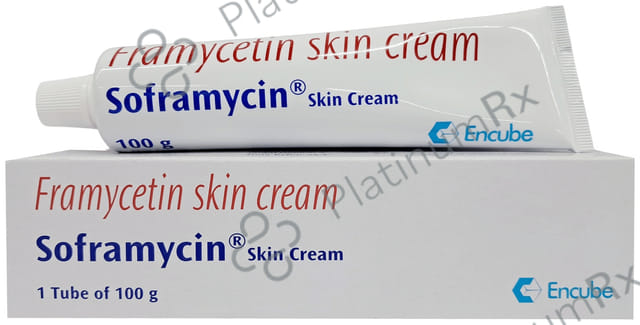
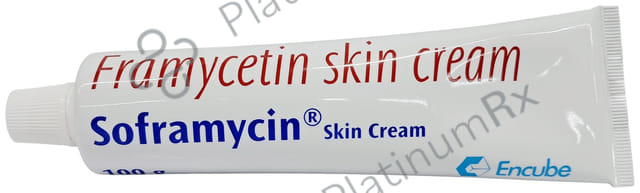
Soframycin 1% Skin Cream 100gm

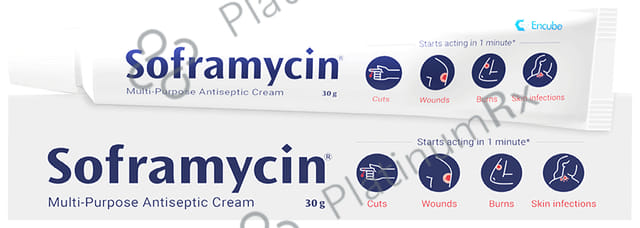
Soframycin 1% Skin Cream 100gm contains Framycetin, a topical aminoglycoside antibiotic used for the prevention and treatment of superficial bacterial skin infections. It works by inhibiting bacterial protein synthesis, thereby stopping the growth of susceptible bacteria at the site of application. Framycetin is commonly used in minor cuts, abrasions, infected wounds, burns, and superficial skin lesions where local bacterial contamination is present or likely. Because it acts locally on the skin surface, it helps control infection without significant systemic absorption when used appropriately. Always use Soframycin 1% Skin Cream 100gm exactly as directed by your doctor.







Delivery by
...
WHO GMP Certified
Long Expiry (>8 Months)
15 Days Easy Returns
Medicine Comparison

Genuine Medicine
Pay On Delivery
Secure Payment

LegitScript Certified Online Pharmacy


View content in
 English
Quick Summary
Soframycin 1% Skin Cream 100gm contains Framycetin, a topical aminoglycoside antibiotic used for the prevention and treatment of superficial bacterial skin infections. It works by inhibiting bacterial protein synthesis, thereby stopping the growth of susceptible bacteria at the site of application. Framycetin is commonly used in minor cuts, abrasions, infected wounds, burns, and superficial skin lesions where local bacterial contamination is present or likely. Because it acts locally on the skin surface, it helps control infection without significant systemic absorption when used appropriately. Always use Soframycin 1% Skin Cream 100gm exactly as directed by your doctor.
Detailed Description
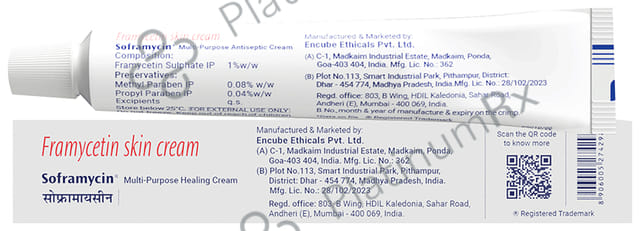
Soframycin 1% Skin Cream 100gm contains Framycetin sulphate, a broad-spectrum topical antibiotic belonging to the aminoglycoside class. It is active against a wide range of Gram-positive and Gram-negative bacteria commonly responsible for superficial skin infections.
Framycetin works locally by interfering with bacterial protein synthesis. It binds irreversibly to the 30S ribosomal subunit of susceptible bacteria, causing misreading of bacterial messenger RNA and production of defective proteins. This leads to inhibition of bacterial growth and eventual bacterial cell death in susceptible organisms.
Because of its topical route of administration, Framycetin achieves high local antibacterial activity directly at the site of infection while minimising systemic exposure. It is especially useful in minor infected skin injuries, superficial ulcers, infected eczema, abrasions, and post-procedural skin care where bacterial colonisation needs local control.
Framycetin is commonly available as cream, ointment, and occasionally in ear or nasal preparations depending on clinical indication. It should only be used externally unless prescribed otherwise and applied for the duration advised by your healthcare professional.
Although generally well tolerated, prolonged use should be avoided because repeated antibiotic exposure may increase the risk of local sensitisation or bacterial resistance.
Uses of Soframycin 1% Skin Cream 100gm
The uses of Soframycin 1% Skin Cream 100gm are as follows:
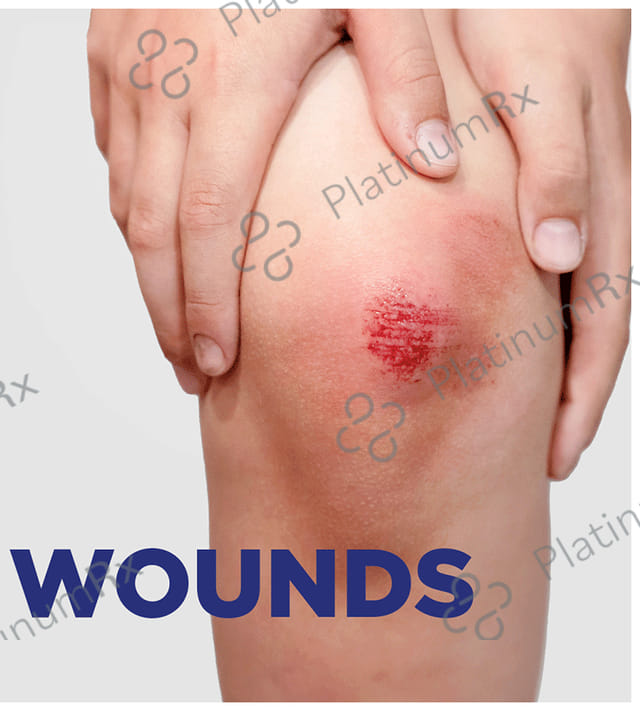
Minor Cuts and Abrasions
Helps prevent bacterial infection in superficial skin injuries.
Superficial Skin Infections
Controls local bacterial growth in minor infected lesions.
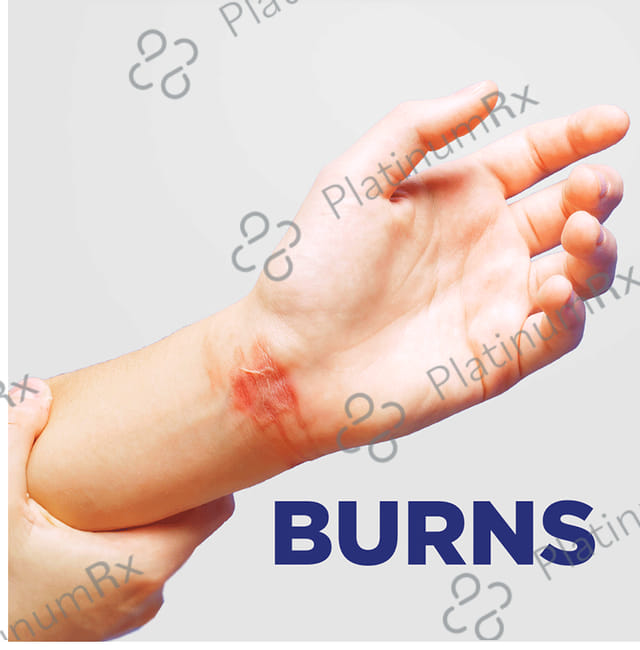
Burns
Used in selected superficial burns where bacterial contamination is present.
Infected Wounds
Helps reduce bacterial load in minor localised wounds.
Post-Procedure Skin Care
May be used after minor dermatological procedures if prescribed.
Infected Dermatitis (Selected Cases)
Used where bacterial contamination is suspected.
Benefits of Soframycin 1% Skin Cream 100gm
Here are the benefits of Soframycin 1% Skin Cream 100gm:
- Provides local antibacterial action: Acts directly at the site of application.
- Helps prevent infection spread: Controls susceptible bacterial growth in minor skin injuries.
- Supports wound hygiene: Helps maintain cleaner wound surfaces.
- Minimal systemic absorption: Primarily acts locally when used correctly.
- Useful in superficial infections: Particularly effective in local skin contamination.
- Convenient topical application: Easy local treatment without systemic antibiotic exposure.
Side Effects of Soframycin 1% Skin Cream 100gm
Like all medicines, Soframycin 1% Skin Cream 100gm may cause side effects in some individuals, although most people tolerate it well when used correctly.
Common Side Effects:
- Mild Burning or Stinging: Temporary discomfort may occur immediately after application.
- Skin Irritation: Mild redness or irritation may occur locally.
- Itching: Temporary itching may develop in sensitive individuals.
Uncommon Side Effects:
- Dryness of Skin: Repeated application may occasionally dry the treated area.
- Mild Rash: A local rash may occur in sensitive individuals.
Serious Side Effects (Require Immediate Medical Attention):
- Allergic Contact Dermatitis: Persistent redness, itching, or rash may indicate sensitivity.
- Severe Local Irritation: Worsening discomfort or swelling requires medical review.
- Resistance with Prolonged Use: Long-term use may reduce effectiveness due to resistant organisms.
Always consult your doctor if symptoms worsen or do not improve.
Directions for Use
To ensure effective use:
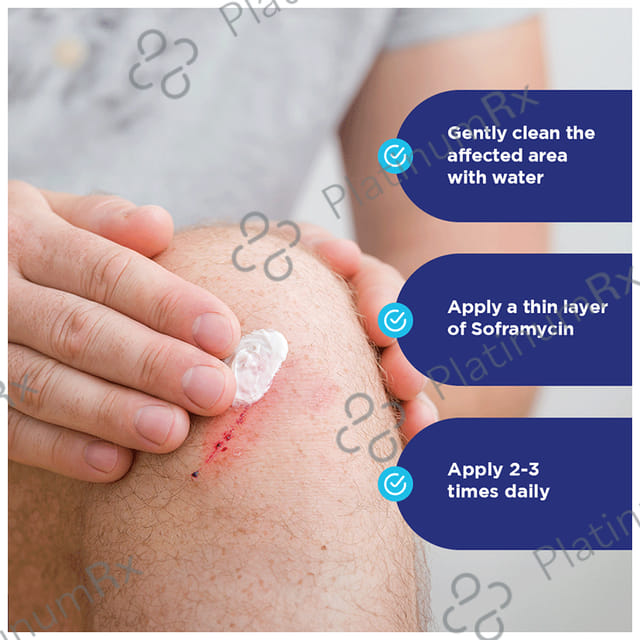
- Wash hands before and after application.
- Clean and dry the affected area before applying medicine.
- Apply a thin layer over the affected area.
- Use only externally unless prescribed otherwise.
- Avoid contact with eyes, mouth, and deep wounds unless directed by doctor.
- Do not use longer than prescribed.
How it works
Soframycin 1% Skin Cream 100gm works by exerting local antibacterial action against susceptible microorganisms.
Framycetin binds irreversibly to the 30S ribosomal subunit of bacterial cells. This interferes with bacterial protein synthesis by causing misreading of messenger RNA and production of abnormal proteins. As essential bacterial proteins fail to form correctly, bacterial growth is inhibited and susceptible organisms are eliminated.
Because the medicine acts directly on the skin surface, high local antibacterial concentration is achieved where infection control is needed.
Safety Advice for Soframycin 1% Skin Cream 100gm

Alcohol
Safe
External use is not affected by alcohol.

Pregnancy
Caution
Use only if clearly needed.

Breastfeeding
Caution
Avoid application near breast area.

Driving
Safe
Does not affect alertness.

Kidney
Caution
Prolonged extensive use on damaged skin should be avoided.
Quick Tips for Soframycin 1% Skin Cream 100gm
- Apply only a thin layer.
- Avoid prolonged repeated use without review.
- Do not share antibiotic creams.
- Keep wounds clean before application.
- Complete prescribed duration.
Storage Advice
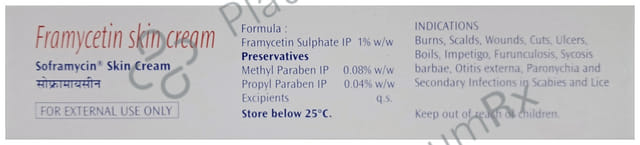
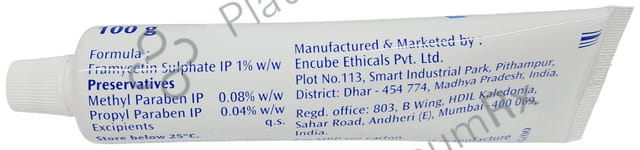
- Store below 25°C
- Keep away from direct sunlight
- Keep tube tightly closed
- Keep out of reach of children
Drug-Food Interaction
As Soframycin 1% Skin Cream 100gm is used topically, significant food interactions are unlikely. However:
- Maintain good wound hygiene: Clean the affected area regularly before application to reduce contamination and improve local antibiotic effectiveness.
- Ensure adequate hydration and balanced nutrition: Proper nutrition supports skin repair and wound healing.
- Avoid contamination of treated areas: Keeping the treated skin clean and dry helps maintain local antibacterial benefit.
Interactions with Other Drugs
Framycetin may interact with:
- Other Topical Antibiotics: Concurrent use may increase local sensitivity or unnecessary antibiotic exposure.
- Other Aminoglycoside Antibiotics: Combined exposure may increase the risk of allergic sensitisation in susceptible individuals.
- Topical Antiseptics: Strong antiseptic solutions may increase skin irritation when used together.
- Topical Corticosteroids: Combined use should be medically guided if both are required on the same lesion.
- Occlusive Dressings: Airtight dressings may increase local absorption and alter skin tolerance.
- Irritant Topical Preparations: Products containing alcohol, acids, or medicated cleansers may worsen irritation when used simultaneously.
Drug-Disease Interactions
Soframycin 1% Skin Cream 100gm should be used carefully in:
- Extensive Skin Damage: Application over large damaged areas may increase absorption and local irritation.
- Deep Wounds: Framycetin is intended for superficial use and may not be suitable for deep tissue injuries without medical supervision.
- Severe Burns: Large burn surfaces may increase absorption and require medical supervision.
- Known Aminoglycoside Allergy: Patients with previous allergy to aminoglycoside antibiotics may develop local hypersensitivity reactions.
- Chronic Kidney Disease: Prolonged use over large damaged skin areas should be avoided because aminoglycosides may accumulate if absorbed significantly.
Daily Dose
The dose depends on lesion size and severity. Usually applied 1 to 3 times daily in a thin layer unless otherwise directed by your doctor.
What If You Forget to take Soframycin 1% Skin Cream 100gm?
If you miss an application, apply it when remembered unless the next dose is due soon. Do not apply extra quantity.
FAQ
References
- https://go.drugbank.com/drugs/DB00452
- https://www.mayoclinic.org/drugs-supplements/framycetin-ophthalmic-route/description/drg-20063940
Fact Box
Therapeutic Class
Dermatology / Anti-infective
Action Class
Topical Antibiotic
Chemical Class
Aminoglycoside Antibiotic
Habit Forming
No
Disclaimer
PlatinumRx is committed to providing reliable and accurate information to support informed customer decisions. However, all information made available on the Platform, including product descriptions, comparisons, and other content, is provided solely for general informational purposes. Such information is not intended to diagnose, prevent, treat, or cure any medical condition, nor should it be relied upon as a substitute for professional medical advice, diagnosis, or treatment.

Customers also bought


Health Articles


More Medicines By Manufacturer
More Medicines With Salt
Top Selling Medicines
Top Selling Devices