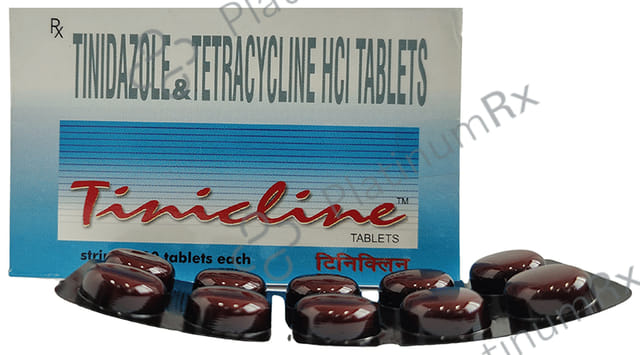
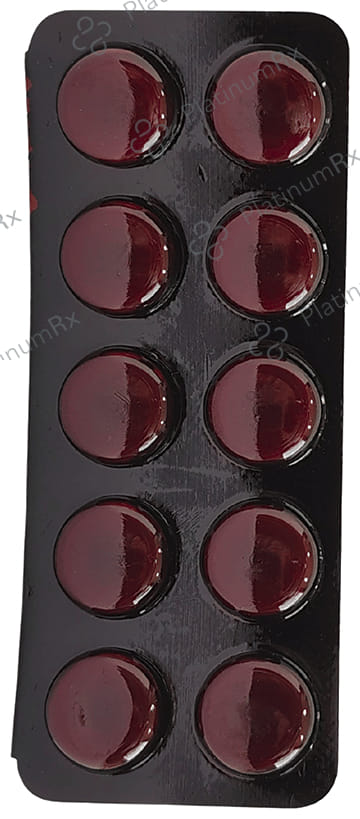
Tinicline 250 mg/300 mg Tablet

Tinicline 250 mg/300 mg Tablet is a combination medicine that is used to treat various types of bacterial infections. It prevents the growth of infection-causing microorganisms. Tinicline 250 mg/300 mg Tablet is a prescription medicine and it is advised to take it as per the doctor's advice. It can be taken with or without food, but it must be taken at a fixed time to ensure better efficacy. Do not consume more than the recommended dose, as this may have harmful effects on your body. If you miss a dose, take it as soon as you remember. The course of the treatment must be completed even if you feel better. Sudden discontinuation of the treatment may affect the potency of the medicine. Some common side effects of this medicine are nausea, vomiting, diarrhea, indigestion, etc. If any of the side effects get aggravated, you must consult your doctor immediately. If you experience any allergic reaction (rashes, itching, swelling, shortness of breath, etc.), you must seek immediate medical help. Before taking this medicine, you should tell your doctor if you are taking any medicines for any health condition. Pregnant or breastfeeding women should also consult with their doctor before taking it. Avoid drinking alcohol as it can cause excessive drowsiness with this medicine. It usually does not impair your ability to drive, but you should not drive if it makes you feel sleepy or dizzy. You must take adequate rest for a faster recovery, also take a healthy diet and drink plenty of water.

WHO GMP Certified
Long Expiry (>8 Months)
15 Days Easy Returns
General Information

Genuine Medicine
Pay On Delivery
Secure Payment

LegitScript Certified Online Pharmacy


More About Tinicline 250 mg/300 mg Tablet
Quick Summary
Tinicline 250 mg/300 mg Tablet is a combination medicine that is used to treat various types of bacterial infections. It prevents the growth of infection-causing microorganisms. Tinicline 250 mg/300 mg Tablet is a prescription medicine and it is advised to take it as per the doctor's advice. It can be taken with or without food, but it must be taken at a fixed time to ensure better efficacy. Do not consume more than the recommended dose, as this may have harmful effects on your body. If you miss a dose, take it as soon as you remember. The course of the treatment must be completed even if you feel better. Sudden discontinuation of the treatment may affect the potency of the medicine. Some common side effects of this medicine are nausea, vomiting, diarrhea, indigestion, etc. If any of the side effects get aggravated, you must consult your doctor immediately. If you experience any allergic reaction (rashes, itching, swelling, shortness of breath, etc.), you must seek immediate medical help. Before taking this medicine, you should tell your doctor if you are taking any medicines for any health condition. Pregnant or breastfeeding women should also consult with their doctor before taking it. Avoid drinking alcohol as it can cause excessive drowsiness with this medicine. It usually does not impair your ability to drive, but you should not drive if it makes you feel sleepy or dizzy. You must take adequate rest for a faster recovery, also take a healthy diet and drink plenty of water.
Benefits of Tinicline 250 mg/300 mg Tablet
Treatment of Bacterial infections
In Treatment of Bacterial infections Tinicline 250 mg/300 mg Tablet is used to treat infections caused by bacteria including pneumonia and infections of the skin, eye, stomach, urinary tract, and vagina. It works by killing and stopping the growth of bacteria causing infection. Make sure to complete the full course of treatment. This will ensure that the infection is completely cured and prevent it from returning.
Side Effects of Tinicline 250 mg/300 mg Tablet
The majority of side effects typically do not necessitate medical intervention. and disappear as your body adjusts to the medicine. Doctor consultation is advised if they persist or if you're worried about them. ['Stomach pain, Indigestion, Dizziness, Tiredness, Headache, Dryness in mouth, Metallic taste']
Directions for Use
Follow your doctor's guidance regarding the dose and duration of this medication. Ingest it without breaking or crushing. Do not chew, crush or break it. Tinicline 250 mg/300 mg Tablet can be taken it with or without food, although it's advisable to take it consistently at the same time. Avoid Tinicline 250 mg/300 mg Tablet with dairy products such as milk, cheese, curd, butter, paneer and ice cream.
How it works
Tinicline 250 mg/300 mg Tablet is a combination of two antibiotics: Tetracycline and Tinidazole. Tetracycline stops bacterial growth by preventing the synthesis of essential proteins required by bacteria to carry out vital functions. Tinidazole kills bacteria and other infectious microorganisms by damaging the DNA.

Alcohol
Unsafe: It is unsafe to consume alcohol while taking Tinicline 250 mg/300 mg Tablet , as it may lead to symptoms such as flushing, increased heart rate, nausea, thirst, chest pain, and low blood pressure, known as a Disulfiram reaction.

Pregnancy
Seek medical advice from your doctor: Tinicline 250 mg/300 mg Tablet is unsafe to use during pregnancy as there is definite evidence of risk to the developing baby. However, the doctor may rarely prescribe it in some life-threatening situations if the benefits are more than the potential risks. Doctor consultation is advised.

Breast feeding
Safe when prescribed by an expert: Tinicline 250 mg/300 mg Tablet is probably safe to use during breastfeeding. Limited human data suggests that the drug does not represent any significant risk to the baby. Use of Tinicline 250 mg/300 mg Tablet is not harmful in short-term because milk levels are low. Prolonged or repeated use may cause staining of babies dental enamel or bone deposition of Tinicline 250 mg/300 mg Tablet.

Driving
Not Safe: Tinicline 250 mg/300 mg Tablet may cause side effects which could affect your ability to drive. Tinicline 250 mg/300 mg Tablet may make you feel drowsy or gives you problems with coordination or sensation (e.g. numbness or weakness). This may affect your driving ability.

Kidney
Caution Advised: Tinicline 250 mg/300 mg Tablet should be used with caution in patients with kidney disease. Dose adjustment of Tinicline 250 mg/300 mg Tablet may be needed. Doctor consultation is advised. Use of Tinicline 250 mg/300 mg Tablet is not recommended in patients with severe kidney disease.

Liver
Safe when prescribed by an expert: Tinicline 250 mg/300 mg Tablet is probably safe to use in patients with liver disease. Limited data available suggests that dose adjustment of Tinicline 250 mg/300 mg Tablet may not be needed in these patients. Doctor consultation is advised.
What If You Forget to take Tinicline 250 mg/300 mg Tablet?
If a dose of Tinicline 250 mg/300 mg Tablet is missed, take it promptly. However, if your next dose is approaching, skip the missed dose and resume your regular schedule. Avoid doubling the dose.
Storage Advice
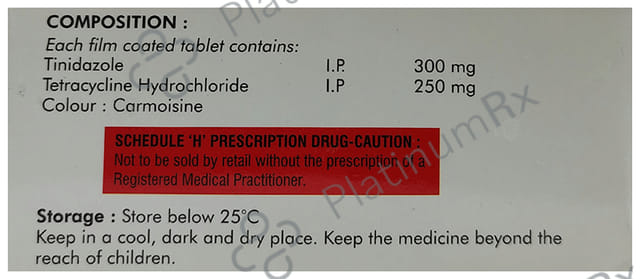
Store in a cool and dry place, and keep the temperature below 30�C
Quick Tips for Tinicline 250 mg/300 mg Tablet
Tinicline 250 mg/300 mg Tablet is used for the treatment of bacterial infections. Stick to simple meals, avoid rich or spicy food and drink plenty of water while taking this medicine. Keep sipping water or have sugar-free gum in order to relieve dryness in the mouth. Do not take antacids 2 hours before or after taking this medicine. Stop taking Tinicline 250 mg/300 mg Tablet and inform your doctor immediately if you develop an itchy rash, swelling of the face, throat, or tongue, or breathing difficulties while taking it. This medicine can reduce the effectiveness of oral typhoid vaccine. If you are due to have any vaccinations, make sure the person treating you knows that you are taking this antibiotic.
Manufacturer Address
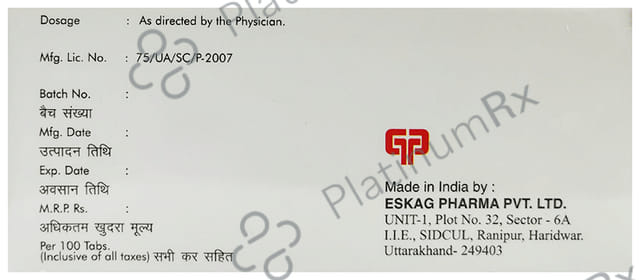
ESKAG PHARMA PVT. LTD., AG-112, SECTOR-II, SUITE NO.804 & 805, BAISHAKHI, SALT LAKE CITY, KOLKATA-700091
FAQ
Disclaimer
PlatinumRx is committed to providing reliable and accurate information to support informed customer decisions. However, all information made available on the Platform, including product descriptions, comparisons, and other content, is provided solely for general informational purposes. Such information is not intended to diagnose, prevent, treat, or cure any medical condition, nor should it be relied upon as a substitute for professional medical advice, diagnosis, or treatment.

Customers also bought

Health Articles







More Medicines By Manufacturer
More Medicines With Salt
Top Selling Medicines
Top Selling Devices